
A Gentle Reckoning With Love and Time, Where Effort Matters More Than Victory
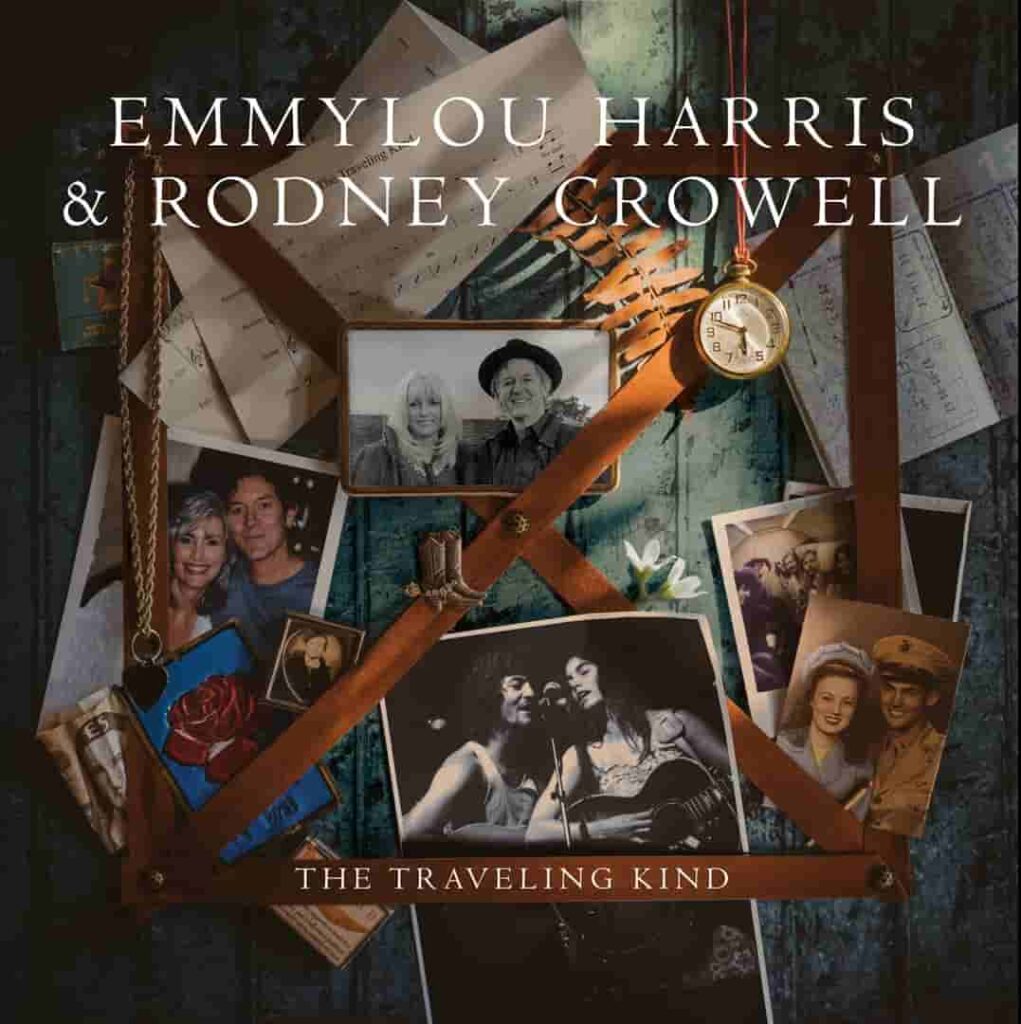
When Emmylou Harris and Rodney Crowell released “You Can’t Say We Didn’t Try” in 2015, it arrived not as a commercial statement, but as a quiet emotional testament. The song appears on their collaborative album The Traveling Kind, issued in June 2015, a record that debuted at No. 1 on Billboard’s Top Country Albums chart and reached No. 3 on the Billboard 200. Those numbers mattered, of course, but they were secondary to what the album truly represented: a mature conversation between two artists who had lived long enough to understand that some stories are not meant to end in triumph.
The Traveling Kind marked the duo’s second full collaboration, following Old Yellow Moon, which won the Grammy Award for Best Americana Album in 2014. By the time this follow-up arrived, Harris and Crowell were no longer proving chemistry. That had already been established decades earlier when Crowell had been part of Harris’s legendary Hot Band in the mid 1970s. Instead, they were exploring what it means to look back without bitterness, and to sing about endings without resentment.
“You Can’t Say We Didn’t Try” sits near the emotional core of the album. It is not a song about heartbreak in the dramatic sense. There is no accusation, no raised voice, no attempt to rewrite history. Instead, it tells the story of a relationship that has reached its natural conclusion. What makes the song resonate so deeply is its refusal to assign blame. The central idea is simple and devastatingly honest: the love did not last, but the effort was real, and that has to count for something.
Musically, the song is steeped in Americana traditions. The arrangement is restrained, almost fragile, built around acoustic textures that leave plenty of space for the voices to breathe. Emmylou Harris sings with the clarity and grace that have defined her career, her voice carrying a quiet ache that feels earned rather than performed. Rodney Crowell, by contrast, brings a conversational warmth, a tone that suggests reflection rather than regret. Together, their voices do not clash or compete. They coexist, much like the couple in the song, sharing a history even as they accept separation.
The meaning of the song extends beyond romantic relationships. It speaks to any shared journey that does not end as planned. Careers, friendships, dreams that slowly drift apart despite honest intentions. The line “you can’t say we didn’t try” becomes a form of dignity. It acknowledges failure without shame and effort without self pity. That perspective is rare in popular music, which often prefers either nostalgia soaked idealism or sharp edged disillusionment.
Within the broader context of The Traveling Kind, the song reinforces the album’s recurring themes of motion, memory, and acceptance. Many of the record’s songs deal with people on the move, physically or emotionally, carrying the weight of past choices. Harris and Crowell sound like artists who understand that life does not resolve neatly. There is wisdom in knowing when to let go, and even greater wisdom in honoring what once was without trying to resurrect it.
Critically, the album was praised for its songwriting depth and emotional restraint. Reviewers noted how Emmylou Harris and Rodney Crowell avoided the temptation to trade on nostalgia alone. Instead, they delivered songs that felt present and relevant, shaped by decades of experience but not trapped by them. “You Can’t Say We Didn’t Try” was often singled out as a standout track for precisely that reason. It does not beg for attention. It waits patiently for the listener to be ready.
For those who have lived long enough to understand that not every story ends in victory, this song feels like a quiet companion. It does not promise comfort, but it offers recognition. In its gentle melody and measured words, there is an understanding that sometimes the most honest conclusion is simply to acknowledge the effort, honor the shared road, and move forward without bitterness. That, in its own way, is a kind of grace.