
A thunderous rock opera about youthful desire, fear, and the lifelong consequences of a promise made too soon
When “Paradise by the Dashboard Light” burst onto the airwaves in 1977, it did not sound like a conventional hit single. At over eight minutes long, theatrical to the point of excess, and unapologetically dramatic, the song felt closer to a mini rock opera than a radio-friendly track. Yet that was precisely its power. Recorded by Meat Loaf and released on the landmark album Bat Out of Hell, the song went on to peak at No. 39 on the Billboard Hot 100 in the United States and later reached No. 15 on the UK Singles Chart after its 1978 reissue. More importantly, it carved out a permanent place in the emotional memory of a generation.
At the center of “Paradise by the Dashboard Light” is the extraordinary songwriting partnership between Meat Loaf and composer-lyricist Jim Steinman. Steinman’s writing was never about subtlety. He wrote in extremes—of love, lust, regret, and time itself—and Meat Loaf was the perfect vessel: a singer with a voice big enough to carry teenage dreams and middle-aged disillusionment in the same breath. This song, perhaps more than any other in their catalog, captures that full arc of human longing.
The opening half plunges the listener into the feverish urgency of young desire. Set in a car on a hot summer night, the song uses baseball imagery—most famously the real-life voice of legendary sportscaster Phil Rizzuto—to mirror the escalating tension of intimacy. Each base is called with breathless excitement, as if the fate of the world depends on what happens next. It is playful, exaggerated, even humorous, but beneath the theatrics lies something deeply recognizable: the reckless certainty of youth, when the moment feels eternal and consequences feel far away.
Then comes the pivot—the heartbeat of the song. Faced with the demand for a promise of eternal love, the narrator swears anything, says everything, just to keep the night alive. And in that instant, “Paradise by the Dashboard Light” transforms. The second half leaps forward in time, stripping away the illusion. What once felt like freedom now feels like confinement. What was passion has hardened into routine. The repeated line—“Praying for the end of time”—lands not as a joke, but as a quiet confession of regret.
This emotional whiplash is what makes the song endure. Steinman never mocks his characters; instead, he lets them speak their truth, however uncomfortable. The duet sections, performed with ferocious energy, feel less like a conversation and more like an argument with memory itself. By the end, the listener realizes that the song is not really about sex, or even romance—it is about time, and how mercilessly it reveals the cost of our youthful promises.
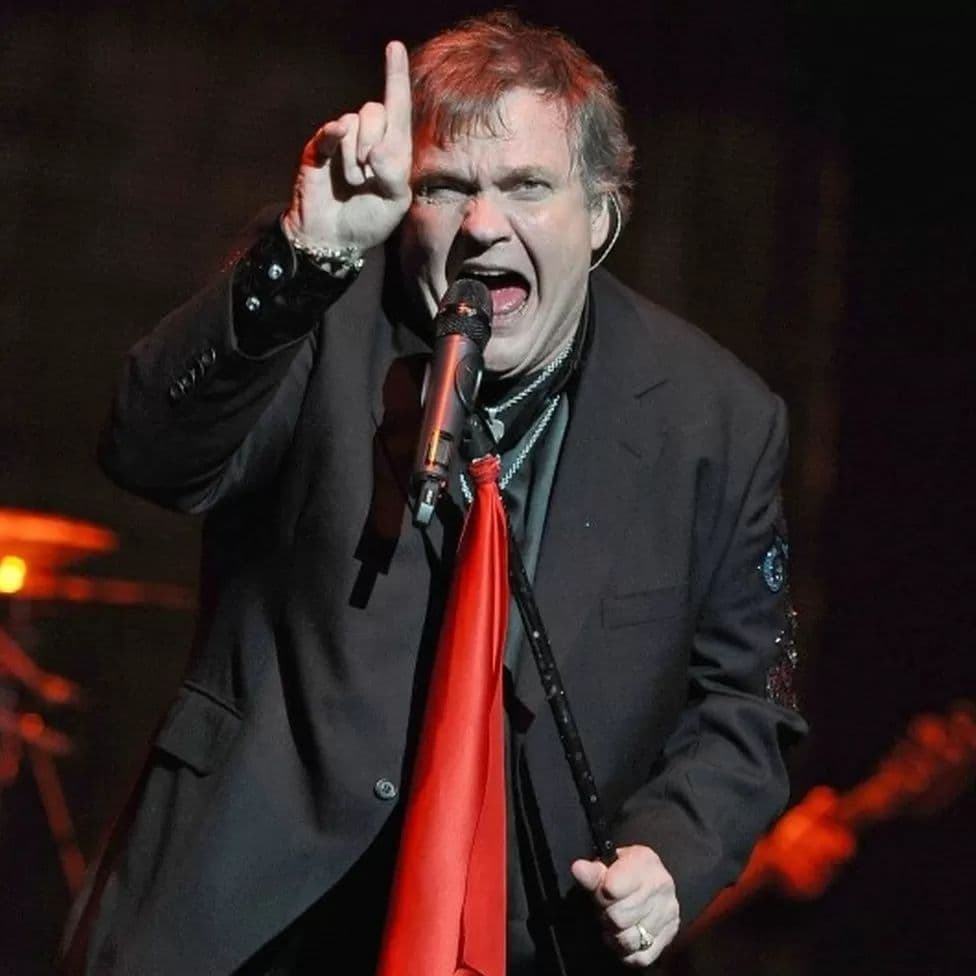
Upon release, Bat Out of Hell was slow to catch fire, but once it did, it became one of the best-selling albums of all time. “Paradise by the Dashboard Light” played a crucial role in that success, becoming a staple of classic rock radio and an unforgettable moment in Meat Loaf’s live performances. On stage, the song often stretched even longer, turning concerts into communal storytelling sessions where audiences sang not just along, but into their own pasts.
Decades later, the song still resonates—perhaps even more deeply. With age comes perspective, and with perspective comes recognition. Many listeners no longer hear the song as a wild teenage fantasy, but as a cautionary tale wrapped in melody and bombast. It reminds us how easy it is to confuse intensity with permanence, and how quietly time rewrites the meaning of our most passionate vows.
In the end, “Paradise by the Dashboard Light” endures because it tells the truth—loudly, dramatically, and without apology. It understands that nostalgia is never simple, that memories glow brightest where joy and regret meet. And for those who have lived long enough to feel both, the song does not judge. It simply remembers with you.