
A Dark Smile Beneath the Lullaby, Where Humor and Heartache Walk Side by Side
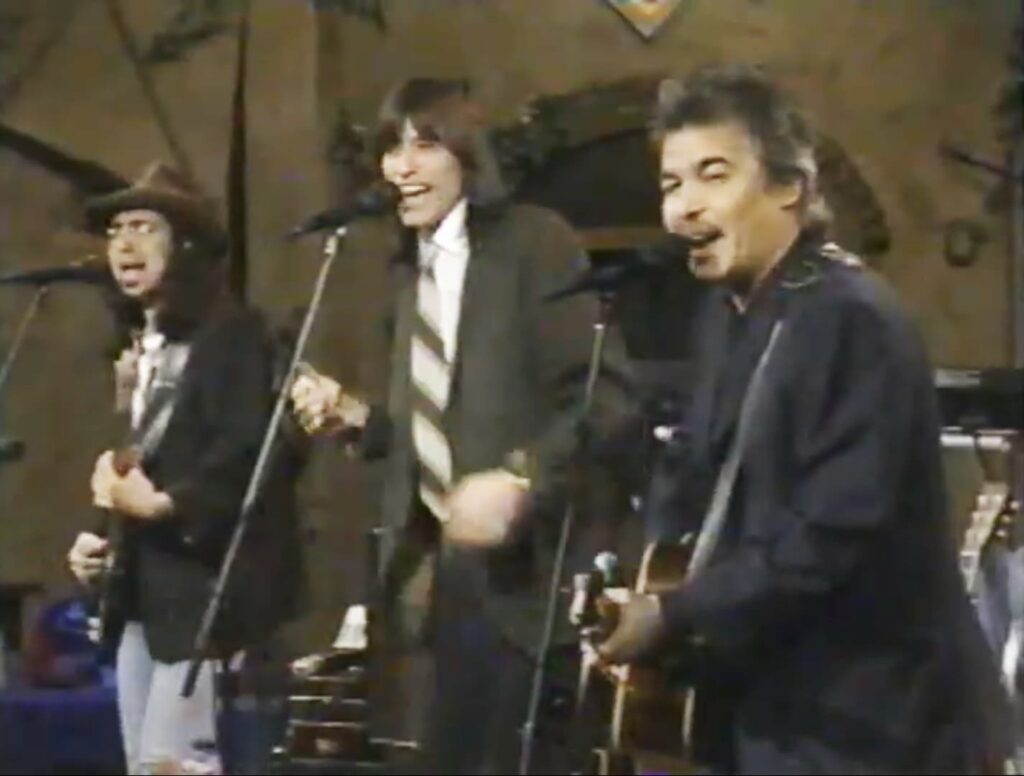
In a lesser-known but striking performance, John Prine delivers Daddy’s Little Pumpkin with the kind of understated wit that became his signature. At first glance, the song feels almost playful, carried by a loose melody and casual phrasing. But beneath that surface lies something more complex, a portrait of flawed lives told with both humor and quiet unease.
From the opening lines, Prine sets a tone that feels deceptively light. The repeated phrase “daddy’s little pumpkin” suggests affection, even innocence. Yet as the verses unfold, that innocence begins to shift. Images of restless nights, impulsive decisions, and drifting choices emerge, creating a subtle tension between what is said and what is implied.
Prine’s vocal delivery is key to this balance. He does not emphasize the darker elements. Instead, he sings them with the same relaxed cadence as the lighter lines, allowing the listener to discover the contrast gradually. This approach, often found throughout his work, reflects his ability to present difficult truths without forcing them into the spotlight.
The narrative itself moves through fragments rather than a single linear story. A trip to Memphis, a hint of trouble, a passing reference to jail. These moments feel less like plot points and more like glimpses into a life that rarely stands still. Prine leaves space between them, trusting the listener to connect what is left unsaid.
Musically, the arrangement remains simple and grounded. The guitar carries the rhythm without distraction, reinforcing the conversational tone of the performance. There is no attempt to dramatize the story through instrumentation. The weight of the song rests entirely on the words and the way they are delivered.
What makes “Daddy’s Little Pumpkin” memorable is this quiet contradiction. It is a song that can make a listener smile, even as it reveals something uneasy beneath. That duality has always been central to Prine’s writing, his ability to find humor in hardship without diminishing either.
As the performance ends, there is no clear resolution, only a lingering impression. In that space, John Prine reminds us that some stories are not meant to be explained fully. They are meant to be felt, somewhere between laughter and reflection, where life often settles.