
Nashville Rejected Dwight Yoakam for Sounding Too Old-Fashioned. Years Later, He Helped Bring Traditional Country Back to Millions
One of the most fascinating stories in country music is not about a singer chasing trends and finding success. It is about an artist refusing to follow the crowd, getting rejected because of it, and eventually changing the direction of the genre itself.
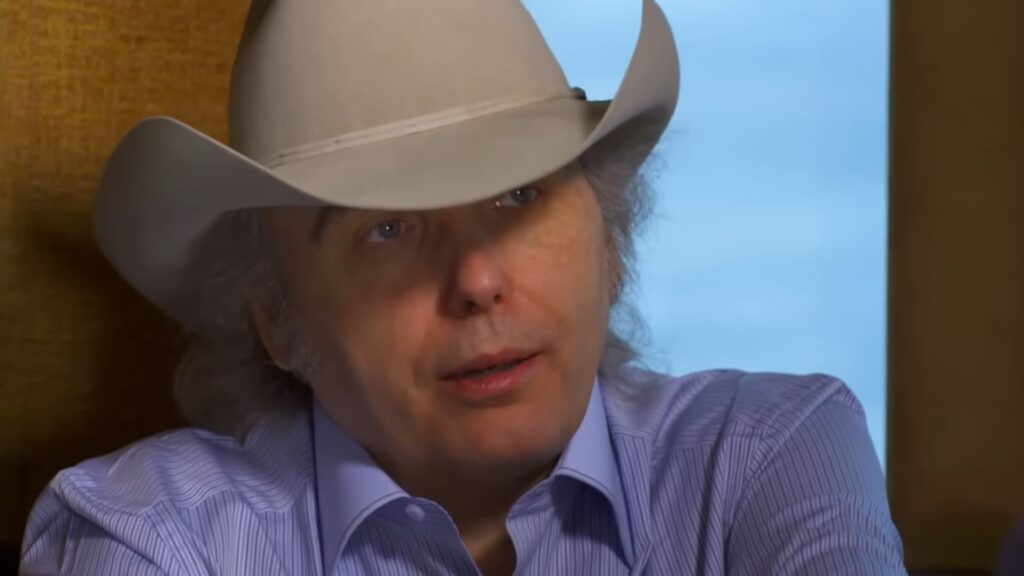
That is the story Dwight Yoakam shared during his conversation with veteran journalist Dan Rather.
Looking back on the early years of his career, Yoakam revealed a surprising truth. When he arrived in Nashville in the mid-1970s, the city that supposedly represented country music had little interest in what he was doing. The reason was not that he was too modern or too experimental. If anything, he was the opposite.
At a time when much of commercial country music was embracing the polished influence of the Urban Cowboy era, Yoakam was obsessed with the sounds of an earlier generation. He loved classic honky-tonk, rockabilly, and the music of artists such as Buck Owens and Lefty Frizzell. The songs that inspired him were already thirty or forty years old. To many industry insiders, that made him seem out of step with the times.
The irony is impossible to ignore today. The man who would later become one of the most important defenders of traditional country music was initially dismissed because his music sounded too traditional.
Yoakam spoke candidly about those difficult years. He admitted that he was fired from clubs on numerous occasions because venue owners expected contemporary country hits. Instead, they got a young musician determined to perform the music he loved. It was a risky choice, and often an expensive one. Yet he never abandoned it.
What makes the story even more remarkable is where his breakthrough actually happened.
Many people assume every major country star emerged from Nashville. Yoakam’s career followed a completely different path. Rather than finding support in Tennessee, he built his audience in the rock clubs of Southern California. Night after night, he played multiple sets, often in rough venues where fights could break out and beer bottles occasionally flew through the air. It was hardly the environment most people would associate with the future of traditional country music.
Yet those California audiences gave him something Nashville did not: a chance.
The success of “Guitars, Cadillacs, Etc., Etc.” eventually proved that Yoakam and producer Pete Anderson had been right all along. They believed there was a large audience waiting for authentic country music. Once given the opportunity, that belief was rewarded beyond anything they had imagined. The album became a landmark release and helped launch one of the most influential careers in modern country history.
Perhaps the most revealing moment of the interview came when Yoakam reflected on his teenage years. He spoke about his high school band, “Dwight and the Greasers,” and the excitement he felt performing at sixteen years old. When Dan Rather suggested that he still seemed to be chasing that same feeling, Yoakam agreed.
For him, the goal has never been fame, awards, or commercial success. It has been the pursuit of that original spark: the nervous anticipation before stepping on stage, the reckless enthusiasm of youth, and the pure joy of connecting with an audience.
His description of standing behind a theater curtain waiting to perform is especially memorable. Hearing the crowd shifting in their seats while trying to remember every line, he said, was one of the most frightening sounds imaginable. Yet it was also addictive. Decades later, that feeling continued to drive him.
The interview also offers a glimpse into Yoakam’s willingness to keep evolving. He credits an important collaboration with Beck for helping him rediscover a sense of creative freedom. Encouraged to trust his instincts rather than overthink every decision, Yoakam found himself reconnecting with the fearless teenager who first fell in love with music.
Today, country music historians continue to debate Yoakam’s place in the genre’s evolution. Some argue he arrived at exactly the right moment. Others believe he played a crucial role in paving the way for the neotraditional movement that would later elevate artists such as Randy Travis, Marty Stuart, Alan Jackson, and Clint Black.
Whatever side of that debate one takes, the larger lesson remains the same.
Nashville once rejected Dwight Yoakam because he sounded too much like country music’s past.
A few years later, that same sound helped shape its future.