
The Quiet Harmony That Helped Shape Rock and Roll’s First Golden Age
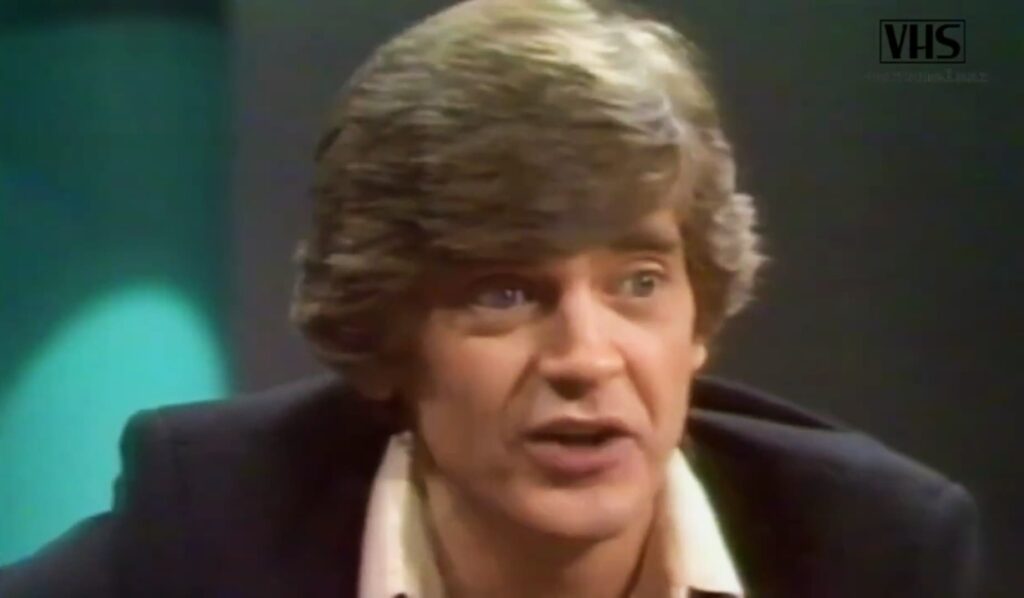
In 1982, Phil Everly, one half of the legendary The Everly Brothers, sat down for a rare and reflective interview in the Netherlands. By then, the height of their fame had passed, but the influence of their music had only grown stronger. For those who had lived through the early days of rock and roll, Phil’s voice was instantly recognizable. It was the high, angelic harmony that gave songs like “Bye Bye Love” and “All I Have to Do Is Dream” their timeless ache. In this conversation, he did not speak like a legend. He spoke like a man looking back on a life that had unfolded almost too quickly to fully grasp.
Phil described his role with a kind of humble honesty that feels rare today. He was the harmony singer, the higher voice that floated above his brother Don Everly’s steady lead. As a child, that voice came naturally. He could reach notes that even he would later admit seemed almost impossible in hindsight. Listening to him reflect, there is a quiet sense of wonder, as though he himself could hardly believe where that voice had taken him.
Their music, he explained, was never meant to be hard or aggressive. It came from somewhere older, rooted deeply in the traditions of country and western. Growing up in Kentucky, the brothers were surrounded by melody first, rhythm second. That foundation shaped everything they later brought into rock and roll. While others chased volume and rebellion, the Everly Brothers carried something softer into the new sound. Their harmonies were not just technical. They were familial, shaped by years of singing side by side before they were even teenagers.
They began performing on live radio when Phil was just six years old and Don was eight. By the time most artists are still finding their voice, the Everlys had already spent over a decade refining theirs. That kind of upbringing does something profound. It creates an instinct, a musical shorthand that cannot be taught. Phil recalled how he would often glance at Don during performances, waiting for the cue to come in. It was a silent communication built on trust, one that rarely failed them.
Even when speaking about their eventual split, Phil remained reserved. He called it a family matter, something not meant for public dissection. Yet beneath that restraint, there was a quiet admission. He missed the music. Not the fame, not the pressure, but the simple joy of singing together. That, more than anything, defined their legacy.
Artists like The Beatles would later draw directly from the Everly Brothers’ vocal style, echoing those close harmonies in their own early recordings. But influence is only part of the story. What Phil Everly carried, even decades later, was something more personal. A memory of two brothers, standing close to one microphone, listening to each other, and finding a sound that would outlive them both.