
The Night a Songwriter Refused to Be Ignored and Changed Country Music Forever
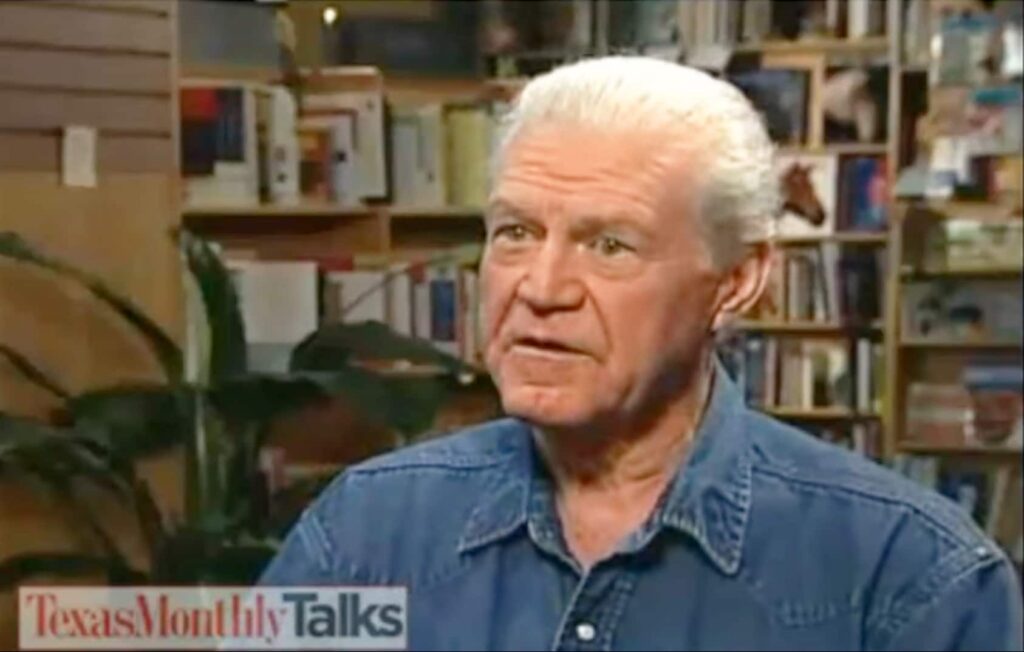
In a 2009 interview, Billy Joe Shaver looked back on the moment that would forever tie his name to Waylon Jennings, and in doing so, reshape the sound and spirit of country music. By then, the story had become part of legend, but hearing it in Shaver’s own words reveals something deeper. Not just a turning point in a career, but a moment of raw conviction from a man who had nothing left to lose and everything to prove.
Long before recognition came, Billy Joe Shaver was writing songs in the quiet, often unseen corners of life. He described songwriting as something delicate, something you polish like a diamond. Sometimes a song comes in minutes. Other times, it lives inside you for years before finding its way out. That patience, that belief in his own work, sustained him even when no one was listening.
When he finally confronted Waylon Jennings at RCA Studios, it was not with humility, but with urgency. Shaver did not ask politely. He demanded to be heard. There is something almost reckless in the way he tells it, standing in a hallway filled with industry figures, refusing money, refusing to be dismissed. What he wanted was simple. Not fame. Not approval. Just for someone to listen.
And when Jennings did listen, everything changed.
Songs like “Ain’t No God in Mexico” and “Honky Tonk Heroes” carried a rawness that Nashville was not ready for. Even Chet Atkins, one of the most respected figures in the industry, initially dismissed them as too rough, too unpolished. But Jennings heard something else. He heard truth. And in a bold move, he chose to record those songs with his own band, breaking from the tightly controlled Nashville system.
That decision became a cornerstone of what would later be known as the outlaw country movement. It was not just about sound. It was about freedom. About artists reclaiming their voice.
For Shaver, success came suddenly after years of silence. But his story did not become easier. He spoke openly about struggles with addiction, personal loss, and the weight of a life lived hard. Yet through it all, one thing remained constant. He kept writing. Because for him, songwriting was not just a profession. It was survival.
Listening to him reflect, there is no sense of bitterness. Only honesty. He knew what he had created, even before the world caught up. And perhaps that is the most striking part of his story.
Sometimes, the songs that change everything begin with one person refusing to walk away unheard.