
A Quiet Farewell and the Subtle Brilliance of Don’t Think Twice, It’s All Right
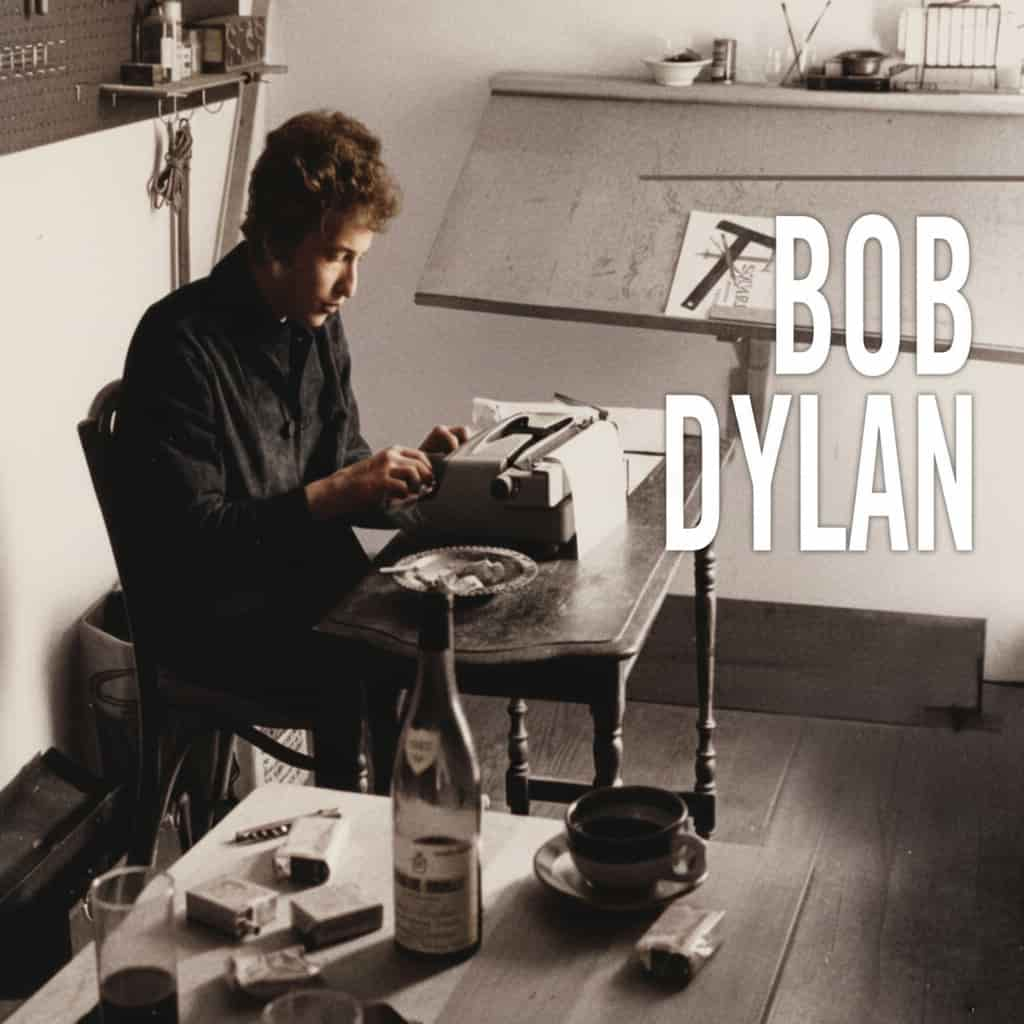
“Don’t Think Twice, It’s All Right” occupies a singular place in the story of 20th-century songcraft a deceptively simple melody paired with words that, on the surface, speak of acceptance but, in truth, reveal layers of resignation, rueful reflection, and unspoken heartache. Released in 1963 as part of Bob Dylan’s landmark album The Freewheelin’ Bob Dylan, and as the B-side to the single “Blowin’ in the Wind,” this song emerged at a moment when Dylan was already reshaping the idiom of contemporary folk music with his intimate, confessional voice and poetic candor.
When the album was issued, the world was still catching up to Dylan’s voice a young singer with a rougher timbre than many of his contemporaries. Yet, on The Freewheelin’ Bob Dylan, songs like “Don’t Think Twice” revealed a songwriter of unusual depth, capable of transforming personal disquiet into a universal reflection on loss, change, and self-preservation. Many of Dylan’s compositions from this period were quickly adopted and popularized by other artists, and this song was no exception. The folk trio Peter, Paul and Mary released their version as a single later in 1963, and their rendition climbed to number nine on the Billboard Hot 100 chart and reached number two on the Adult Contemporary chart, bringing the song to a broader audience and cementing its place in the popular imagination.
Dylan wrote “Don’t Think Twice, It’s All Right” in 1962, inspired in part by the complex emotions surrounding his relationship with Suze Rotolo, who had chosen to extend her stay in Italy. The resulting separation left an imprint on Dylan’s creative sensibility, and although the song never dwells on bitterness alone, it carries an undercurrent of wistful regret beneath its outwardly casual phrasing. The opening lines “It ain’t no use to sit and wonder why, babe / It don’t matter anyhow” suggest a cool detachment, yet as the song unfolds, the narrator’s inner conflict becomes more evident. He insists that it’s “alright” to part ways, but admits, just as softly, that he once loved deeply and that the echoes of that love linger in memory.
Musically, the song draws from the rich tradition of American folk: its melody was adapted from a tune Dylan learned from fellow folk musician Paul Clayton, and even some phrases in the lyrics trace back to older songs in the folk canon. In this sense, Dylan both honors the lineage of folk music and reconfigures it for his own expressive means. The effect is a song that feels timeless the kind of music that seems to exist in the shared musical consciousness, as if it had always been known, even before it was penned.
What makes “Don’t Think Twice, It’s All Right” enduring especially for listeners who have lived through the intimacies and losses of long life is its emotional honesty. It never succumbs to melodrama. Instead, it captures that peculiar phase of parting when one is trying to convince both the other person and oneself that the ending is gentle, necessary, or even benign. Lines like “You just kinda wasted my precious time” are delivered not with rage but with a weary acceptance that reflects a mature understanding of love’s paradoxes.
For older listeners, this song often resonates not merely as a breakup ballad but as a contemplation on the relationships that shape us those connections that, whether brief or prolonged, leave traces of joy, sorrow, and hard-won wisdom. It invites reflection on all the ways we carry the past with us, even when we stride purposefully down “that long, lonesome road.” And like all truly great songs, it offers not answers but companionship: a quiet acknowledgment that some farewells, no matter how tenderly phrased, linger in the heart far longer than we intend.
In its elegant simplicity, “Don’t Think Twice, It’s All Right” stands as more than a song about departure. It is a meditation on the art of letting go, on the paradox of holding on while moving forward, and on the ways in which music can give voice to the things we feel but rarely say. Through Dylan’s words and voice, listeners find a companion for many kinds of endings and perhaps, a gentle reminder that in the tapestry of memory, some threads endure because they taught us how to feel deeply and live with what remains.
 Oldies Songs