
A Bright Anthem of Self-Worth: “Yesterday Man” and the Quiet Confidence of Letting Go
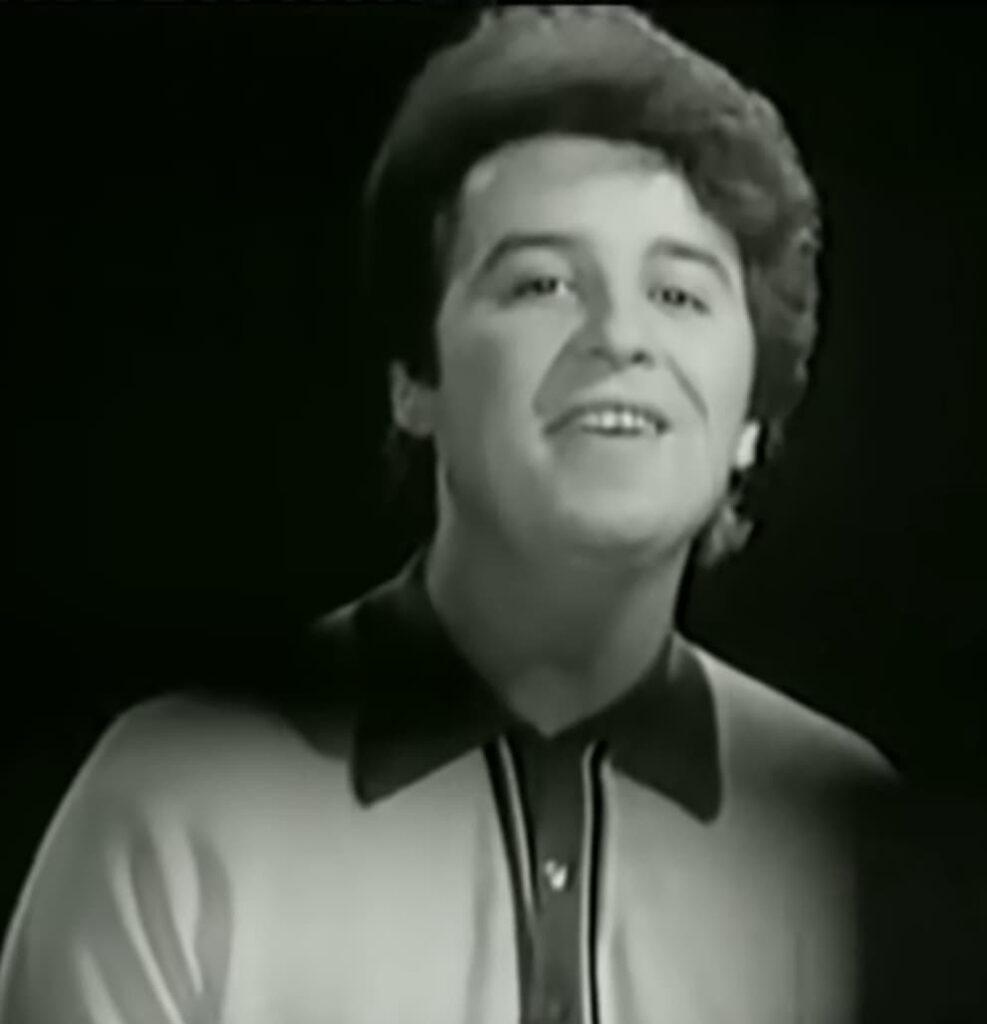
When “Yesterday Man” by Chris Andrews arrived in the autumn of 1965, it carried a light, confident sound that perfectly matched the spirit of mid-sixties pop. Released as a single and later included on Andrews’ album “Yesterday Man” (1966), the song quickly proved that its title was ironic: far from being a relic of the past, it became one of the most memorable British pop hits of its era. The record climbed to No. 3 on the UK Singles Chart in October 1965 and reached No. 1 in Ireland, while also finding enthusiastic audiences across Europe. For a songwriter who had already been quietly shaping the sound of the decade behind the scenes, the success of “Yesterday Man” felt like a long-overdue moment in the spotlight.
By the time Chris Andrews recorded the song, he was already respected in the industry as a songwriter. He had written several hits for Sandie Shaw, including the chart-topping “Long Live Love” and “Girl Don’t Come.” Andrews possessed a rare instinct for melodic simplicity—songs that sounded effortless but lingered in the memory long after the radio faded out. “Yesterday Man” showcased that gift perfectly: a brisk tempo, bright brass accents, and a melody that moved with an almost conversational ease.
Yet beneath its cheerful rhythm lies a quietly thoughtful message. “Yesterday Man” tells the story of someone who refuses to remain trapped in the shadow of a failed relationship. Rather than dwelling on heartbreak, the narrator embraces a sense of personal dignity. The woman who once rejected him may now be looking back with regret—but he has already moved forward. The phrase “yesterday man” becomes a badge of independence rather than defeat. It suggests that sometimes the healthiest response to disappointment is to leave the past exactly where it belongs.
That perspective was somewhat unusual for pop songs of the time. Many mid-1960s hits leaned heavily on heartbreak and longing. “Yesterday Man,” by contrast, radiates emotional self-assurance. The protagonist does not beg or brood; he simply walks away. The result is a song that feels uplifting rather than bitter, a small but refreshing twist in the storytelling tradition of love songs.
Musically, the track reflects the polished craftsmanship of the British pop scene during the period often called the British Invasion era. Although bands like The Beatles and The Rolling Stones dominated international headlines, artists such as Chris Andrews contributed their own distinctive flavor to the musical landscape. “Yesterday Man” blends upbeat pop structure with hints of brass-driven arrangement that give it a slightly theatrical flair. The rhythm is brisk and buoyant, and Andrews’ vocal delivery carries a friendly, almost conversational charm.
Part of the song’s appeal lies in its balance between sophistication and accessibility. The arrangement feels carefully constructed, yet the melody remains simple enough to hum after a single listen. Radio listeners in 1965 responded instantly. Within weeks of its release, the single was climbing the charts, eventually becoming Andrews’ most recognizable hit as a performer.
There is also an interesting irony surrounding the song’s title. Although it speaks of someone being left behind, “Yesterday Man” itself has never quite faded into yesterday. Over the decades, the song has continued to appear on compilations of classic 1960s British pop, reminding listeners of a time when the airwaves were filled with bright melodies and optimistic rhythms. Its cheerful sound captures the feeling of a decade discovering its cultural confidence.
Looking back today, “Yesterday Man” stands as a snapshot of that hopeful moment in pop history. It is not a dramatic ballad or a revolutionary rock anthem. Instead, it succeeds through sincerity, wit, and melodic grace. The song reminds us that dignity can be found even in the quiet act of moving on.
And perhaps that is why the record still resonates. In just a few minutes of music, Chris Andrews captured a universal truth: yesterday’s disappointments need not define tomorrow. Sometimes the most powerful statement is simply the decision to keep walking forward—with a melody in your step and the past gently fading behind you.