
A Dark Folk Ballad That Echoes the Restless Soul of the American Wanderer
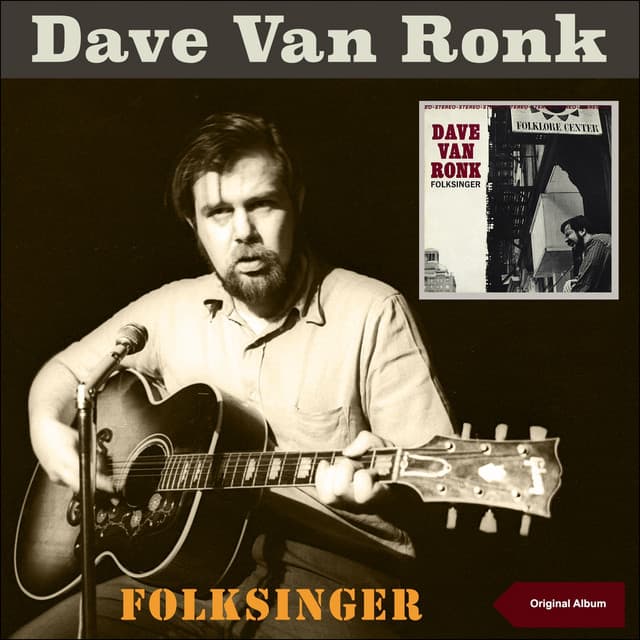
Few recordings capture the raw, weathered spirit of the American folk revival quite like “Hang Me, Oh Hang Me” performed by Dave Van Ronk. The song appeared on his influential 1963 album Folksinger, a record that helped cement Van Ronk’s reputation as one of the most respected figures in the Greenwich Village folk scene. Though the song itself is much older than the recording, Van Ronk’s interpretation gave it a powerful new life during the early 1960s, a time when traditional American ballads were being rediscovered by a new generation of listeners.
At first hearing, “Hang Me, Oh Hang Me” feels deceptively simple. The melody is sparse, the lyrics repetitive, almost like a chant carried through generations. Yet beneath that simplicity lies a haunting story. The narrator is a wandering man who seems to accept his fate at the gallows. What troubles him is not the hanging itself, but the thought of “laying in the grave so long.” That line alone carries the weight of centuries of folk storytelling, where death is not merely an ending but a lingering presence.
In the hands of Dave Van Ronk, the song takes on a deeper gravity. His voice was never polished or delicate. It was rough, smoky, and deeply human. When he sang, it sounded as if the streets of old New York and the dusty roads of the American South were meeting somewhere in the middle. Van Ronk did not treat the song as a theatrical performance. Instead, he delivered it like an old tale passed quietly from one traveler to another beside a campfire.
The lyrics themselves paint the portrait of a restless drifter. The singer claims he has been “all around this world,” wandering through places like Cape Girardeau and Arkansas. These references are typical of old American folk ballads, where geography becomes part of the story’s emotional landscape. Each place name hints at miles traveled, hardships endured, and a life lived far from comfort or stability.
There is also a striking tension in the song between resignation and defiance. The narrator accepts that he will be executed, yet he recounts standing on a mountain with a rifle on his shoulder and a dagger in his hand. It suggests a man who once fought fiercely for survival but now faces his fate with a strange calm. That contrast gives the song its emotional depth. It is not simply a tale of punishment. It is the story of a life spent wandering, struggling, and finally reaching an unavoidable end.
When Folksinger was released, the folk revival was already gaining momentum. Artists like Bob Dylan, Joan Baez, and many others were drawing inspiration from traditional songs just like this one. Dave Van Ronk played a crucial role behind the scenes of that movement. He was often called the “Mayor of MacDougal Street,” a mentor and guide to younger musicians who gathered in Greenwich Village coffeehouses.
Over the years, “Hang Me, Oh Hang Me” would travel far beyond its folk roots. New generations discovered the song through later interpretations, including its memorable appearance in the film Inside Llewyn Davis. Yet for many listeners, the version that still carries the deepest authenticity is the one sung by Dave Van Ronk.
Listening to the recording today feels like opening a time capsule from the early 1960s folk revival. But the emotions within the song are far older. They belong to a long tradition of American storytelling where wandering men, lonely roads, and hard destinies shaped the music.
And when Van Ronk sings the closing lines, repeating that weary refrain about having “been all around this world,” it sounds less like a boast and more like a quiet confession from a man who has seen too much of life’s long road.