
🌹 The Enduring Longing for a Simple, True Love in the Heart of Appalachia
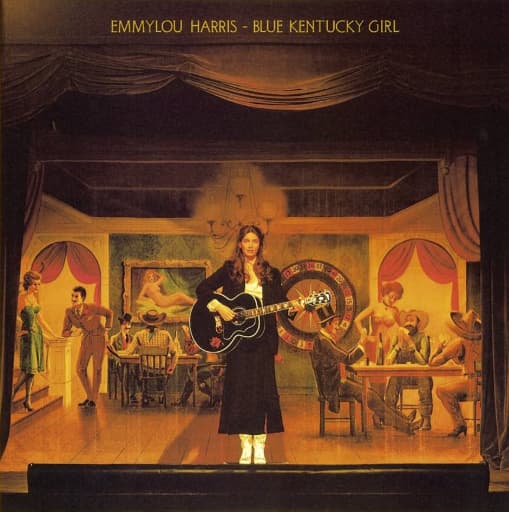
In the late 1970s, as country music flirted with crossover sounds, a quiet revolution was unfolding in the hands of Emmylou Harris. Her 1979 album, Blue Kentucky Girl, represented a deliberate, soulful return to the genre’s traditional roots—a shimmering, acoustic-laced tribute to classic country, honky-tonk, and bluegrass. At the core of this critically acclaimed record, which would go on to win a Grammy for Best Female Country Vocal Performance, was its title track and second single. The song, “Blue Kentucky Girl,” released in September 1979, climbed to Number 6 on the Billboard Hot Country Singles & Tracks chart, cementing Harris’s status not just as a star, but as a preservationist of country’s deepest heart.
The song, penned by the great country songwriter Johnny Mullins, is a masterpiece of Appalachian melancholy and devotion. It’s an older song, notably recorded years earlier by Loretta Lynn, but Harris’s crystalline voice imbued it with a new, reflective tenderness, perfectly aligning it with the mood of her album. The heart of “Blue Kentucky Girl” is a simple, yet profound, declaration of love from a woman to her man. She’s not concerned with the trappings of wealth, not the diamond rings or the fine clothes that Nashville songs so often chased. Her love is anchored in the shared history and deep emotional bond, symbolized by the “Kentucky” of the title—a place often associated with hardship, natural beauty, and unpretentious, honest living.
For those of us who remember those times, “Blue Kentucky Girl” felt like a cool glass of water after years of sweetened, sometimes synthetic, country-pop. It spoke to the enduring, unwavering kind of love that transcends material circumstance. Harris sings of her man being “all the world” to her, a deeply personal sentiment that resonates with the nostalgic memory of finding ‘the one’ when life was perhaps less complicated, less hurried.
“My heart is in the bluegrass, my heart is on the hill…”
Those lyrics aren’t just geographical markers; they are anchors for the soul. They evoke the memory of dirt roads, worn-out front porches, and the unwavering loyalty that defined relationships in simpler times. The song’s emotional meaning lies in its celebration of poverty’s grace—the idea that true wealth isn’t measured in dollars but in the steadfast presence of a loving partner. It’s a beautifully melancholic reflection, hinting at a separation or a yearning, a ‘blue’ sadness that only deepens the underlying love. The music itself, sparse and traditional, with prominent pedal steel and the haunting purity of Harris’s voice, wraps around the listener like a well-loved quilt. It’s a gentle reminder that some of the most powerful feelings are expressed not with a shout, but with a quiet, heartfelt sigh. It reminds us that in the end, it’s not what we have, but who we hold, that truly matters.
Emmylou Harris’s courage in leaning into traditionalism with Blue Kentucky Girl—an album that also featured classic compositions from the likes of Gram Parsons (“Hickory Wind”) and The Louvin Brothers (“Everytime You Leave”) and harmonies from Dolly Parton and Linda Ronstadt on “Even Cowgirls Get the Blues”—was a defining moment for her career and for country music’s trajectory, paving the way for the Americana genre decades later. “Blue Kentucky Girl,” the single, is more than just a chart hit; it’s a timeless hymn to humble, resilient love, sung by one of country music’s most revered and tender voices.