
A Song of Restless Hearts Searching for the Place They Cannot Stay
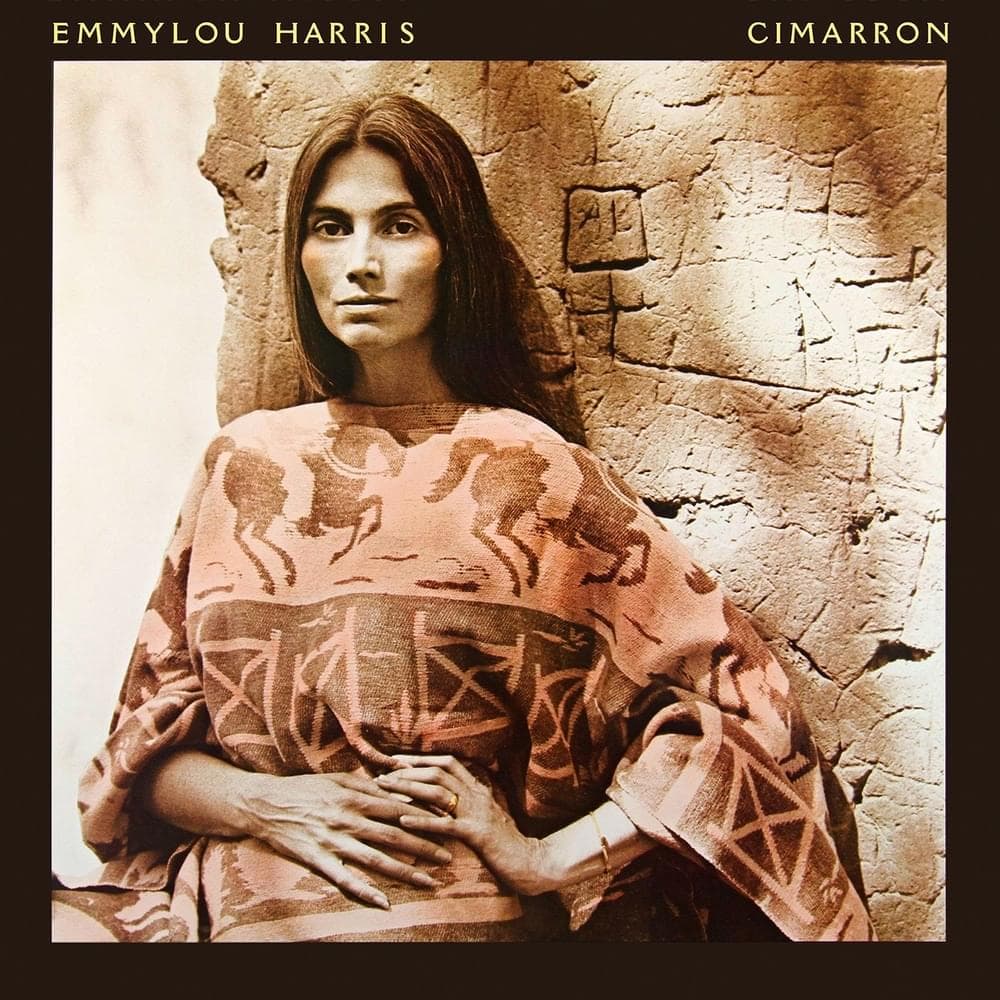
Released in May 1982 as the second single from Emmylou Harris’ album Cimarron, “Born to Run” charted with a quiet but undeniable force, climbing to number 3 on the Billboard Hot Country Singles & Tracks chart. Though penned by Paul Kennerley, its lineage runs deeper: the melody traces its roots to “The Death of Me,” born from Kennerley’s ambitious concept album The Legend of Jesse James, where the song first appeared in a haunting performance by Johnny Cash and Levon Helm. In Harris’ hands, however, the melody becomes something else entirely, an intimate confession set against a wide-open horizon, sung by a voice forever attuned to the tremor between longing and leaving.
What gives “Born to Run” its enduring resonance is not simply its narrative of flight but the emotional paradox at its core. Harris has always had a singular gift for embodying the ache beneath a song’s surface, and here she turns Kennerley’s tale into a meditation on the quiet, internal migrations that define a life. This is not the wild rebellion often associated with songs of escape; instead, it is the weary recognition that some spirits are restless by nature, shaped by departures they never wished to make and destinations they never fully reach. The song lives in that fragile space between love and inevitability, where affection becomes a tether too delicate to hold.
Harris’ vocal performance deepens this tension. Her voice, clear, tremulous, edged with a grace that only lived experience can teach, carries the weight of someone who has known the sweetness of belonging and the sorrow of walking away from it. She sings not with defiance, but with the gentle resignation of a traveler who understands that the road is both a calling and a consequence. The arrangement amplifies this nuance through the soft push of the rhythm, the shimmering steel guitar, and the spacious production that creates the illusion of open sky while keeping the emotional center tightly focused.
Lyrically, “Born to Run” invites listeners into the heart of a character suspended between hope and remorse. It reflects on the mysterious forces that compel us to move, even when love pleads for stillness. The refrain, simple, repetitive, devastating, echoes the truth that some journeys are less about geography and more about identity. In Harris’ reading, the song becomes a quiet chronicle of self-knowledge, where the protagonist recognizes not only the cost of leaving but the impossibility of staying.
Over four decades later, “Born to Run” endures because Harris transforms it from a narrative of outlaws and wanderers into a universal hymn for anyone who carries the burden of unfinished stories. It stands as one of her most emotionally intricate performances, an elegant portrait of freedom shaded with the sorrow of what must be left behind.
 Oldies Songs