
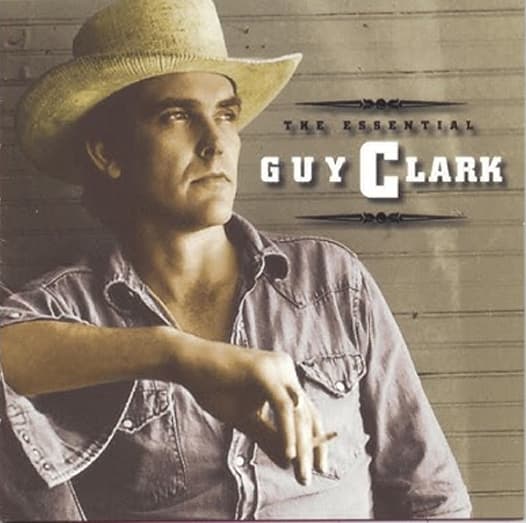
A Quiet Song About Waiting, Weariness, and the Small Truths That Shape a Life
When Guy Clark released Old No. 1 in 1975, there were no fireworks on the charts and no rush of commercial acclaim. The album did not enter the Billboard Hot 100, nor did it produce a hit single by the standards of the day. Yet over time, Old No. 1 came to be recognized as one of the most important singer songwriter albums in American folk and country history. At the heart of that record sits Instant Coffee Blues, a song so modest in its construction and so honest in its tone that it feels less like a performance and more like a private confession overheard in a quiet room.
By 1975, Guy Clark was already well known among fellow songwriters in Texas and Nashville. He had written songs recorded by others, including Jerry Jeff Walker and Bobby Bare, but he had not yet established himself as a recording artist of lasting consequence. Old No. 1 changed that quietly and permanently. The album was released on RCA Records and produced by Neil Wilburn, with spare arrangements that placed Clark’s voice and words at the center. Instant Coffee Blues appears early in the album, setting the emotional tone for everything that follows.
The song itself is built on small details. A cheap cup of coffee. A long morning. The dull ache of routine. In Instant Coffee Blues, Clark writes about exhaustion not as drama but as condition. There is no grand heartbreak here, no dramatic betrayal. Instead, the song captures a state of mind familiar to anyone who has spent years doing the work of living. It is about waking up tired, going on anyway, and finding yourself suspended between who you were and who you hoped to become.
What makes Instant Coffee Blues remarkable is its restraint. Clark does not explain himself. He does not ask for sympathy. He simply observes. The lyrics move with the pace of thought rather than plot, allowing the listener to settle into the emotional temperature of the song. The coffee is instant because time itself feels instant and disposable. The blues are not loud because life’s disappointments rarely announce themselves.
Musically, the song is understated. Acoustic guitar leads, lightly supported by bass and subtle instrumentation. Clark’s voice is calm, conversational, almost weary. There is no attempt to impress. This approach reflected Clark’s broader philosophy as a songwriter. He believed songs should feel lived in, like old houses or familiar streets. In that sense, Instant Coffee Blues functions as a manifesto for his career.
At the time of its release, neither the song nor the album received significant radio play. Country radio in the mid 1970s leaned toward polished productions and clearer commercial hooks. Guy Clark occupied a different space, closer to Townes Van Zandt, Mickey Newbury, and other writers whose influence would far outlast their chart success. Over the years, Old No. 1 earned a place on numerous lists of essential Americana albums, and Instant Coffee Blues became a quiet favorite among listeners who recognized themselves in its lines.
The meaning of the song deepens with age. What might sound like simple fatigue to a younger listener reveals itself as something more reflective over time. It is about compromise, about mornings that arrive faster than dreams can keep up with. Yet there is no bitterness in Clark’s writing. Only acceptance, and perhaps a faint hope that understanding is enough.
For older listeners, Instant Coffee Blues resonates not because it reminds them of youth, but because it honors endurance. It respects the weight of years without romanticizing them. In a musical landscape often obsessed with spectacle, Guy Clark offered something rarer. A song that listens as much as it speaks.
Nearly fifty years after its release, Instant Coffee Blues remains unchanged, and so do the truths it carries. That is its quiet power. It does not chase time. It waits for those who are ready to hear it.