
Across the Border: A Quiet Journey of Hope, Longing, and the Dream of a Better Life
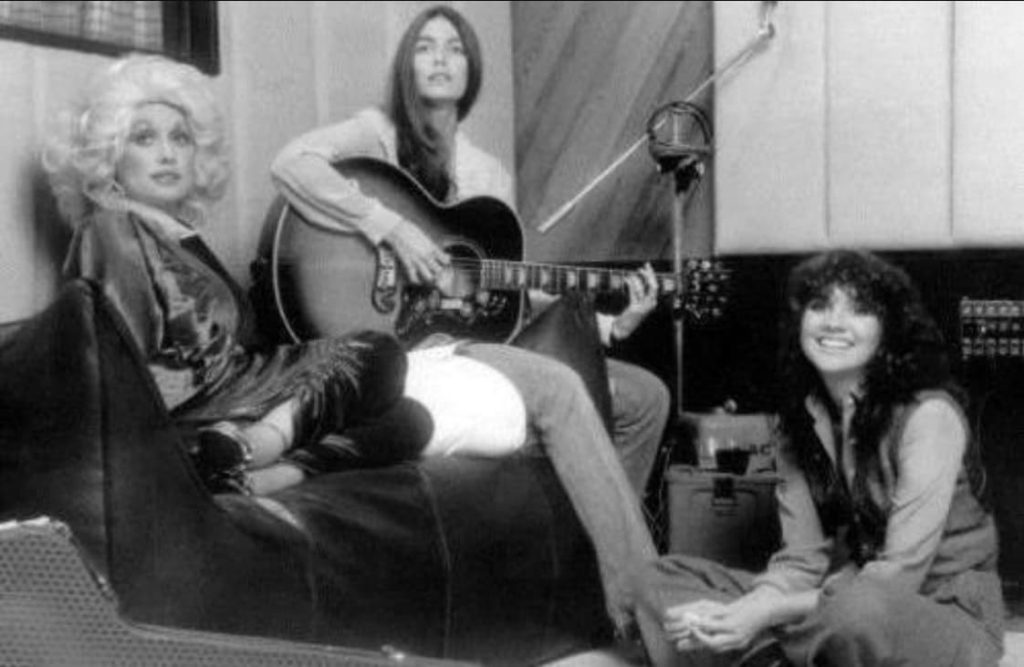
When two of America’s most cherished voices, Linda Ronstadt and Emmylou Harris, joined together in the late 1990s to record “Across the Border,” they were not chasing a commercial hit. Instead, they were giving new life to a song already rich with meaning. Written by Bruce Springsteen and originally released on his stark 1995 album The Ghost of Tom Joad, the song carried the quiet weight of migration, hope, and human dignity. Yet when Ronstadt and Harris included it on their collaborative album Western Wall: The Tucson Sessions in 1999, the song seemed to take on a warmer, more intimate emotional dimension.
By that time, both singers had already spent decades shaping the sound of American roots music. Linda Ronstadt, born and raised in Tucson, Arizona, had long been connected to the cultural crossroads of the American Southwest and Mexico. Emmylou Harris, with her unmistakable crystalline tone and deep reverence for traditional music, had built a career interpreting songs with a storyteller’s sensitivity. When these two voices met on “Across the Border,” the result was not simply a duet. It felt more like a conversation between two witnesses to the long human story of longing for a better life.
The lyrics themselves are simple, almost conversational. They speak of people who travel through the desert night, chasing a promise that lies somewhere beyond the horizon. Springsteen wrote the song during a period when he was exploring the lives of the overlooked and the struggling. On The Ghost of Tom Joad, he painted quiet portraits of workers, migrants, and dreamers. But when Ronstadt and Harris interpret “Across the Border,” they soften the edges of that narrative and allow compassion to come forward.
There is a tenderness in their harmony that feels deeply human. Ronstadt’s voice carries a warm earthiness that reflects the geography and culture of the borderlands. Harris responds with a gentle, almost spiritual clarity. Together, they create a sound that feels less like protest and more like prayer.
For listeners who came of age with the great singer songwriters of the 1960s and 1970s, this performance carries a special resonance. It reminds us of a time when songs were not just entertainment but reflections of real lives and real struggles. “Across the Border” is not dramatic or grand. It moves quietly, almost like footsteps in the sand, telling a story that has repeated itself across generations.
In the end, the version recorded by Linda Ronstadt and Emmylou Harris on Western Wall: The Tucson Sessions feels like a gentle lantern held up in the dark. It illuminates a simple truth that has echoed through folk music for centuries. No matter where we come from, the dream of crossing into a better tomorrow is something every human heart understands.
 Oldies Songs