
A Portrait of Loneliness Wrapped in Melody and Memory
When “Solitaire” was released in 1972, it quietly slipped into the American charts, peaking at No. 43 on the Billboard Hot 100 and reaching No. 46 on the Easy Listening chart. It was not a thunderous hit, not the kind that blared from every passing car radio. Yet over time, the song has grown into something more enduring than a chart-topping single—it has become a haunting meditation on isolation, pride, and the silent distance that can grow between a man and the world around him.
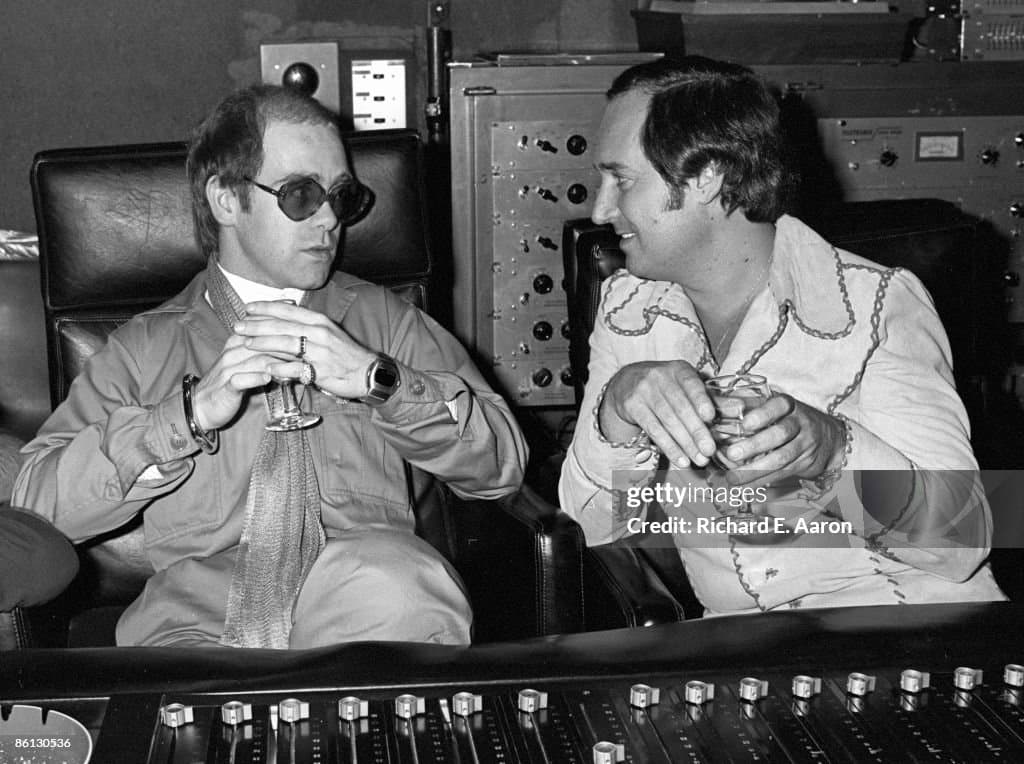
Written and recorded by Neil Sedaka for his 1972 album “Solitaire” (released in the UK as part of his career resurgence under Rocket Records), the song emerged during a pivotal moment in Sedaka’s life. Once a golden boy of early 1960s pop with effervescent hits like “Calendar Girl” and “Breaking Up Is Hard to Do,” Sedaka found himself struggling as musical tastes shifted. The British Invasion had reshaped pop music, and many American teen idols were left searching for relevance. It was in this period of reinvention—living in the UK, rebuilding his career with the support of Elton John’s Rocket label—that Sedaka wrote “Solitaire.”
Unlike his earlier upbeat tunes, “Solitaire” is stark, introspective, almost cinematic in its storytelling. The lyrics paint the portrait of a man who keeps others at arm’s length:
“There was a man,
A lonely man,
Who lost his love through his indifference…”
From the very first lines, the tone is somber and reflective. This is not simply a song about heartbreak; it is about emotional withdrawal, about the cost of pride and guardedness. The title itself is symbolic. “Solitaire” suggests both the card game played alone and a solitary jewel—beautiful, perhaps admired from afar, but ultimately isolated. The man in the song has chosen distance over vulnerability. He is self-contained, polished, and alone.
Musically, Sedaka crafted a restrained yet powerful arrangement. The piano introduction is gentle, almost fragile, before swelling into sweeping orchestration. His vocal performance is one of his most nuanced—less theatrical than some of his earlier recordings, but richer with emotional gravity. There is maturity here, the voice of an artist who has known both applause and obscurity.
The story behind the song is deeply personal. While not strictly autobiographical, Sedaka has spoken about how the song reflects emotional experiences and observations from his own life. By the early 1970s, he had endured a professional downturn that forced him to confront vulnerability and self-doubt. In many ways, “Solitaire” mirrors that emotional landscape—the fear of opening up, the instinct to protect oneself from pain, and the unintended consequences of that self-protection.
The song gained renewed prominence in 1975 when Elvis Presley recorded his own version. Presley’s interpretation, included on the album “From Elvis Presley Boulevard, Memphis, Tennessee”, was even darker and more operatic. Elvis reportedly connected deeply with the song’s theme of isolation, and his version reached No. 17 on the Billboard Adult Contemporary chart. For many listeners, Presley’s rendition amplified the melancholy at the heart of the composition, but it was Sedaka’s original that first captured the quiet ache of emotional retreat.
What makes “Solitaire” endure is its timelessness. The world may change—fashion, radio formats, the shape of the music industry—but the human condition does not. The fear of intimacy, the slow erosion of love through indifference, the silent rooms that echo when conversation fades—these remain constants in every generation.
Listening to Neil Sedaka’s “Solitaire” today feels like opening an old letter tucked away in a drawer. The paper may have yellowed, but the words still carry weight. The melody lingers like a memory you can’t quite place but cannot forget. It is not a song of dramatic heartbreak; it is quieter than that. It is about the tragedy of what never fully bloomed.
In the long arc of Sedaka’s career, “Solitaire” stands as one of his most artistically significant works. It marked his evolution from teen idol to serious songwriter. It revealed emotional depth that few might have expected from the cheerful hitmaker of a decade earlier. And for those who have ever watched a relationship fade not with anger but with silence, the song resonates with almost uncomfortable truth.
There is something profoundly human in that final image—a man alone, not because he was unloved, but because he could not allow himself to love fully. That is the quiet ache at the heart of “Solitaire.” And perhaps that is why, decades later, its melody still feels like it belongs to us.