
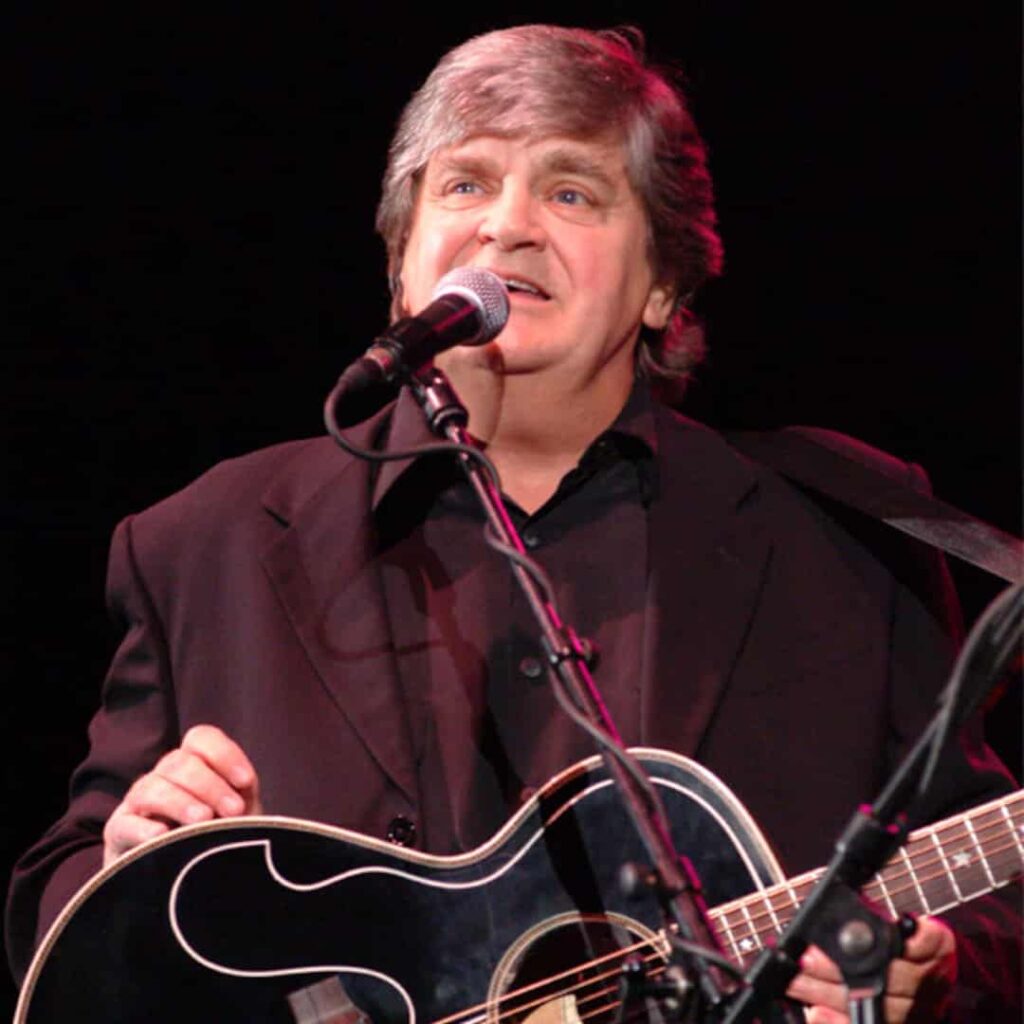
A Pure Harmony That Still Lingers, Phil Everly and the Sound of Eternal Youth
Few voices in popular music history feel as instantly familiar and quietly comforting as that of Phil Everly. Born on January 19, 1939, and passing on January 3, 2014, Phil belonged to a rare class of artists whose influence runs deeper than chart statistics and record sales. He helped define how harmony could carry emotion, how simplicity could feel profound, and how youth and longing could coexist in the same breath. Alongside his older brother Don Everly, he formed The Everly Brothers, a duo whose sound became a cornerstone of early rock and roll and harmony driven pop.
The essential facts come first because they matter. The Everly Brothers emerged in the late 1950s at a moment when popular music was still deciding what it wanted to become. Their breakthrough single “Bye Bye Love” was released in 1957 and climbed to No. 2 on the Billboard Hot 100, an extraordinary achievement for a young duo with a sound that did not rely on theatrics or rebellion, but on precision and feeling. That record opened a floodgate. Later the same year, “Wake Up Little Susie” reached No. 1 on the Billboard Hot 100, confirming that their success was not accidental. In 1958, “All I Have to Do Is Dream” also went to No. 1, a song so gentle and assured that it felt less like a performance and more like a confession whispered into the night. By 1960, “Cathy’s Clown” once again topped the charts, becoming one of the defining pop records of its era.
Yet numbers alone cannot explain why Phil Everly still matters. His voice was the higher harmony, the floating line that gave the Everlys their signature lift. Where Don often grounded the melody, Phil gave it air. Together, they created a vocal blend so tight that it seemed almost supernatural. Many later artists studied that sound as if it were a blueprint. The Beatles, Simon & Garfunkel, and countless others openly acknowledged the Everlys as a primary influence. Listen closely to early Lennon McCartney harmonies or the aching blend of Paul Simon and Art Garfunkel, and the lineage becomes unmistakable.
The story behind the music is one of discipline and heritage. Phil grew up immersed in country and Appalachian traditions, performing with Don on radio alongside their parents long before fame arrived. That upbringing shaped his musical instincts. The Everlys did not chase trends. They refined what they knew, combining country phrasing with pop structures and early rock rhythms. Phil’s singing always carried restraint. He rarely oversold a line. Instead, he trusted the song to speak, a quality that gave their records lasting emotional credibility.
The meaning of songs like “All I Have to Do Is Dream” or “Bye Bye Love” lies in their emotional honesty. These were not grand narratives. They were small, human moments. Heartbreak felt immediate. Desire felt patient rather than desperate. For listeners, the songs became companions, reminders of first loves, late nights, and moments when life felt simple but deeply felt. Phil Everly understood that music did not need to shout to endure.
Remembering Phil Everly today is not merely an act of nostalgia. It is an acknowledgment of a musical philosophy rooted in balance, harmony, and emotional clarity. His voice remains suspended in time, preserved on records that still sound alive. Long after trends have faded, those harmonies continue to speak, quietly and faithfully, to anyone willing to listen.