
A haunting folk meditation on love, exile, and the fragile beauty of freedom
Few songs from the mid-1960s capture the quiet, introspective soul of the folk revival quite like “The Falcon” by Richard Fariña and Mimi Fariña. Released in 1965 as part of their album Reflections in a Crystal Wind, the song did not enter the major commercial charts such as the Billboard Hot 100—a fate common among deeply poetic folk compositions of the era—but its impact has endured far beyond chart positions. Within the folk community, the album itself was warmly received and remains a quiet cornerstone of the genre, admired for its lyrical depth and emotional resonance rather than commercial success.
At the time of its release, the folk scene was undergoing a subtle transformation. Artists were moving away from traditional protest songs toward more personal, impressionistic storytelling. In that landscape, Richard & Mimi Fariña stood apart. Their music carried a literary sensibility, shaped in part by Richard’s work as a novelist. “The Falcon” feels less like a conventional song and more like a piece of poetry set to music—its imagery delicate, elusive, and profoundly human.
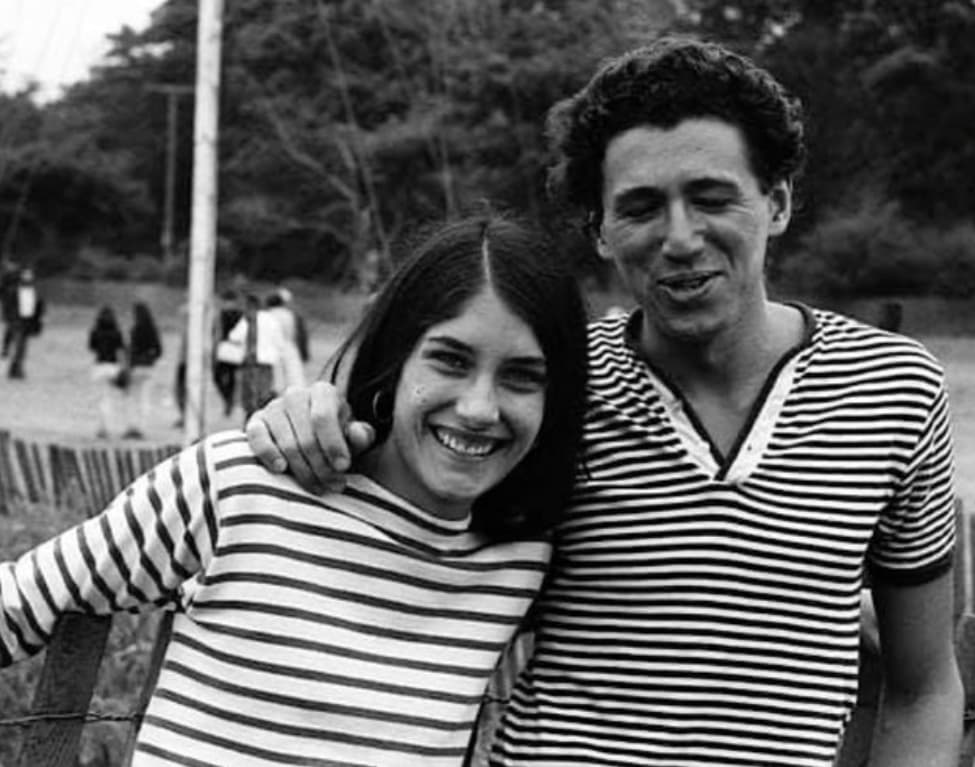
The story behind the song is inseparable from the lives of its creators. Richard Fariña, a restless and brilliant figure, was known for his intellectual depth and unconventional spirit. His partnership with Mimi Fariña, the younger sister of Joan Baez, brought a unique balance—his complexity softened by her clear, gentle vocal presence. Together, they created music that felt intimate, almost whispered, as if meant for a small circle of listeners rather than the masses.
“The Falcon” itself unfolds like a quiet allegory. The falcon, a symbol often associated with freedom, pride, and solitude, becomes in this song a mirror for human longing. There is a sense of distance throughout—between people, between dreams and reality, between the life one lives and the life one imagines. The lyrics suggest a yearning that cannot quite be fulfilled, a theme that resonates deeply with anyone who has ever looked back on life with a mixture of gratitude and wistfulness.
Musically, the arrangement is understated. Gentle acoustic guitar lines weave through the song, allowing the vocals to take center stage. There is no urgency here, no attempt to impress—only a quiet confidence in the power of simplicity. This restraint is precisely what gives the song its enduring strength. It invites the listener to slow down, to listen closely, and to feel.
What makes “The Falcon” particularly poignant is the knowledge of what came shortly after. In 1966, not long after the release of Reflections in a Crystal Wind, Richard Fariña tragically lost his life in a motorcycle accident at the age of just 29. In retrospect, songs like “The Falcon” seem almost prophetic—filled with a sense of fleeting beauty and the fragile nature of existence. They remind us that some voices burn brightly but briefly, leaving behind echoes that linger for decades.
For many listeners, returning to “The Falcon” is like opening an old photograph album. The world it evokes is quieter, perhaps more reflective, yet filled with emotional truths that remain unchanged. It speaks of love not as something loud or triumphant, but as something tender, complicated, and deeply human.
In the end, while it may never have climbed the charts, “The Falcon” has achieved something far more lasting. It has become a song that lives in the hearts of those who seek meaning beyond the surface—a gentle reminder of the beauty found in stillness, and the stories carried within a single, softly sung melody.