
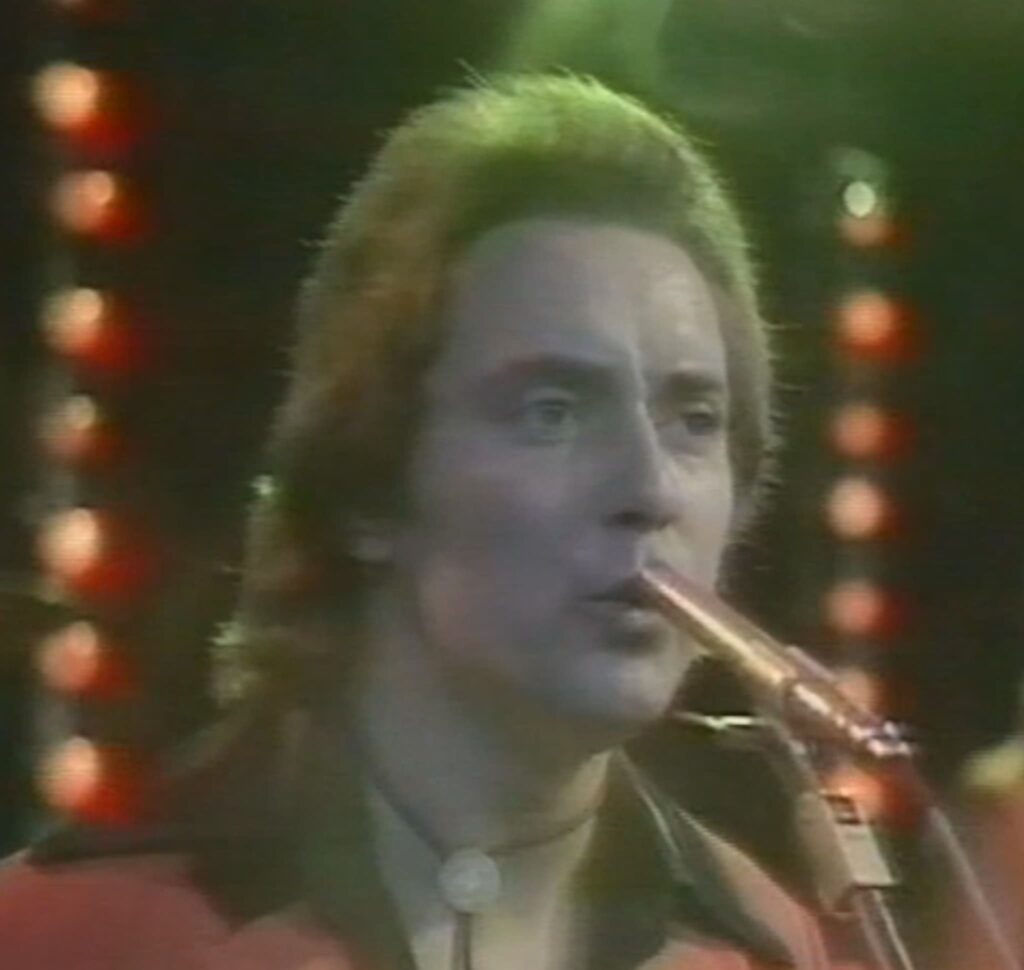
“Just A Country Boy” – a warm, humble portrait of simple roots and quiet pride, wrapped in the nostalgic glow of rock ’n’ roll revival
When Showaddywaddy recorded “Just A Country Boy” in 1979, the group was already firmly established as one of Britain’s most beloved champions of the rock ’n’ roll revival movement. Formed in Leicester, England in 1973, the eight-member band had built its reputation on reviving the spirit of late-1950s and early-1960s rock and pop, transforming old-fashioned melodies into lively, modern hits for a new decade.
“Just A Country Boy” appeared on their 1979 album Crepes & Drapes, an album that climbed to No. 8 on the UK Albums Chart, continuing the band’s remarkable streak of popularity during the late 1970s. Although the track itself was not among the group’s biggest chart singles, it became a quiet favorite among fans, appreciated for its warmth, its playful rhythm, and the gentle sincerity that sits at the heart of the song.
At its core, “Just A Country Boy” carries a message that feels timeless. The narrator is not a hero, not a dreamer chasing fame or fortune. He is simply a man who understands where he comes from. In an era when popular music often celebrated glamour and urban excitement, the song offered something different — a smile, a shrug of the shoulders, and a declaration that there is dignity in simplicity.
That theme resonates strongly with the long tradition of country-influenced storytelling that had already been woven into popular music for decades. The title itself echoes the classic folk song “I’m Just a Country Boy,” written by Fred Hellerman and Marshall Barer and recorded by many artists over the years, including Harry Belafonte in the 1950s and Don Williams, whose 1977 version reached No. 1 on the Billboard Country Chart. Even though Showaddywaddy’s recording belongs stylistically to pop rock rather than traditional country, the spirit of that earlier song lives quietly inside it.
Musically, the recording reflects everything that made Showaddywaddy distinctive during their peak years. Their sound blended doo-wop harmonies, early rock ’n’ roll rhythms, and bright pop production, all delivered with a sense of fun that was unmistakably British. By the late 1970s the band had already achieved major chart success with songs like “Hey Rock and Roll,” “Three Steps to Heaven,” and their biggest hit, “Under the Moon of Love,” which reached No. 1 on the UK Singles Chart in 1976.
Against that backdrop of chart triumphs, “Just A Country Boy” feels almost intimate. It does not shout for attention. Instead, it strolls along with an easy rhythm — the musical equivalent of a quiet road stretching through open fields. The vocals carry a relaxed confidence, suggesting someone who has long ago made peace with who he is.
One of the most charming qualities of the song is the gentle humor embedded in its lyrics. The narrator proudly admits his modest background, but there is no trace of apology. Rather, there is pride — the kind that comes from knowing that the values learned in simple surroundings are worth holding on to.
This theme may explain why the song continues to resonate with listeners long after the era of its release. Popular music often reflects the ambitions of youth: speed, change, excitement. Yet songs like “Just A Country Boy” remind us that there is another emotional landscape in music — one built on memory, familiarity, and the quiet comfort of belonging somewhere.
For Showaddywaddy, whose entire career was built on celebrating the musical past, that message feels particularly fitting. Their work in the 1970s was never about nostalgia as mere imitation. Instead, it was about keeping the spirit of early rock ’n’ roll alive, reminding audiences that the melodies and rhythms of earlier decades still had the power to move people.
Listening to “Just A Country Boy” today, one hears more than a cheerful pop recording from 1979. One hears an echo of a musical tradition stretching back through folk songs, country ballads, and the first generation of rock ’n’ roll.
And perhaps that is why the song leaves such a lasting impression. Beneath its lighthearted surface lies a gentle truth: sometimes the most enduring music is not about becoming someone extraordinary — but about remembering, with a quiet smile, exactly where you began.