
A Joyful Ride Through Love, Longing, and the Irresistible Pulse of Philadelphia Soul
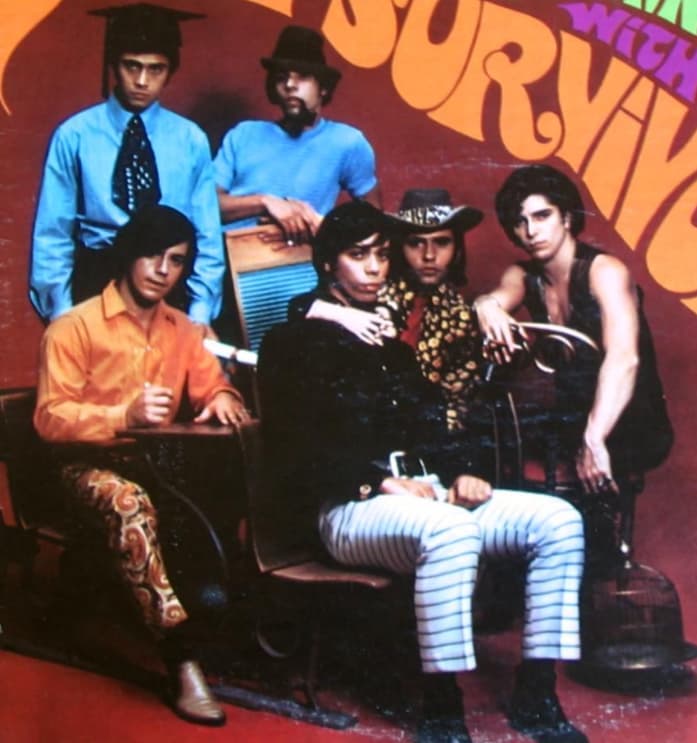
When “Expressway to Your Heart” by Soul Survivors roared onto the airwaves in 1967, it felt like the sound of young America shifting gears. Urgent, brassy, and bursting with emotional momentum, the song became one of the defining early statements of what would soon be known worldwide as the Philadelphia soul sound.
Released in the summer of 1967 on the Crimson label and later distributed by Cameo-Parkway Records, the single climbed to No. 4 on the Billboard Hot 100 and reached No. 27 on the Billboard R&B chart. For a debut national hit, those numbers were remarkable. It wasn’t just a chart success—it was a statement of arrival. The song also later appeared on the group’s album When the Whistle Blows Anything Goes (1967), cementing their place in the rapidly evolving soul landscape of the late ’60s.
At the heart of this electrifying record stood the production and songwriting team of Kenny Gamble and Leon Huff—names that would later become synonymous with the lush sophistication of the Philadelphia International sound. But in 1967, they were still carving their path, hungry and inventive. “Expressway to Your Heart” was one of their earliest major breakthroughs, and you can hear that hunger in every horn stab, every pounding drumbeat, every impassioned vocal line.
The arrangement is bold and unapologetic. The song opens with blaring horns that practically command attention, followed by a rhythm section that feels like a revving engine. There’s a rawness here—less polished than the smoother Philadelphia soul records that would come later—but that rawness gives the track its thrilling immediacy. It feels alive, almost reckless in its urgency.
Lead vocalist Richie Ingui delivers the lyrics with a mixture of frustration and determination. The metaphor at the center of the song is disarmingly simple yet powerfully relatable: love as a highway, riddled with traffic jams and roadblocks. “I’ve been trying to get to you for a long time,” he seems to say—not just physically, but emotionally. There’s something deeply human in that image of stalled progress, of longing delayed. Who hasn’t felt that emotional traffic, that sense of being stuck just short of connection?
Yet the song is not a lament—it’s a declaration. The narrator isn’t giving up. He’s willing to navigate the congestion, to find an alternate route if necessary. That resilience, wrapped in such buoyant musical energy, gives “Expressway to Your Heart” its enduring charm. It’s heartbreak transformed into motion.
Historically, the record also marks an important transitional moment in American popular music. In 1967, soul music was flourishing in multiple regional forms—Memphis, Detroit, Chicago. But Philadelphia was still emerging as a distinctive force. This single, recorded at Sigma Sound Studios in Philadelphia, helped lay the foundation for what would become a defining regional identity in soul music during the 1970s.
Over the decades, “Expressway to Your Heart” has never quite left the cultural memory. It was memorably featured in the 1991 film The Commitments, introducing the song to a new generation and reminding older listeners of the electric thrill it once brought to transistor radios and dance floors alike. That scene—sweaty, exuberant, brimming with rhythm—captured exactly what made the song special in the first place.
Listening to Soul Survivors today, there’s a sense of stepping back into a moment when soul music was both gritty and hopeful, when horns blazed like sunrise over city streets. “Expressway to Your Heart” doesn’t rely on complex poetry or intricate philosophy. Its strength lies in its directness—in the way it transforms a simple metaphor into a full-throttle emotional journey.
And perhaps that is why it still resonates. It reminds us that love has always been a journey filled with detours, delays, and unexpected turns. But as long as the engine keeps running and the heart keeps searching, there’s always another mile to travel.
More than half a century later, the song remains a vibrant testament to the early genius of Gamble and Huff, the spirited vocal delivery of the group, and the undeniable power of Philadelphia’s rising soul sound. It’s not just a hit record from 1967. It’s a memory on vinyl. A highway paved with brass and rhythm. A reminder that sometimes the most meaningful destinations are worth the traffic.