
A darkly humorous meditation on mortality, “Please Don’t Bury Me” turns the fear of death into a wry, unforgettable folk-country prayer.
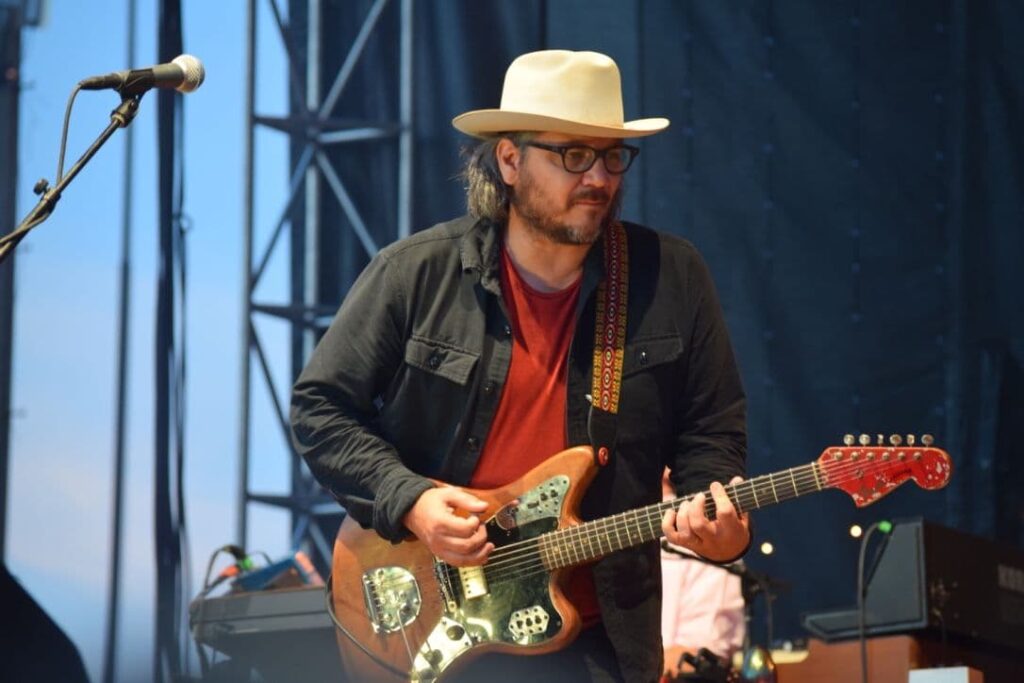
Few songwriters have ever balanced humor, humanity, and philosophical reflection the way John Prine did. When he wrote Please Don’t Bury Me, he created something that at first sounds playful and irreverent, yet slowly reveals a deeper meditation on mortality, usefulness, and the strange dignity of ordinary life. Decades later, the song gained renewed attention when Jeff Tweedy, leader of the band Wilco, recorded a heartfelt cover for the tribute album Broken Hearts & Dirty Windows: Songs of John Prine. Tweedy’s interpretation did not simply revisit the song—it reaffirmed its quiet brilliance and timeless wit.
The song first appeared on Prine’s 1973 album Sweet Revenge, one of the most beloved records of his early career. While “Please Don’t Bury Me” was not a major charting single, the album itself was widely praised and became a cornerstone of Prine’s reputation as one of America’s finest storytellers. In the early 1970s, when country music often leaned toward polished Nashville productions, Prine’s writing stood apart—earthy, humorous, and deeply human.
The premise of the song is deceptively simple. The narrator lies dying and makes a peculiar request: when he is gone, he asks that his body not be buried. Instead, he wants his organs and limbs distributed to those who might use them. A blind man could have his eyes, a crippled child his legs, and so on. In lesser hands, such a concept might feel morbid. But Prine transforms it into something almost joyful—an oddly uplifting celebration of generosity in the face of death.
Part of the song’s enduring charm lies in its tone. Prine approaches mortality not with dread but with a crooked smile. The narrator does not deliver grand philosophical speeches. Instead, he speaks plainly, almost casually, as if discussing something over a cup of coffee on a quiet afternoon. This simplicity is precisely what makes the song so powerful. Behind the humor lies a gentle reminder: even in death, a life can still give something back to the world.
When Jeff Tweedy recorded the song in 2010, his version carried a special resonance. Tweedy had long admired John Prine, and their artistic relationship was rooted in deep respect. Tweedy’s voice—soft, weathered, and reflective—fit the song naturally. Where Prine’s original carried a playful twinkle, Tweedy’s interpretation adds a layer of tenderness, as though the song had matured with time. Listening to his version feels like hearing a younger generation quietly bow its head in gratitude to an elder storyteller.
Musically, the song is modest in structure. A relaxed country-folk rhythm carries the lyrics forward with gentle ease. There are no dramatic orchestral flourishes or elaborate arrangements. Instead, the melody moves like an old road winding through familiar countryside—steady, comfortable, and honest. This understated musical backdrop allows the words to take center stage, exactly as Prine intended.
But what truly elevates “Please Don’t Bury Me” is the way it reflects the philosophy that ran through much of Prine’s songwriting. He believed that ordinary lives—postmen, factory workers, lonely widows, and aging dreamers—contained stories worth telling. In this song, even the final moments of life become an opportunity for humor and kindness. It is as if Prine is quietly suggesting that dignity does not come from grand achievements, but from simple acts of humanity.
In hindsight, the song feels almost prophetic. When John Prine passed away in 2020, countless musicians and listeners revisited his catalog, and “Please Don’t Bury Me” took on new meaning. Its playful request about giving parts of oneself to others suddenly felt like a metaphor for Prine’s entire career. His songs—full of warmth, wit, and compassion—had already been passed along to generations of listeners and musicians.
And perhaps that is why the song still resonates so strongly today. Beneath its humor lies a quiet truth: the best parts of us rarely disappear. They live on in the stories we tell, the kindness we show, and the music that continues to echo long after the last note fades.