
A quiet portrait of aging, memory, and enduring love—where time may fade the mind, but never the heart
When “The Dutchman” found its way into the voices of Tommy Makem & Liam Clancy, it was never meant to chase charts or dominate radio waves. In fact, unlike many songs of its era, this deeply introspective ballad did not achieve notable positions on mainstream rankings upon its release. Yet, its absence from the charts says more about the industry than about the song itself. Over time, “The Dutchman” has become something far more meaningful: a quiet standard of folk storytelling, carried across generations not by commercial success, but by emotional truth.
Originally written by Michael Peter Smith, the song paints an intimate portrait of an elderly Dutch man suffering from memory loss, tenderly cared for by his wife, Margaret. When Tommy Makem & Liam Clancy—two towering figures of Irish folk music—interpreted the song, they infused it with a profound sense of lived experience. Their version, released during the later years of their careers, feels less like a performance and more like a reflection—one shaped by time, loss, and enduring companionship.
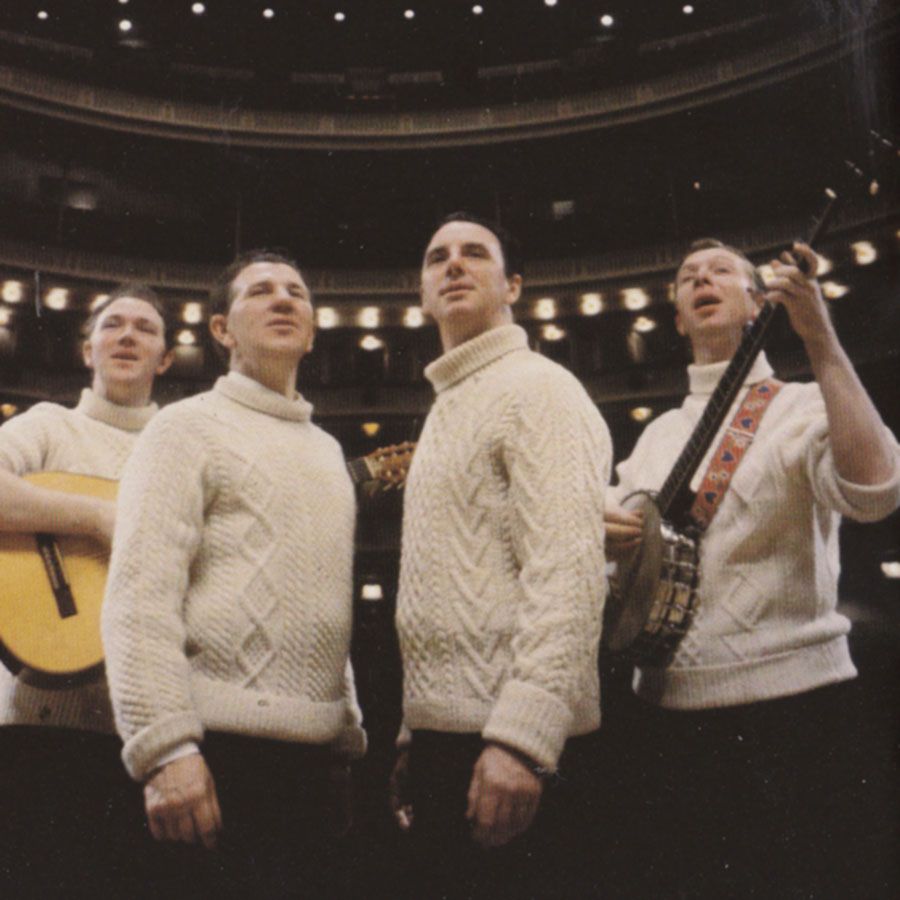
By the time they recorded “The Dutchman”, both Makem and Clancy had already spent decades shaping the folk revival movement. As members of The Clancy Brothers and Tommy Makem, they had once filled concert halls with rousing rebel songs and traditional ballads. But here, the energy is quieter, more deliberate. Their voices—aged, textured—carry the weight of years, making every line feel authentic, almost autobiographical.
At its core, “The Dutchman” is not just a song about aging—it is about dignity. The Dutchman himself drifts between fragments of memory, recalling ships, canals, and a life that seems just out of reach. Yet, the emotional anchor of the song is Margaret. She is not merely a caretaker; she is the keeper of their shared past, gently guiding him through moments of confusion with patience and love. In one of the song’s most poignant lines, she assures him that she remembers for both of them—a sentiment that resonates far beyond the narrative.
What makes this song particularly powerful is its restraint. There is no dramatic climax, no sweeping orchestration—just a steady melody that mirrors the quiet passage of time. The arrangement allows the listener to focus entirely on the story, and in doing so, invites personal reflection. One cannot help but think of familiar faces, shared histories, and the fragile nature of memory itself.
For Tommy Makem & Liam Clancy, this song marked a subtle but significant shift. It showed that folk music, often associated with history and tradition, could also serve as a deeply personal medium—one that speaks to universal human experiences. Their rendition of “The Dutchman” stands as a testament to their artistry: not in how loudly they could sing, but in how gently they could tell a story.
In the end, “The Dutchman” lingers not because of where it charted, but because of where it settles—in the quiet corners of the heart. It is a reminder that even as memories fade, love endures in the smallest gestures: a hand held, a story retold, a promise remembered.