
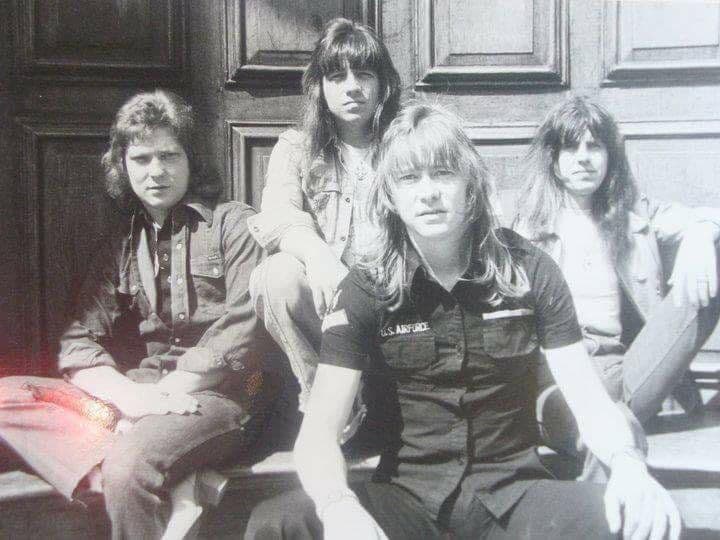
When the Glitter Faded: The Internal Conflicts That Tore Sweet Apart
In the early 1970s, Sweet stood at the center of the glam rock explosion. With their flamboyant outfits, catchy hooks, and explosive stage presence, the band became one of the most recognizable acts of the decade. Hits like Ballroom Blitz, Fox on the Run, and Love Is Like Oxygen dominated the charts and helped define the sound of glam rock. To fans, Sweet looked unstoppable. Behind the scenes, however, tensions within the band were slowly building, and those conflicts would eventually lead to their breakup.
One of the major sources of tension came from the band’s creative control. During their early years, Sweet worked closely with the songwriting and production team of Nicky Chinn and Mike Chapman. This partnership produced many of their biggest hits, but it also left some members of the band feeling frustrated. They wanted to prove that they were more than just performers singing songs written by others. Guitarist Andy Scott and bassist Steve Priest, in particular, pushed for more involvement in songwriting and musical direction.
As the band tried to transition into writing and producing more of their own material, disagreements began to surface. Different members had different ideas about the band’s musical direction. Some wanted to keep the polished pop sound that had brought them fame, while others wanted a heavier, more rock-oriented style. These artistic disagreements gradually created divisions within the group.
At the same time, personal problems made the situation even worse. Lead singer Brian Connolly struggled with health issues after suffering a serious throat injury in the mid-1970s. The injury affected his vocal ability and made performing increasingly difficult. As pressure from touring and recording continued, Connolly also began dealing with personal struggles, including alcohol problems. These difficulties created further tension between him and the rest of the band.
By the late 1970s, the internal strain had reached a breaking point. Communication between members became more difficult, and trust within the band began to fade. In 1978, Brian Connolly officially left the group. His departure marked a major turning point, since his voice had been one of Sweet’s most recognizable features.
Although the remaining members attempted to continue the band with a new lineup, the original chemistry was never fully restored. Without Connolly and with ongoing disagreements about the band’s direction, Sweet gradually lost the momentum they had once enjoyed at the height of their success.
The story of Sweet is a reminder that success in the music industry often hides complicated realities behind the scenes. While fans remember the band for their energetic performances and unforgettable hits, the internal conflicts that eventually tore them apart show how fragile even the biggest musical success can be.
Today, Sweet’s music still lives on, continuing to influence rock bands and delight listeners around the world. Yet their history also tells a deeper story about ambition, creative differences, and the challenges of keeping a band together when fame, pressure, and personal struggles collide.