
When Rock and Roll Was Young, Unwanted, and Still Unstoppable
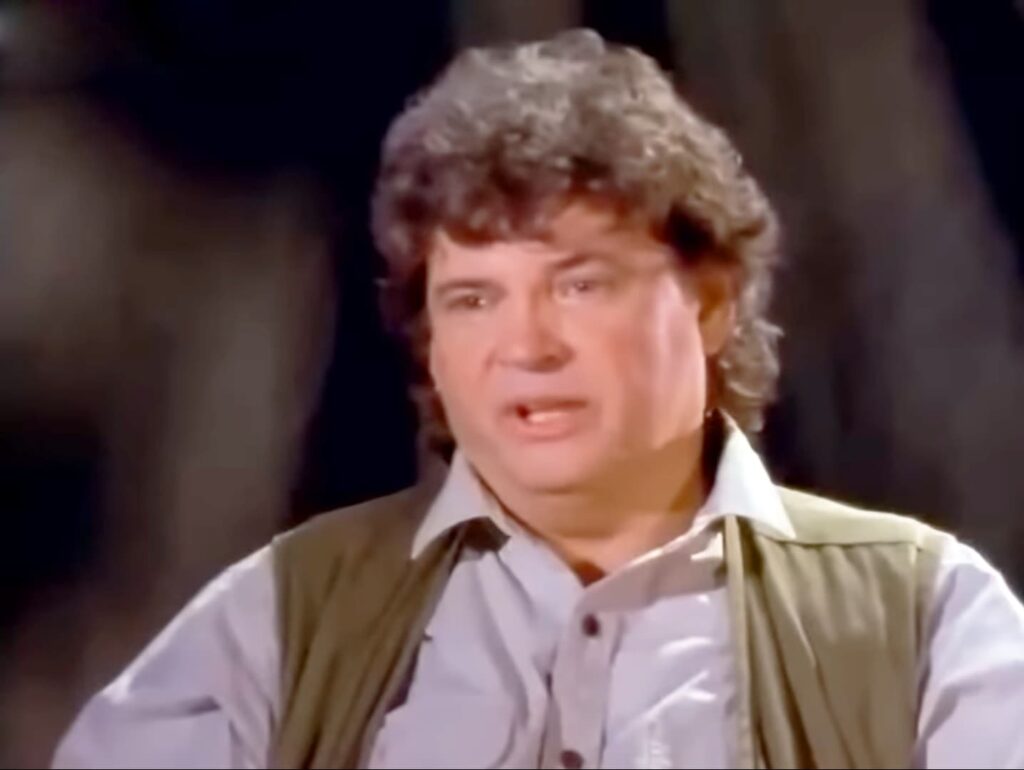
In the 1995 documentary History of Rock ’n’ Roll, Don Everly of The Everly Brothers offers a rare, deeply personal reflection on the earliest days of a genre that would go on to reshape popular music. By then, rock and roll had long been accepted, even celebrated. But as Don recalls, it was not always that way. In fact, during its first years in the mid-1950s, it was met with suspicion, criticism, and, at times, outright rejection.
Don speaks with a kind of calm clarity that only comes from distance. He remembers a time when rock and roll was seen as something dangerous, something disruptive. The press dismissed it. Communities pushed back against it. There were even bans and public outcries. To many, it felt like a threat to tradition. And yet, beneath all that resistance, something powerful was taking root.
When Don Everly graduated high school in 1955, he and his brother Phil Everly wasted no time. They drove straight to Nashville, chasing an opportunity that was far from guaranteed. With the help of publisher Wesley Rose, they secured an audition with Cadence Records. It was a fragile moment, the kind that could have easily slipped away. But they believed in the music, and perhaps more importantly, in each other.
What stands out in Don’s recollections is not just the struggle, but the sense of community that existed among those early artists. He speaks warmly of encounters with figures like Roy Orbison, recalling how they encouraged him to record “Only the Lonely” himself rather than give it away. It was not competition that defined that era. It was camaraderie. A shared belief in something new, even when the world around them had not yet caught up.
There is also a quieter, more somber note in his memories. Don reflects on his last interaction with Buddy Holly, a simple, almost ordinary exchange that would later carry unimaginable weight. The tragedy that followed, the plane crash that claimed Holly along with Ritchie Valens and The Big Bopper, remains one of the most painful moments in rock history. Listening to Don recount it, you can sense the lingering disbelief, even decades later.
Perhaps the most telling moment comes when he responds to the criticism rock and roll once faced. His answer is disarmingly simple. Music makes people happy. That, to him, was always enough. No defense, no argument, just a quiet truth.
Looking back now, it is almost difficult to imagine a world where rock and roll was unwelcome. But through Don Everly’s words, that world becomes real again. A time when the music was uncertain, the future unclear, and yet the passion undeniable. And maybe that is why it endured. Not because it was accepted, but because it refused to disappear.