
A Quiet Tribute to Craft, Character, and the Hands That Build a Life
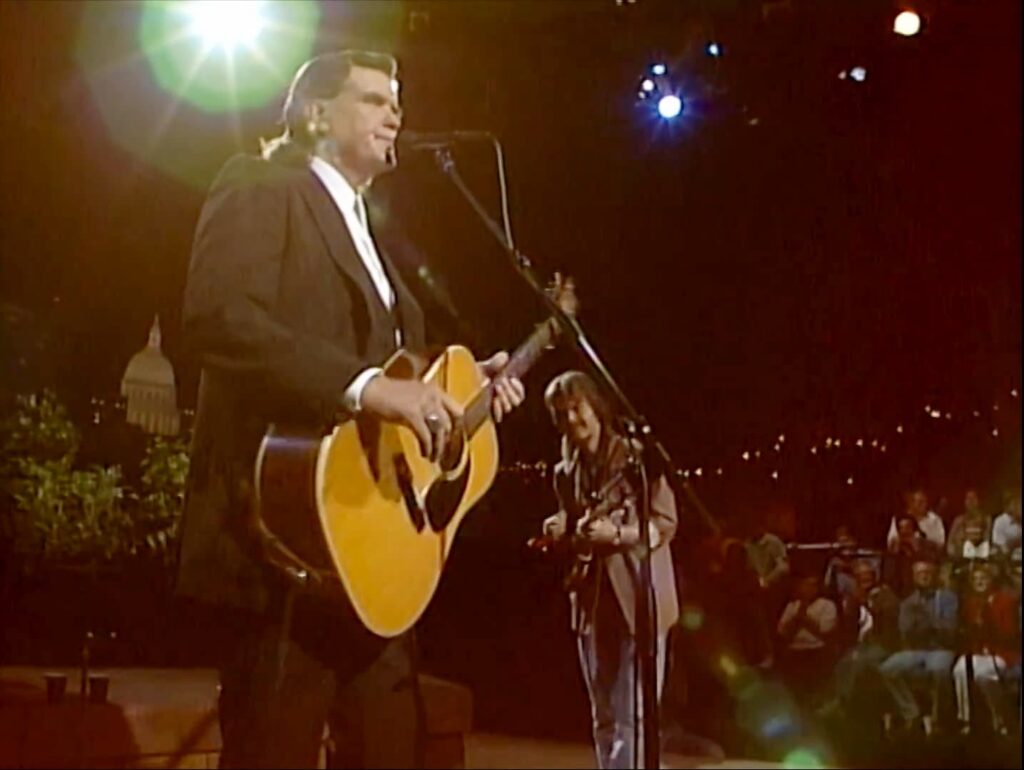
When Guy Clark steps onto a stage in Austin and sings “The Carpenter,” it never feels like just a song. It feels like a memory being passed down—one shaped by calloused hands, long days, and a code of living that doesn’t need explaining.
From the very first line, Clark frames the carpenter not as a profession, but as a philosophy. A man “tough as a crowbar,” “true as a level,” “straight as a line”—these aren’t just clever metaphors. They are measurements of character. In the world Clark writes about, tools are not separate from the man; they define him. Precision in craft mirrors honesty in life.
There’s an almost sacred reverence in the way the carpenter works—from cradle to coffin, from shipyards to small backyard birdhouses. That range matters. It tells you that dignity isn’t found in the scale of the work, but in the care behind it.
And then comes the quiet wisdom: anything worth doing is worth doing right. It’s the kind of line that feels inherited rather than written, like advice passed from father to son in a workshop filled with sawdust and silence.
What makes this performance endure is its restraint. Guy Clark doesn’t oversell the emotion. He trusts the weight of the words, the imagery, the lived-in truth behind every line. You can hear the room listening—not just to a song, but to a way of life that’s slowly fading.
In the end, “The Carpenter” isn’t about wood or nails.
It’s about integrity.
And the rare kind of man who measures his life the same way he measures his work—carefully, honestly, and without shortcuts.