
Before “Sweet Caroline” Became a Stadium Anthem, Neil Diamond Shared a Stage With the Artists Who Helped Shape Modern Popular Music
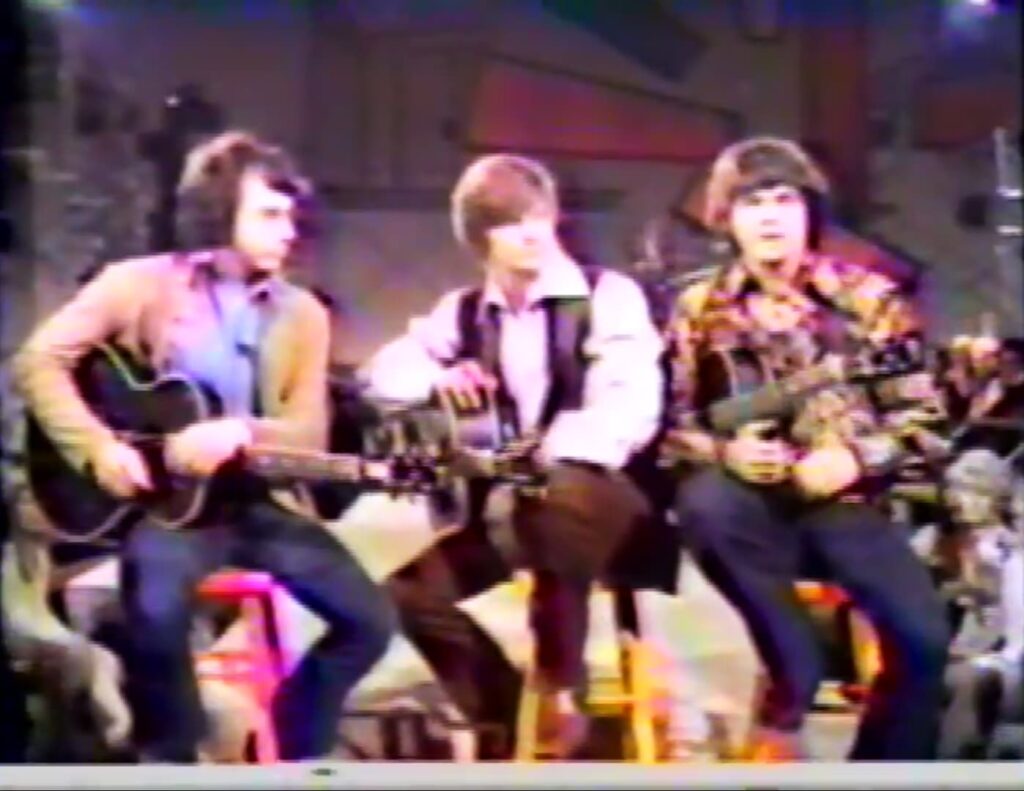
In 1970, Neil Diamond appeared as a guest on The Everly Brothers Show, delivering memorable performances of “Mr. Bojangles” and “Sweet Caroline” before joining The Everly Brothers, Evie Sands, and The Statler Brothers for a moving finale of the gospel standard “I’ll Fly Away.” Looking back more than half a century later, the program feels less like a television variety show and more like a remarkable gathering of artists who would each leave a lasting mark on American music.
What makes the footage especially fascinating today is where Neil Diamond stood in his career at that moment. He was no longer simply a talented songwriter crafting hits for others. Songs such as “Sweet Caroline,” “Holly Holy,” and “Brother Love’s Traveling Salvation Show” had already established him as one of the most exciting performers of his generation. Yet he was still only beginning the journey that would eventually make him one of the best-selling recording artists in music history.
For modern audiences accustomed to seeing Diamond as a legendary figure, the performance offers something rare: a glimpse of the future icon while he was still becoming one.
One of the most intriguing moments comes with his choice to perform “Mr. Bojangles.” Written by Jerry Jeff Walker, the song was still relatively new in 1970 and had not yet achieved the near-mythical status it would later enjoy within Americana and folk music circles. Instead of opening with one of his own major hits, Diamond chose a deeply human story song filled with vivid imagery and emotional nuance.
The decision revealed an often-overlooked side of his artistry. Beneath the chart success and arena-sized popularity was a performer deeply drawn to storytelling. His interpretation of “Mr. Bojangles” highlighted his ability to inhabit a character and bring a narrative to life, qualities that would remain central to his work throughout his career.
The performance of “Sweet Caroline” is equally fascinating, though for a very different reason.
Today, the song is inseparable from massive crowds singing along in unison. It has become one of the most recognizable audience participation anthems in popular music. Sporting events, concerts, and celebrations around the world have transformed it into a cultural ritual. Yet in this 1970 television appearance, viewers encounter the song before that transformation had fully taken place.
Here, “Sweet Caroline” is still simply a song. The now-famous crowd responses and stadium traditions do not yet exist. Watching the performance feels like opening a time capsule from the moment before a beloved recording evolved into a global phenomenon.
The broadcast also captures a warmth and spontaneity that many viewers find deeply nostalgic. After one of the performances, Don Everly jokingly offered Neil Diamond advice on how to recover his breath after singing. The audience laughed, the musicians laughed, and the conversation unfolded naturally. There was no sense of manufactured television drama, only artists enjoying each other’s company.
That relaxed atmosphere underscores another important aspect of the program. In many ways, it represented a meeting between generations of musical influence. The Everly Brothers had helped shape the sound of modern popular music through their groundbreaking harmonies and songwriting. Their influence extended to artists as diverse as The Beatles, Simon & Garfunkel, and The Beach Boys. Neil Diamond grew up in a musical landscape they helped create.
Seen through that lens, the appearance becomes more than a guest spot. It becomes a symbolic moment in which one generation of innovators welcomes another onto the stage.
The evening’s most memorable sequence may be the closing performance of “I’ll Fly Away.” As Diamond, the Everlys, Evie Sands, and the Statler Brothers gathered together to sing the beloved gospel hymn, the boundaries between country, folk, pop, and rock seemed to disappear. There was no single star commanding attention. Instead, a group of musicians stood together, united by a shared love of song.
Today, that finale carries even greater emotional weight. Viewers know what history would later reveal. Neil Diamond would become a global superstar. The Everly Brothers would be celebrated as pioneers of modern rock and pop harmony. The Statler Brothers would earn their place among country music’s most respected groups. What audiences witnessed in 1970 was not merely a television performance. It was a gathering of future legends whose collective influence would echo through American music for decades to come.