
Nearing 60, Dwight Yoakam Delivered a Powerful Reminder That a Wounded Heart Can Still Learn to Love Again
When Dwight Yoakam released “Second Hand Heart” in 2015, he was approaching his 60th birthday. By that point, he had already spent decades building one of the most respected careers in country music, creating classics that helped define the modern Bakersfield sound. Yet instead of looking backward, Yoakam chose to tell a very different story. In “Second Hand Heart,” he sang not about regret or bitterness, but about finding the courage to love again after life has left its marks.
The title itself remains one of the song’s most clever ideas. People often speak of second-hand cars, second-hand furniture, or second-hand possessions. Yoakam applies the same concept to the human heart. It is a simple image, yet surprisingly profound. This is a heart that has already been used. It has known love, disappointment, and heartbreak. It carries scars. But it still has value. More importantly, it still has hope.
That perspective is what makes the song stand apart from many traditional country heartbreak records. Rather than warning listeners against love, “Second Hand Heart” embraces the possibility of taking another chance. The narrator understands the risks. He knows what loss feels like. Yet he refuses to let those experiences close the door forever.
One lyric captures the song’s philosophy beautifully: if you count the memories but choose to keep only the good ones, the past becomes something to learn from rather than something to fear. It is an outlook rooted in maturity rather than youthful optimism. The song acknowledges pain while refusing to be defined by it.
That emotional balance gives the recording a surprising warmth. Listeners expecting a melancholy reflection on lost love instead discover one of the most uplifting songs Yoakam recorded during the later stages of his career. Beneath its energetic rhythm and infectious melody lies a message about healing, resilience, and second chances.
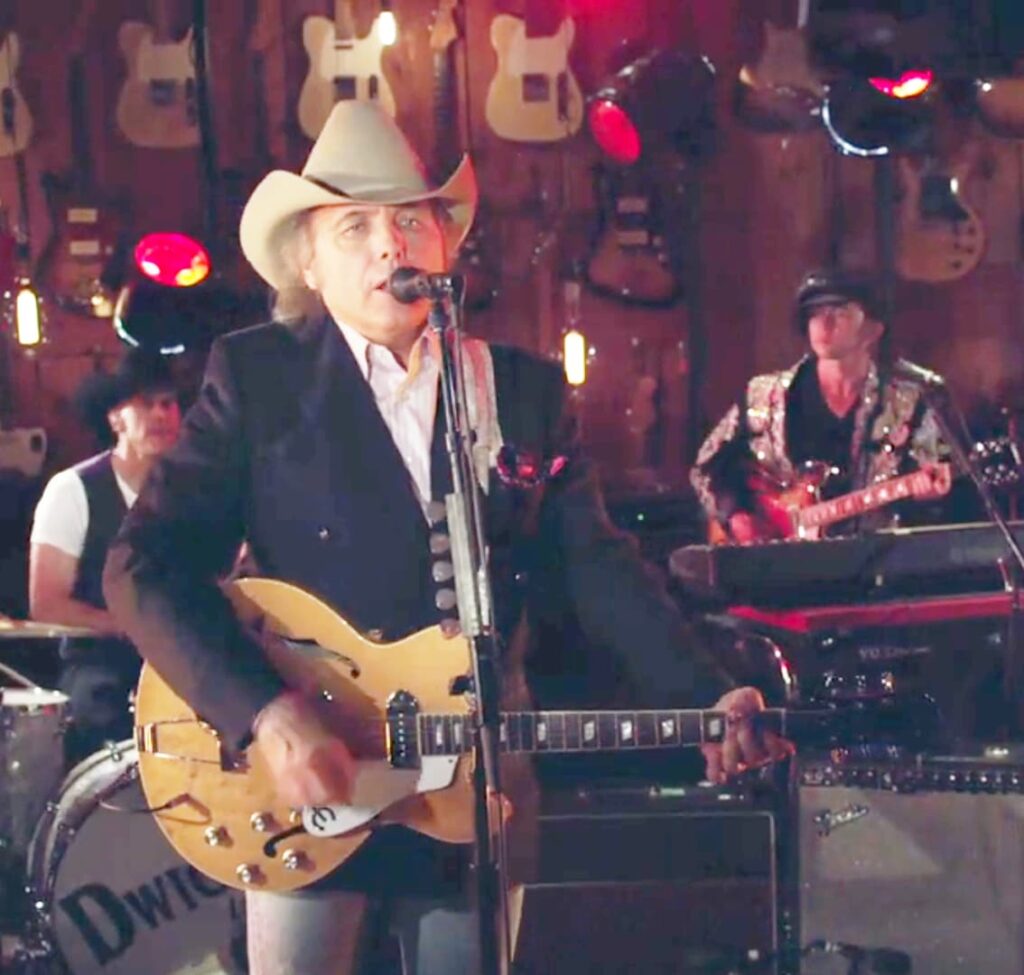
The performance from Guitar Center Sessions highlights those qualities perfectly. Without elaborate stage effects, giant video screens, or arena-sized production, the focus remains entirely on the music. The stripped-down setting allows Yoakam’s songwriting and performance to take center stage. It also serves as a reminder of one of his greatest strengths. Few artists can command attention so completely through nothing more than a distinctive voice, a strong melody, and a compelling story.
What makes the performance especially fascinating in retrospect is where it arrived in Yoakam’s career. Many country artists of his generation relied heavily on their established hits by the mid-2010s. Audiences expected familiar favorites such as “Guitars, Cadillacs,” “Honky Tonk Man,” or “Fast As You.” Instead, Yoakam stepped onto a national television platform to showcase a brand-new song.
That decision reflected something important about his artistic identity. He was not interested in becoming a nostalgia act. He still wanted to be judged by what he was creating in the present. For longtime fans, that commitment earned enormous respect. It demonstrated that his creative drive remained intact decades after his commercial breakthrough.
The song also served as a centerpiece for the album Second Hand Heart, released three years after 3 Pears. At the time, many wondered whether Yoakam still had new stories to tell. The album answered that question with confidence. It retained the twangy guitars, Bakersfield influences, and rockabilly energy that defined his sound while introducing lyrics that reflected a deeper and more seasoned perspective on life.
Looking back today, the performance feels different than it did in 2015. What once appeared to be a straightforward album promotion now resembles a snapshot of a veteran artist still pushing forward creatively. Viewers no longer see merely a new single being introduced. They see a musician refusing to let age dictate his relevance.
Perhaps that is why “Second Hand Heart” continues to resonate. It is not really a song about heartbreak. It is a song about what comes after heartbreak. It reminds us that scars do not diminish a life. Sometimes they become the very reason we find the strength to begin again.