
A Lifetime Of Songs, Sacrifice, And Homecoming: Anne Murray Reflects On The Journey Behind Full Circle
For millions of listeners, Anne Murray was the voice that seemed to arrive exactly when it was needed. Whether singing “Snowbird,” “Danny’s Song,” or countless other classics, she brought warmth, sincerity, and comfort to generations of music lovers. Now, in the new documentary Anne Murray: Full Circle, the Canadian icon looks back on a remarkable life and career, revealing both the triumphs and the personal struggles that accompanied her rise to international stardom.
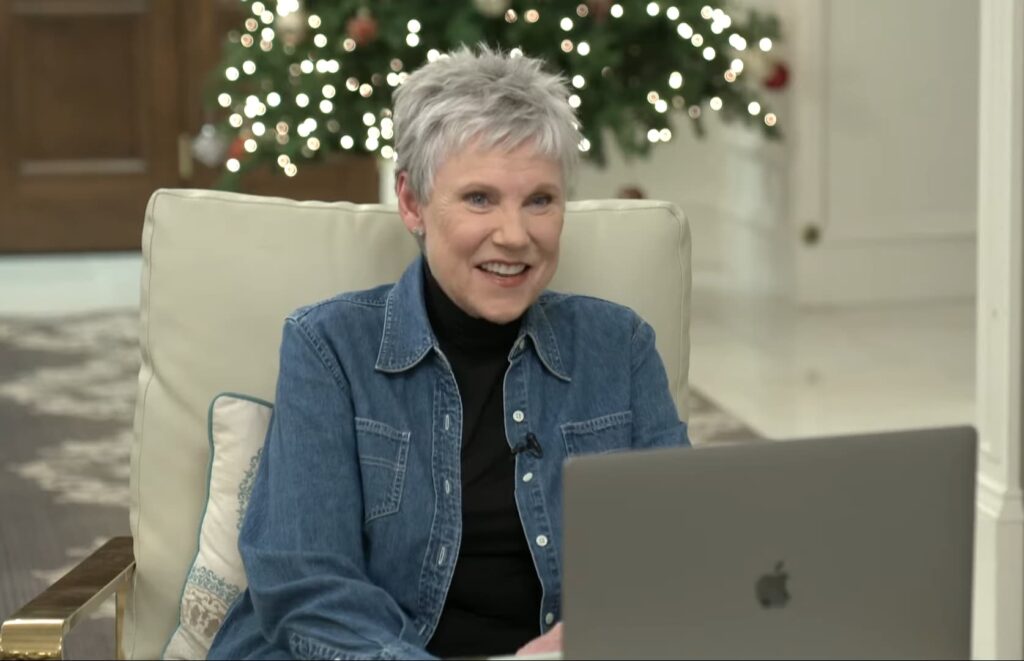
Speaking with CBC’s Tom Power, Murray admitted that watching her own life unfold on screen was far from easy. While audiences may see an inspiring success story, she sees memories that are still deeply emotional. Reviewing the documentary forced her to revisit difficult chapters she would rather leave in the past.
Among the most moving sections of the film are Murray’s reflections on her childhood in Springhill, Nova Scotia. Long before she became one of Canada’s most celebrated recording artists, she grew up in a coal mining town marked by tragedy and resilience. During her youth, Springhill endured devastating mining disasters and a massive fire that destroyed much of the community. Several of her school friends lost fathers in the mining accidents.
Yet alongside the sorrow came music.
Murray recalled a town where singing seemed woven into everyday life. Families gathered around songs. Community concerts were common. Nearly everyone she knew could sing. Surrounded by so much talent, she never imagined she possessed anything extraordinary herself.
The music that filled her childhood came from artists such as Rosemary Clooney, Patti Page, Bing Crosby, and Perry Como. She also developed a love for gospel music through friends whose families had endured the hardships of mining life. One particularly memorable influence came from the daughters of Maurice Ruddick, the miner who famously helped keep trapped workers alive after the 1958 Springhill mining disaster by leading them in song deep underground.
For Murray, singing was never a calculated career move. It was simply part of life.
That path eventually led her to Singalong Jubilee, a CBC television program that became a launching pad for many Atlantic Canadian performers. Initially, she viewed the opportunity as little more than a summer job while attending university. In fact, she failed her first audition. Years later, producers encouraged her to return, and this time she earned a place on the show.
The experience broadened her musical horizons. She performed folk songs, country tunes, and contemporary material by artists such as Bob Dylan and Joni Mitchell. More importantly, it placed her in an environment where young musicians were driven by a shared passion for music rather than dreams of fame.
Everything changed when songwriter Gene MacLellan handed her a tape containing several songs, including one called “Snowbird.” Murray still remembers her astonishment upon hearing it. The song would become her breakthrough hit and launch a career that transformed her into Canada’s first female pop superstar.
Success, however, brought challenges that the public rarely saw. In the documentary, Murray speaks candidly about the pressures of touring, navigating a male-dominated industry, and balancing career ambitions with family responsibilities. Looking back, she acknowledges that some sacrifices remain difficult to revisit.
At the same time, she refuses to define her career by hardship alone. Murray fondly recalls the camaraderie of the band that traveled with her for three decades. Together they celebrated holidays on the road, organized golf tournaments, decorated tour buses at Christmas, and built a sense of family far from home.
Today, Murray says she rarely thinks of herself as the famous performer audiences remember. The spotlight belongs to another chapter of her life. What remains is gratitude for the journey, pride in the music, and a deep affection for the Maritime roots that never left her heart.
Reflecting on her extraordinary career, Murray offered a simple assessment. She had a job, she did it to the best of her ability, and now the memories belong to history. Yet as Anne Murray: Full Circle makes clear, that history continues to resonate through songs that have become part of countless lives.
More than a documentary about a music legend, Full Circle is a portrait of perseverance, humility, and the enduring pull of home. It reminds us that behind every beloved voice is a human story shaped by loss, determination, laughter, friendship, and the places that never stop calling us back.