
“One (Live HOB)” – When a Song About Loneliness Becomes a Testament to Survival
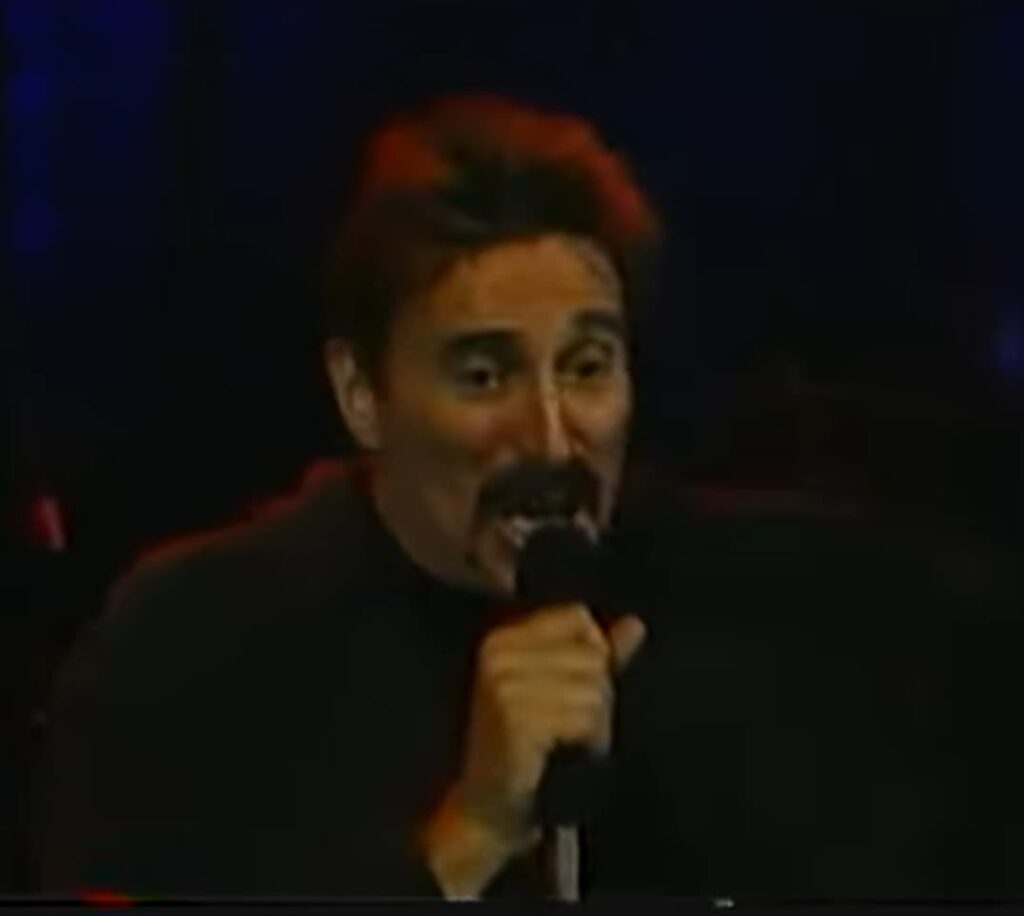
Few songs in American pop history carry the emotional gravity of “One.” When Chuck Negron, the unmistakable voice behind the classic recording by Three Dog Night, returned to sing the song in “One (Live HOB)”, it felt less like a performance and more like a personal reckoning. What began in the late 1960s as a haunting pop statement about isolation had, by the time of this live rendition, become something deeper—a reflection of redemption, memory, and the strange way music can mirror a human life.
The song “One” was originally written by legendary songwriter Harry Nilsson and first appeared on his 1968 album Aerial Ballet. Though Nilsson’s version introduced the world to the composition’s stark emotional landscape, it was Three Dog Night—with Chuck Negron taking the lead vocal—that transformed the song into a cultural landmark. Released as a single in 1969, “One” climbed to No. 5 on the Billboard Hot 100, becoming the band’s first major hit and setting the stage for a remarkable string of chart successes. The track also reached No. 4 on the Cash Box Top 100, confirming its widespread appeal across American radio.
At first glance, “One” seems deceptively simple. The opening line—“One is the loneliest number that you’ll ever do”—is among the most recognizable lyrics in popular music. But beneath that famous phrase lies a far more complex emotional world. The song captures the quiet despair of separation, the echo of love that once existed but can no longer be touched. Its structure—alternating between subdued verses and explosive choruses—mirrors the emotional swings of heartbreak itself.
For Three Dog Night, the recording was something of an experiment. The band’s format—three lead singers sharing vocal duties—was unusual for the time. Yet Chuck Negron’s voice proved uniquely suited to the aching intensity of “One.” His soaring, almost pleading delivery turned the song into a dramatic centerpiece. The recording, produced by Gabriel Mekler, relied on restrained instrumentation, allowing Negron’s voice to carry the emotional burden.
But the story of “One” does not end with its chart success in 1969.
Years later, when Chuck Negron performed “One (Live HOB)”—recorded at the House of Blues, a venue known for intimate yet electrifying performances—the song had acquired new meaning. By that point, Negron’s life had traveled through extreme highs and devastating lows. After achieving enormous fame with Three Dog Night, he struggled for years with addiction before eventually rebuilding his life and career.
Listening to “One (Live HOB)”, one hears not just the echo of the original hit but the voice of a man who understands the song’s loneliness in a far more personal way. His vocal phrasing carries a weight that only time can provide. The famous chorus no longer feels like a pop hook—it sounds like a confession.
That transformation is part of what makes this live performance so compelling. The arrangement remains faithful to the spirit of the original recording, yet the atmosphere is different. The audience response, the warmth of the venue, and Negron’s seasoned voice create an atmosphere that feels reflective rather than merely nostalgic.
It is worth remembering that “One” was released during a moment of enormous change in American music. The late 1960s were filled with psychedelic experimentation and political commentary, yet this song stood apart. Its power came not from grand statements but from emotional honesty. In a time when many songs aimed to capture the spirit of a generation, “One” quietly spoke to something far more universal—the solitude that every human being eventually encounters.
Over the decades, the song has remained a staple of classic rock and pop radio, frequently appearing on retrospective lists of the greatest songs of the era. Its endurance is not difficult to explain. The melody is unforgettable, but more importantly, the sentiment is timeless.
When Chuck Negron sings “One” in “Live HOB,” the performance becomes a bridge between past and present. It reminds listeners not only of a remarkable moment in pop history but also of the resilience that music can embody. The song that once defined the rise of Three Dog Night ultimately became something even more meaningful—a reminder that loneliness, redemption, and memory often share the same melody.
And perhaps that is why “One” continues to resonate after so many years. Long after the charts have faded into history, the song remains what it has always been: a quiet, haunting reflection on the fragile mathematics of the human heart.