
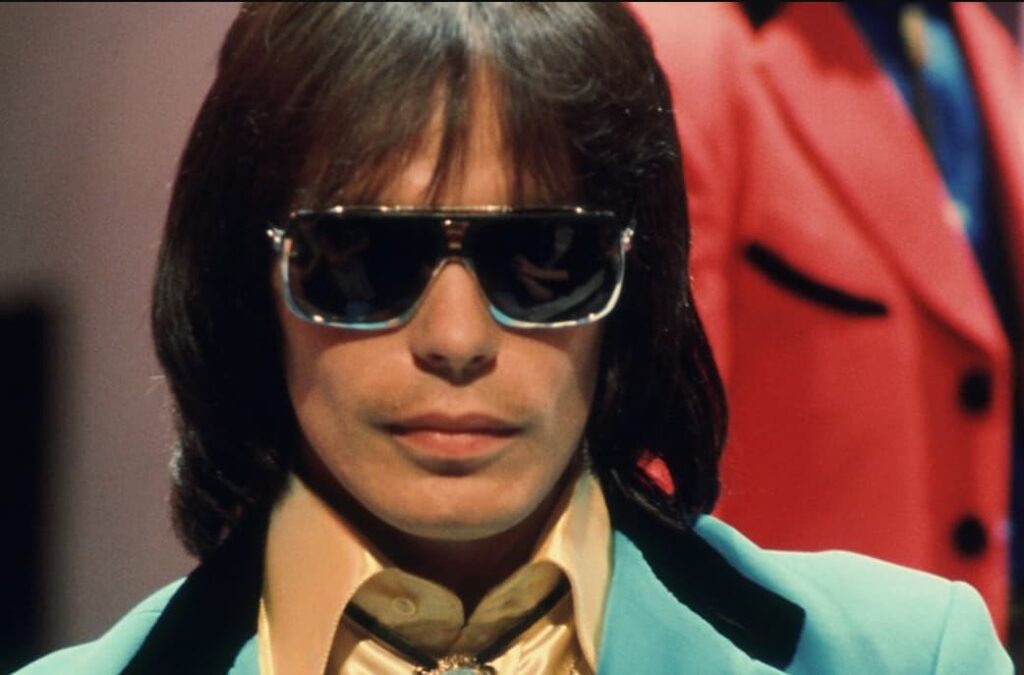
A Quiet Cry from the Shadows: When Words Fail, the Heart Speaks in Silence
Released in the early 1980s, “Incommunicado” by Dave Bartram, the unmistakable voice of Showaddywaddy, stands as one of those understated gems that never chased the spotlight yet quietly found its way into the hearts of attentive listeners. Though it did not storm the upper tiers of the UK Singles Chart, its modest chart presence—hovering outside the major Top 40—belies a deeper emotional resonance that has endured far longer than many chart-topping hits of its time.
At that point in his career, Dave Bartram was already well known as the charismatic frontman of Showaddywaddy, a band that had built its reputation on energetic rock ’n’ roll revivalism throughout the 1970s. However, “Incommunicado” revealed a more introspective side of Bartram, stepping away from the upbeat nostalgia of earlier hits like “Under the Moon of Love” and into a more reflective, almost melancholic territory. This shift, while subtle, marked an important artistic moment—one where performance gave way to personal expression.
The title itself, “Incommunicado”, carries a weight that is immediately felt. Borrowed from a term meaning “unable or unwilling to communicate,” the song unfolds as a quiet meditation on emotional distance—those moments in life when words fail, when connections fray not through conflict, but through silence. Bartram delivers the lyrics with a restrained sincerity, avoiding melodrama and instead embracing a kind of weary honesty that feels deeply human.
Musically, the arrangement is gentle and unassuming. There is no grand orchestration here, no dramatic crescendos. Instead, the song leans on a soft, steady rhythm, allowing Bartram’s voice to carry the emotional burden. It is precisely this simplicity that gives “Incommunicado” its lasting power. One is reminded of late evenings, when the world quiets down and memories—both sweet and painful—begin to surface uninvited.
There has long been speculation among fans that the song reflects personal experiences from Bartram’s own life, possibly touching on the strains of constant touring and the emotional toll it takes on relationships. While Bartram himself has remained characteristically reserved about the song’s origins, this ambiguity only adds to its universality. It becomes less about a specific story and more about a shared human condition—the quiet drifting apart that so often goes unnoticed until it is too late.
Unlike many of the era’s hits, which were designed for radio immediacy, “Incommunicado” asks for patience. It is a song that reveals itself gradually, each listen uncovering new layers of meaning. Its significance lies not in commercial triumph but in emotional truth. In a decade often remembered for its bold sounds and flamboyant styles, this song chose a different path—one of introspection and subtlety.
Looking back, one might say that Dave Bartram achieved something quietly remarkable with this recording. He captured a feeling that is difficult to articulate, giving voice to silence itself. And perhaps that is why “Incommunicado” continues to linger, long after the final note fades—a gentle reminder that sometimes, the most profound conversations are the ones that never quite find their words.
For those willing to listen closely, it is not just a song, but a moment—frozen in time, waiting to be felt again.