
A Song About Loving What You Can Never Truly Have
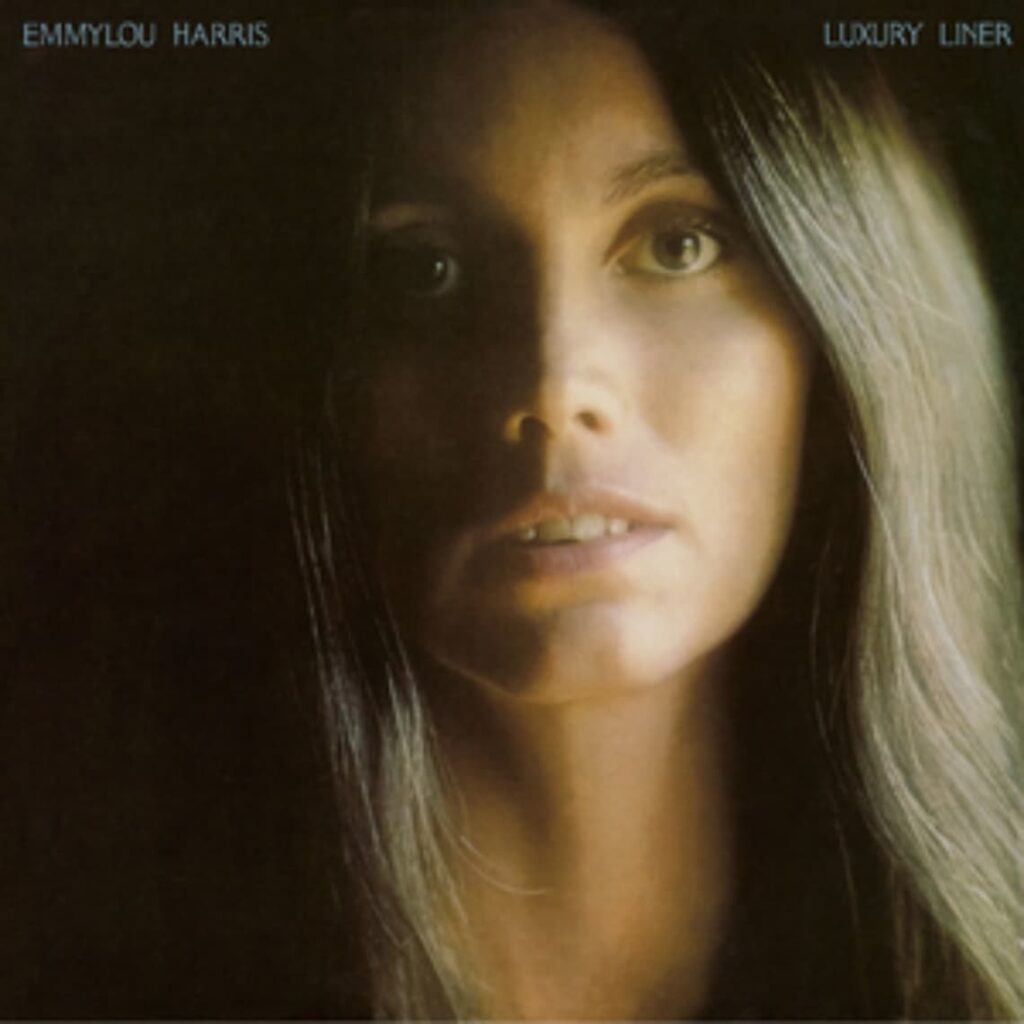
When “Making Believe” was first released in 1955, it rose to No. 5 on the Billboard country chart in the hands of Kitty Wells, becoming one of the most quietly devastating country recordings of its era. Written by Jimmy Work, who had recorded his own version earlier that year, the song found its most enduring voice through Wells, whose restrained delivery turned simple words into something timeless. Decades later, when Emmylou Harris chose to record “Making Believe” for her 1977 album Luxury Liner, she was not merely reviving an old country standard. She was stepping into a lineage of heartbreak that stretched back to the honky tonks of the 1950s and carrying it forward with her own luminous ache.
By the time Harris recorded it, she had already established herself as one of country music’s most reverent modern interpreters of tradition. Luxury Liner, released in 1977, reached No. 4 on the Billboard Top Country Albums chart, affirming her stature as a guardian of classic country songwriting. Her version of “Making Believe” was not issued as a major standalone single, yet it resonated deeply within the album’s emotional architecture. Where Wells’ interpretation carried the quiet dignity of a woman confronting loss, Harris’ performance felt suspended in twilight, reflective, almost fragile. Her crystalline soprano did not overpower the lyric. Instead, it seemed to hover above it, as if afraid that too much force would shatter the illusion the song describes.
At its core, “Making Believe” is about self deception as survival. The narrator knows the truth. The loved one belongs to someone else. The future she once imagined will never arrive. Yet she chooses to “make believe” because that illusion is gentler than the finality of acceptance. This is not youthful melodrama. It is the weary confession of someone who understands that sometimes fantasy is the only refuge left. Country music has always excelled at articulating emotional realities that polite conversation avoids. In this song, there is no bitterness, no dramatic confrontation. Only quiet endurance.
The language is simple, almost conversational. “Making believe that you still love me.” The repetition reinforces the cycle of hope and disappointment. Each line circles back to the same truth: the heart continues even when reason has already surrendered. When Harris sings those words, she does not embellish them. She allows space between phrases, letting the steel guitar weep softly around her. That arrangement, rooted in traditional country instrumentation, anchors the performance in authenticity. There is no theatrical flourish. Only restraint.
It is important to remember that by the late 1970s, country music was shifting. The Nashville Sound had softened many of the genre’s rough edges in the 1960s, and outlaw country was challenging polish with grit. Harris managed to stand between those currents. With Luxury Liner, she reaffirmed the enduring power of classic songwriting. By revisiting “Making Believe”, she reminded listeners that heartbreak does not age. The circumstances may change, but the emotional vocabulary remains the same.
There is also something profoundly human in the song’s acceptance of longing without resolution. Many love songs promise reunion or redemption. “Making Believe” offers neither. It offers honesty. It admits that sometimes life does not bend toward our desires. The plans we make do not unfold as imagined. Yet love lingers. Memory lingers. And so we construct a private world where what is lost still feels near.
In Harris’ interpretation, that private world feels almost sacred. Her voice carries both vulnerability and quiet strength. She does not portray the narrator as weak. Instead, she presents her as someone who understands the cost of loving deeply. The cost is not always dramatic. Sometimes it is simply the quiet act of carrying on, holding close what can never be held in reality.
More than half a century after its first chart appearance, “Making Believe” continues to resonate because it speaks to a universal experience. It captures the space between hope and acceptance, between memory and truth. In the hands of Emmylou Harris, the song becomes not only a tribute to classic country but also a meditation on the endurance of feeling. It reminds us that even when reality is unyielding, the heart still finds ways to dream.
 Oldies Songs
  Oldies Songs