
“What Endures Is What Matters”: A Song About Life’s Quiet, Reliable Truths
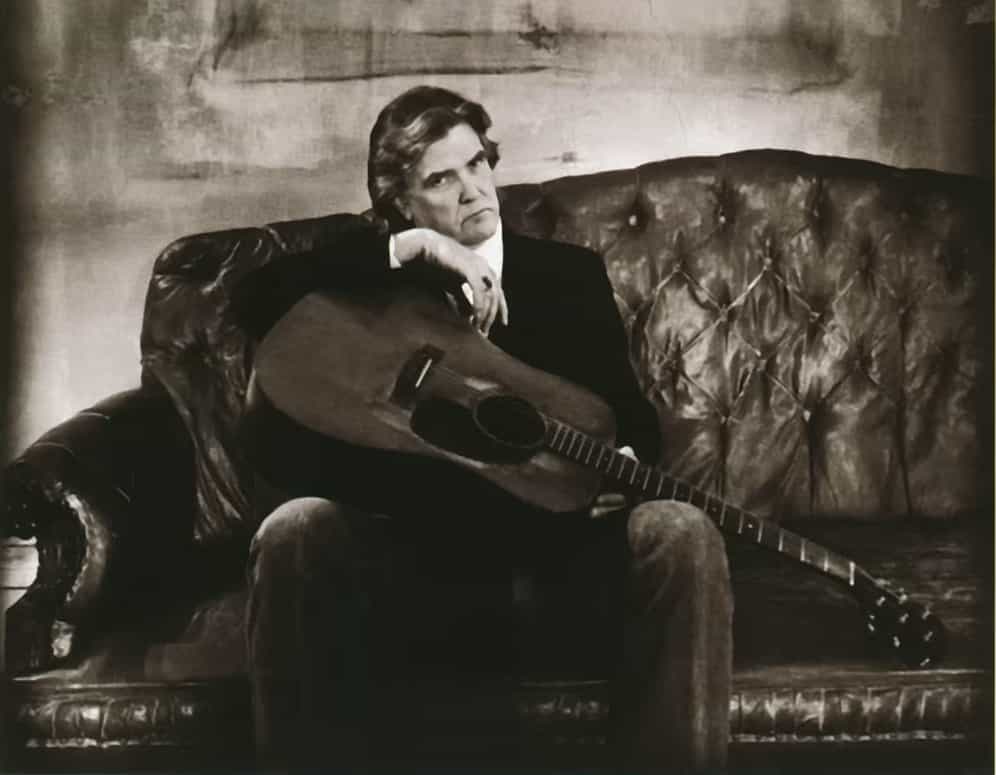
Released in 1995 on the album Dublin Blues, “Stuff That Works” stands as one of the most quietly profound songs in the catalog of Guy Clark. Co written with Rodney Crowell, the song did not chase radio success, nor did it register as a charting single upon release. Yet its parent album, Dublin Blues, reached No. 12 on the Billboard Top Country Albums chart, confirming Clark’s enduring relevance at a time when mainstream country music was rapidly changing. More importantly, the song secured something far rarer than chart placement: a permanent place in the hearts of listeners who value truth over trend, substance over shine.
By the mid 1990s, Guy Clark was already recognized as a songwriter’s songwriter, revered within the Texas and Outlaw Country tradition for his unadorned honesty and literary precision. “Stuff That Works” emerged during a reflective phase of his life, shaped by personal losses, aging, and a growing skepticism toward anything loud, fast, or disposable. Alongside longtime friend Rodney Crowell, Clark distilled those feelings into a song that reads less like a composition and more like a quiet conversation at the end of a long day.
At its surface, the song is built on simple images: an old blue shirt that still fits just right, a pair of boots worn smooth by years of honest walking, a car that starts every morning without complaint, and friends who show up when it matters. These are not poetic metaphors in the traditional sense. They are lived objects, familiar to anyone who has spent a lifetime accumulating memories rather than possessions. What Clark understood, and what the song articulates with remarkable restraint, is that reliability itself becomes sacred over time.
The deeper meaning of “Stuff That Works” lies in its contrast. Clark gently sets the enduring against the disposable, the proven against the fashionable. In a world increasingly obsessed with novelty, the song reminds the listener that most things that last were never designed to impress. They were designed to function, to endure wear, to forgive neglect, and to remain faithful even as everything else changes. This philosophy applies not only to objects, but to people, relationships, and values.
Musically, the arrangement is understated, almost deliberately modest. Acoustic guitar, subtle rhythm, and Clark’s weathered voice are given space to breathe. There is no attempt to elevate the song with production tricks or dramatic crescendos. That restraint mirrors the song’s message. Nothing here is trying too hard. Everything simply works. Clark’s voice, roughened by years and experience, carries an authority that no polish could improve. It is the sound of a man who has tested life and learned which parts are worth keeping.
Within Guy Clark’s body of work, “Stuff That Works” represents a culmination of his storytelling approach. Unlike narrative ballads with clear beginnings and endings, this song functions more like a ledger of values. Each verse adds another item to an unwritten list of things that matter once illusions fall away. There is wisdom here, but it is never preached. Clark offers observations, not instructions, trusting the listener to recognize their own life reflected in the details.
The song’s legacy has grown steadily over time, particularly among musicians, writers, and listeners who find comfort in music that respects their intelligence and experience. It has been covered and referenced often, not because it is flashy, but because it speaks a universal truth that becomes clearer with age. When applause fades and fashion moves on, what remains is what works.
In the end, “Stuff That Works” is not about nostalgia for the past, but about clarity in the present. It affirms that a life well lived is built not on grand gestures, but on dependable things and people that quietly hold us together. In that sense, the song is less a lament and more a calm acknowledgment. After everything else has been tried, tested, and discarded, there is deep peace in knowing what lasts.