
When Love and Loss Shaped a Voice That Still Breaks Hearts
On June 6, 1966, Roy Orbison’s life changed forever. He and his wife Claudette were setting off on what was meant to be a carefree motorcycle holiday when a truck suddenly pulled out in front of her bike near Gallatin, Tennessee. Claudette was just 24 years old. She died in Roy’s arms an hour later. In a single afternoon, the woman who inspired his greatest joy and even his hit song “Oh, Pretty Woman” was gone.
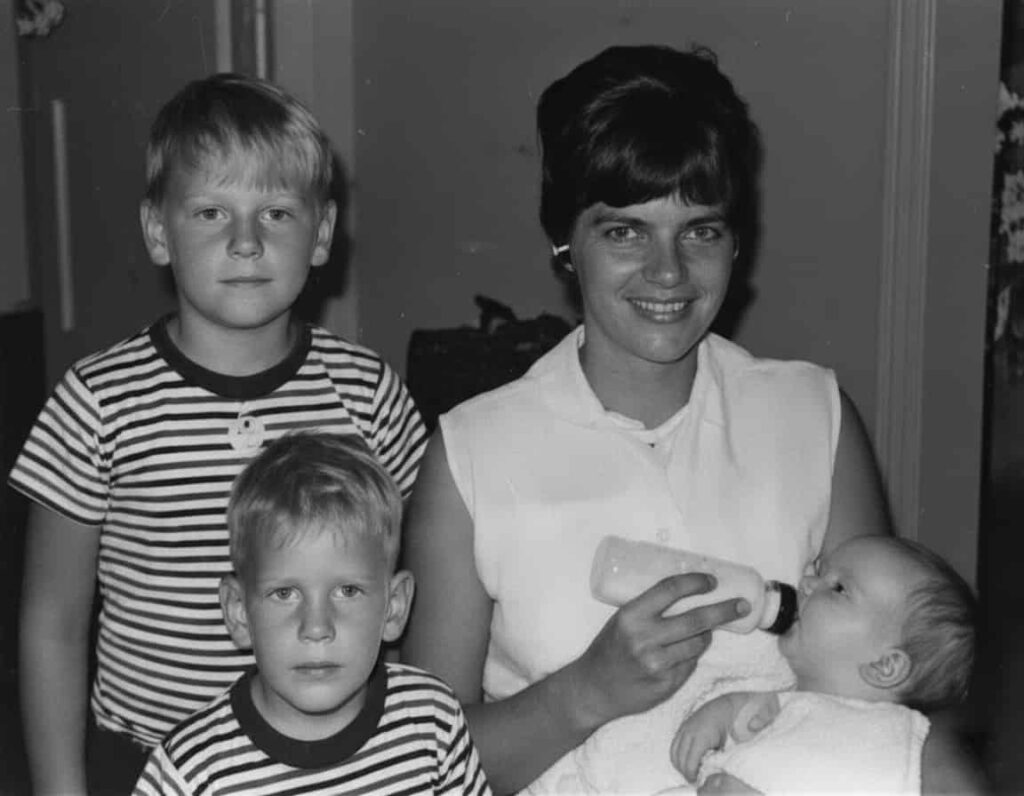
That devastating moment was only the beginning of a series of tragedies that would mark Orbison’s life and, quietly, his music. Two years later, on September 14, 1968, while Orbison was touring in England, his family home at Old Hickory Lake in Hendersonville, Tennessee, burned to the ground. In the fire, two of his three sons Roy Jr., born in 1958, and Anthony, born in 1962—lost their lives. His youngest son, Wesley, just three years old at the time, survived only because he was with his grandparents.
For a man whose voice already carried an uncommon ache, these losses deepened the emotional gravity that listeners around the world would come to recognize instantly. Orbison rarely spoke publicly about his pain, but it was there in the trembling vulnerability of his ballads, in the sense of longing that seemed to hang on every note.
Today, especially for older listeners who lived through those years, Roy Orbison’s songs are more than recordings. They are memories of love, of grief, and of a time when one man’s broken heart found a way to sing for millions.
 Oldies Songs
  Oldies Songs