
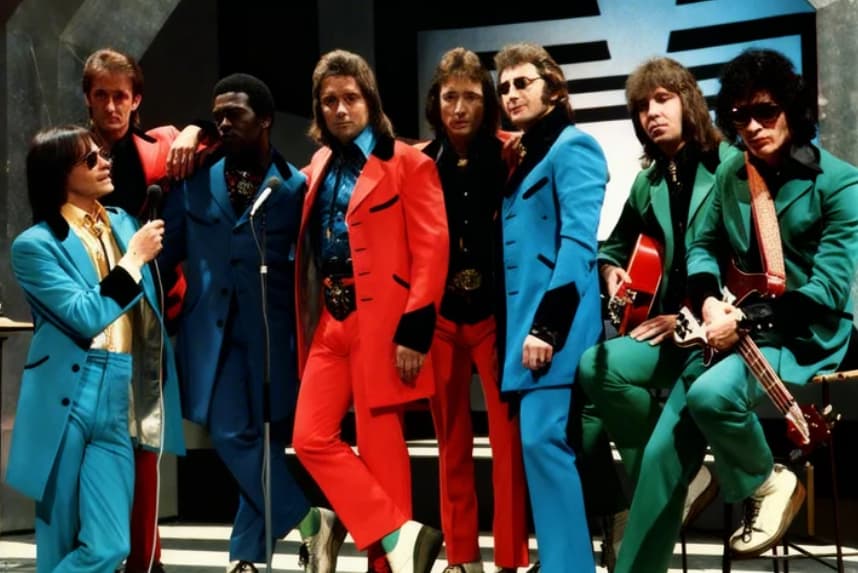
Showaddywaddy’s “Chain Gang” Performance Remains a Timeless Celebration of Harmony and Nostalgia
A remarkable performance of “Chain Gang” by Showaddywaddy from December 1980 continues to stand as a memorable example of the group’s enduring appeal and vocal talent. Featured on The Showaddywaddy Show, the rendition captured the band at a time when they were among the most recognizable revival acts in British popular music, blending classic rock and roll influences with polished stage presentation and strong vocal harmonies.
Originally made famous by the legendary singer-songwriter Sam Cooke, “Chain Gang” was already considered a beloved classic by the time Showaddywaddy brought their own interpretation to television audiences. Rather than simply recreating the original recording, the band infused the song with their signature style, combining nostalgic 1950s influences with the energy and professionalism that had become their trademark throughout the 1970s and early 1980s.
One of the most notable aspects of this performance is the vocal contribution of Buddy Gask, who takes the lead role on the song. Known for his warm and expressive voice, Gask was an essential part of Showaddywaddy’s sound. His performance on “Chain Gang” demonstrates both technical skill and emotional depth, qualities that helped distinguish the group from many of their contemporaries. The chemistry between Gask and fellow vocalist Dave Bartram is also evident, reflecting a partnership that played a significant role in the band’s success.
The arrangement itself remains refreshingly straightforward. Built around strong vocals, simple instrumentation, and carefully crafted harmonies, the performance highlights the musical strengths that made Showaddywaddy popular with audiences across generations. Their distinctive image, inspired by Teddy Boy fashion and classic rock and roll culture, added visual character while never overshadowing the music itself.
More than four decades after it was first broadcast, the performance continues to evoke a sense of nostalgia. For many, it recalls an era when vocal harmony groups occupied a unique place in popular music and television variety shows served as important showcases for live talent. The combination of heartfelt singing, polished musicianship, and an unmistakable sense of fun gives the recording a timeless quality.
Today, this version of “Chain Gang” is remembered not only as a tribute to Sam Cooke’s enduring legacy but also as a shining example of Showaddywaddy’s ability to honor classic material while making it distinctly their own. It remains a valuable snapshot of the group at their best and a fitting reminder of the talent of Buddy Gask, whose contribution to the band continues to be appreciated by music fans many years later.