
Ten Weeks on the Road: When Rock ’n’ Roll Met Reality
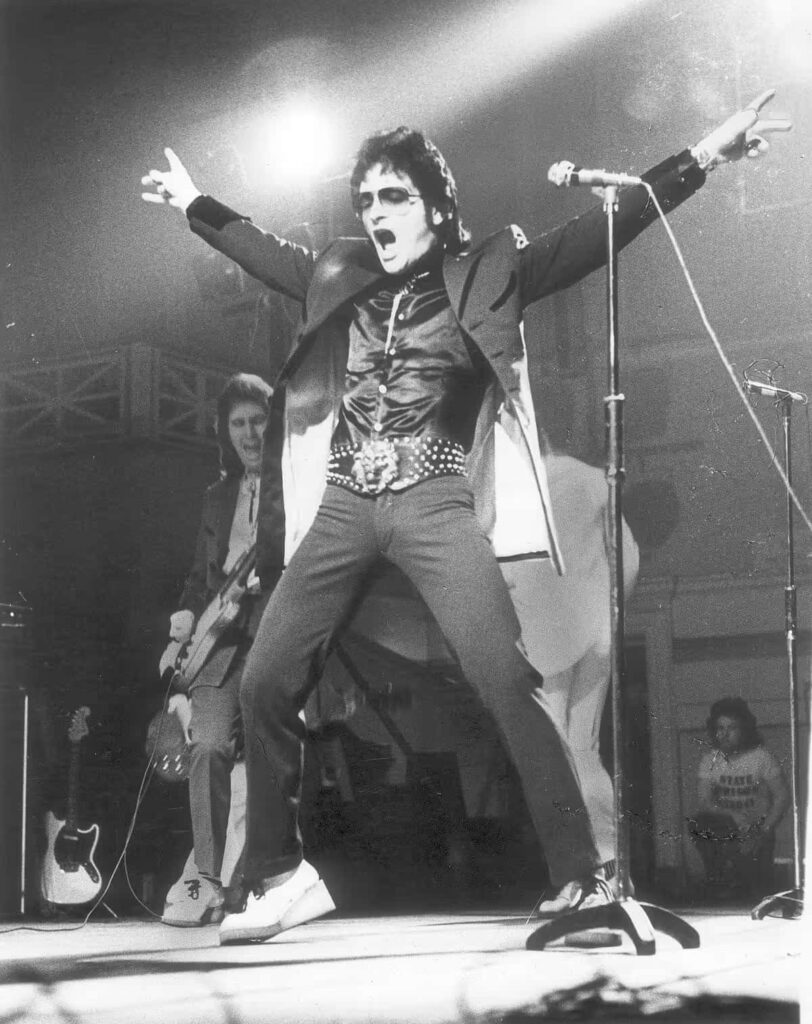
My name is Dave Bartram, and for 38 years I stood front and center as the lead singer of Showaddywaddy. The success we enjoyed in the 1970s is something I’ll always be proud of. Even decades later, the band was still out there performing, still bringing rock ’n’ roll to crowds across the UK. By 2005, I had long taken on another role—manager of the band—and it was in that role that I made a decision that would lead us into one of the most unforgettable tours of our lives.
It sounded simple enough at the time: 33 dates across a chain of holiday camps by the seaside. Accommodation included, decent pay, a chance to spend the summer near the coast—it felt like a good deal. I remember thinking, “Surely it can’t be that bad.” That was my first mistake.
What I didn’t realize was that we were about to leave the fast lane of professional touring and pull onto the hard shoulder of something far more unpredictable. This wasn’t just another tour—it would test every ounce of patience, resilience, and humor we had.
Our crew manager, Steve, certainly didn’t make things easier. He wasn’t what you’d call a “people person.” In fact, he barely tolerated anyone. Before I even arrived at each camp, I’d already be fielding complaints over the phone—apologizing for whatever trouble Steve had stirred up during load-in. And once we got there, we often found ourselves dealing with staff who weren’t exactly welcoming either. Long hours and bad attitudes made for a tense atmosphere, and it was clear from the start that this would be no holiday.
Still, the first night gave us hope. We arrived at a coastal site in Cumbria, and everything seemed surprisingly organized. The equipment was set up smoothly, the caravans—“prestige class,” we were told—looked acceptable, and the show bar filled up quickly that evening. When we hit the stage, the crowd was lively, the energy was there, and for a moment, it felt like we were back in familiar territory. We played a tight set, walked off sweating but satisfied, and allowed ourselves to believe that maybe this tour wouldn’t be so bad after all.
But life off stage told a different story.
The camps themselves were a far cry from the glamorous venues we were used to. By the time we reached Scotland, the reality had fully set in. The site in Ayr was rundown, cold, and bleak—nothing like the vibrant place we remembered from years before. The buildings were shabby, the air smelled of stale grease, and the food… well, the less said about that, the better. My attempts to stick to a healthy diet quickly fell apart when the only available options were greasy takeaway or flavorless imitations of proper meals.
And then there was the second show.
It started well enough—until, 20 minutes in, a piercing alarm cut through the music. Suddenly, staff were waving their arms, shouting for everyone to evacuate. Within seconds, the entire venue emptied into the cold night air. We stood outside, sweating from the performance, now freezing, surrounded by confused holidaymakers. Eventually, we learned it was just a kitchen fault—but the damage was done.
When we went back on stage, the magic was gone. The crowd was distracted, more interested in getting drinks than watching the band. The energy had shifted, and no matter how hard we tried, we couldn’t quite win them back. By the end of the night, what should have been a triumphant show felt like a struggle.
And that was only the beginning.
As I stood there, exhausted, I couldn’t help but think of my mother, back home in hospital. Visiting her before the tour had been emotional—seeing her light up when I walked into the room. Part of me wanted to stay, but she would have never allowed it. Being in a band is like being in a family—you don’t let each other down.
So we carried on.
Because that’s what you do in rock ’n’ roll. You keep going, no matter what.