
A Song Born from Betrayal, Transformed into a Triumphant Smile of Defiance and Renewal
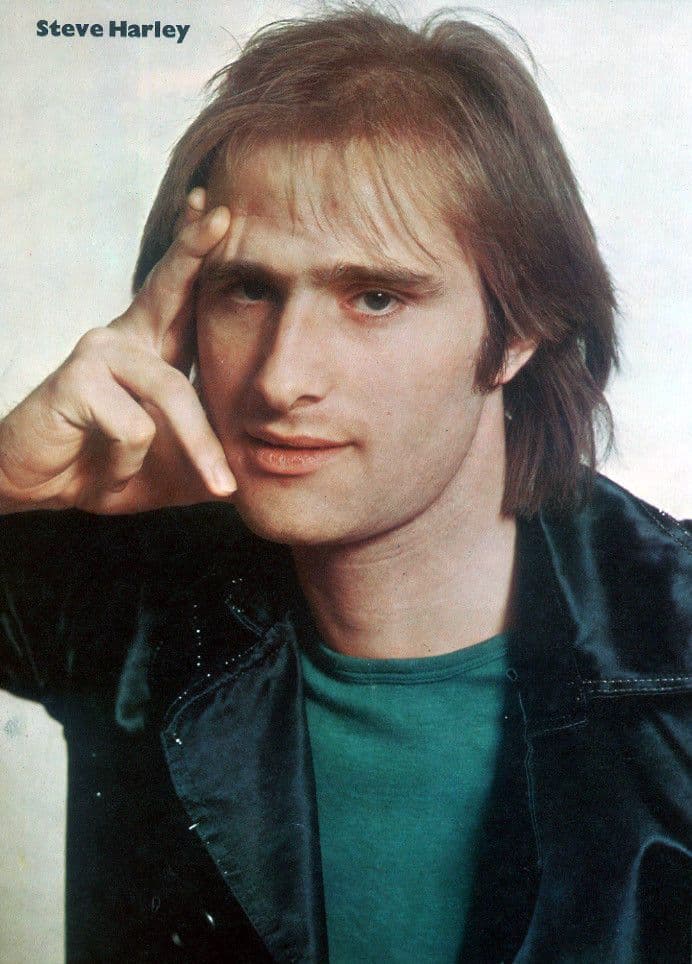
When Steve Harley & Cockney Rebel released “Make Me Smile (Come Up and See Me)” in 1975, few could have predicted that a song born out of conflict and personal betrayal would become one of the most enduring anthems of the glam rock era. Yet, almost instantly, it resonated with listeners across the United Kingdom, climbing to No. 1 on the UK Singles Chart in February 1975. It was a moment of vindication for Harley, both artistically and personally, marking a turning point in his career.
The song appeared on the album The Best Years of Our Lives, a record that captured a band in transition. Behind the polished melodies and theatrical delivery lay a turbulent story. Prior to recording, most of the original Cockney Rebel lineup had parted ways with Harley under strained circumstances. Financial disagreements and creative tensions had fractured the group. “Make Me Smile” was Harley’s response—not through bitterness, but through elegance, irony, and a certain poetic grace.
At first listen, the track feels almost playful, even whimsical. Its distinctive acoustic guitar introduction, followed by a swelling arrangement of violin and piano, gives it a lightness that masks its deeper emotional core. But beneath that melodic charm lies a lyrical narrative of disillusionment. Harley addresses former bandmates directly, reflecting on broken trust and misplaced loyalty. Lines that might seem cryptic at first reveal themselves, upon closer listening, as sharp yet dignified observations of betrayal. Rather than resorting to anger, he chooses a tone of calm superiority, suggesting that time—and success—would ultimately prove him right.
What makes “Make Me Smile” so remarkable is this contrast between tone and meaning. It is neither a lament nor a revenge song in the conventional sense. Instead, it feels like a quiet reclaiming of identity. Harley does not plead for reconciliation; he simply invites those who doubted him to “come up and see” what he has become. In that invitation lies both confidence and closure.
Musically, the track stands apart from many of its contemporaries. While the mid-1970s glam rock scene often leaned toward flamboyance and spectacle, Harley infused his work with a more introspective, almost literary quality. His vocal delivery—distinctive, slightly tremulous, yet undeniably expressive—adds layers of vulnerability to the performance. The orchestration, particularly the violin passages, elevates the song into something almost cinematic, giving it a timeless quality that transcends its era.
Over the years, “Make Me Smile (Come Up and See Me)” has remained a staple on classic rock radio, frequently revisited by listeners who find in it echoes of their own life experiences. Its message, though rooted in a specific moment of artistic conflict, speaks more broadly about resilience—the ability to move forward with dignity after disappointment. It reminds us that not every response to hardship needs to be loud or confrontational; sometimes, the most powerful statement is quiet confidence.
For many, the song evokes memories of a particular time—perhaps the mid-1970s, when music carried both rebellion and refinement, when artists like Steve Harley carved out unique spaces between mainstream appeal and personal expression. Hearing it again today, one might be transported back to those moments when a song on the radio could feel like a private conversation, offering comfort, understanding, or simply a knowing smile.
In the end, “Make Me Smile” is more than just a hit single. It is a testament to artistic perseverance, a reminder that even in the wake of fractured relationships, something beautiful—and lasting—can emerge. And perhaps that is why it continues to endure: not just as a piece of music, but as a quietly powerful statement of self-belief and renewal.