
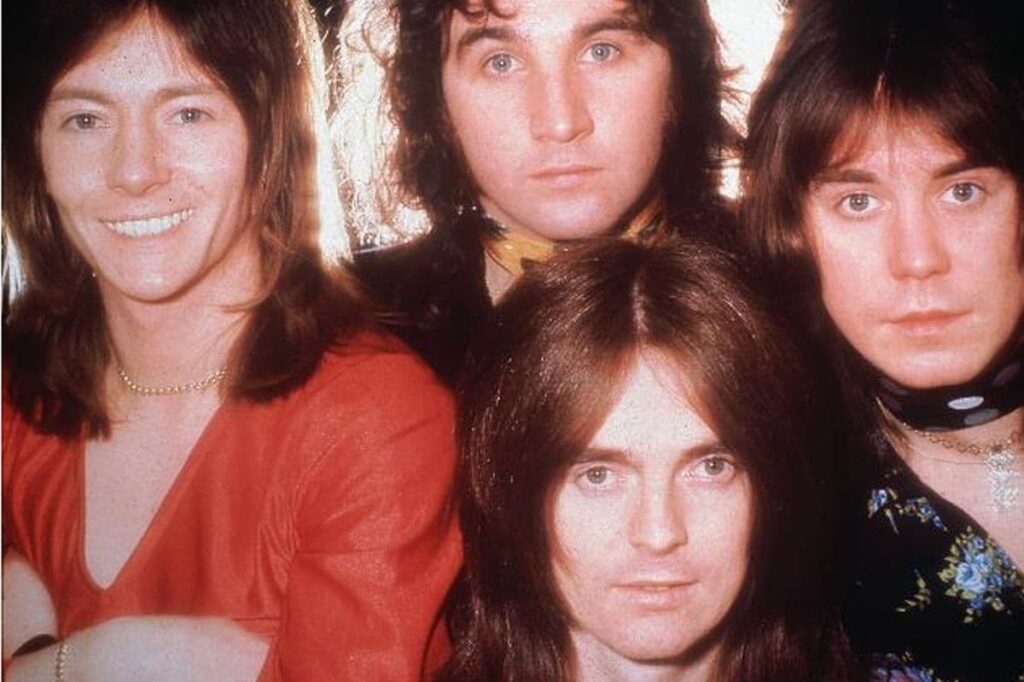
Smokie and “Living Next Door to Alice” Continue to Carry the Spirit of the 1970s
Few songs from the golden age of classic rock have preserved their emotional power quite like “Living Next Door to Alice” by Smokie. Released during the height of the band’s success in the 1970s, the song became an international phenomenon and remains deeply connected to memories of youth, romance, and simpler times.
Written by Nicky Chinn and Mike Chapman, the track combined Smokie’s soft rock sound with a bittersweet story about love and longing. Chris Norman’s unmistakable voice helped turn the song into one of the defining anthems of the decade. Across Europe and beyond, “Living Next Door to Alice” found a special place in the hearts of listeners who grew up during an era remembered for its carefree spirit and emotional connection to music.
In the former Soviet Union during the 1970s, Smokie and Chris Norman achieved extraordinary popularity. The song was widely recognized and associated with an unforgettable period of youthful happiness and romantic dreams. For many people, hearing the opening melody still brings back memories of a generation that embraced life with optimism and sincerity.
The lasting appeal of the song also reflects a broader admiration for music from the 1970s. Many continue to describe the decade as one of the greatest periods in music history, when songs carried strong melodies, heartfelt lyrics, and genuine emotion. It was a time before mobile phones and digital distractions became part of everyday life, allowing people to connect more closely with music, friendships, and shared experiences.
“Living Next Door to Alice” has endured not simply because of nostalgia, but because it captures a universal feeling of love, loss, and reflection. Decades after its release, the song still represents the warmth of unforgettable memories and the timeless joy that classic rock continues to provide.
For countless fans of 1970s music, Smokie’s classic hit remains more than just a song. It is a reminder of beautiful days, lasting emotions, and an era many still proudly celebrate as one of life’s happiest chapters.