
Sometimes the softest love songs say the deepest things — and “You And I” became one of country-pop’s most heartfelt promises, wrapped in warmth, devotion, and quiet maturity.
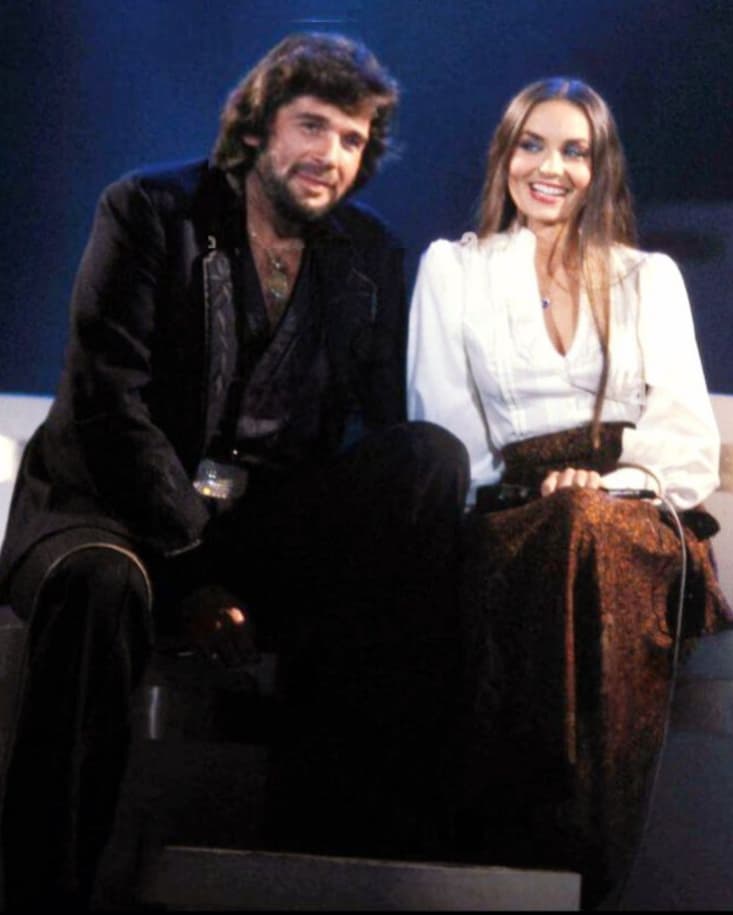
There are love songs that arrive with drama, heartbreak, or youthful passion. And then there are songs like “You And I” by Crystal Gayle and Eddie Rabbitt — songs that feel lived in. Songs that sound less like fantasy and more like two people sitting quietly at the end of a long day, grateful they found one another. Released in 1982, the duet became one of the defining adult contemporary hits of the early ’80s, crossing effortlessly between country and pop audiences at a time when both genres were beginning to embrace a softer, more polished emotional style.
The song was featured on Eddie Rabbitt’s album Radio Romance, and upon release, it quickly climbed the charts with remarkable strength. It reached No. 1 on the Billboard Hot Country Singles chart, while also peaking at No. 7 on the Billboard Hot 100 and No. 2 on the Adult Contemporary chart. Those numbers mattered because they reflected something larger than commercial success: the song connected deeply with listeners from very different musical backgrounds. Country fans embraced its sincerity, while pop audiences were drawn to its elegance and tenderness.
At the center of the song’s success was the chemistry between Crystal Gayle and Eddie Rabbitt. By the early 1980s, both artists were already established stars, but they carried very different emotional textures in their music. Crystal Gayle, with her smooth, almost velvet-like voice, had become known for sophisticated country-pop ballads like “Don’t It Make My Brown Eyes Blue.” Her singing always carried a sense of calm restraint — emotional, but never overpowering. Eddie Rabbitt, meanwhile, brought warmth and accessibility, balancing country roots with pop sensibilities in hits such as “I Love a Rainy Night” and “Drivin’ My Life Away.” Together, they sounded remarkably natural, as though the song had been waiting specifically for their voices to meet.
And perhaps that is why “You And I” has endured for so many decades.
Unlike many romantic duets that rely on grand declarations, this song speaks in quiet certainty. The lyrics are simple, but simplicity is often what lasts the longest. There is no desperation in the performance, no theatrical heartbreak, no complicated storytelling. Instead, the song celebrates emotional safety — the rare comfort of knowing someone truly belongs beside you. In many ways, it feels less like a beginning and more like a promise that survived the passing years.
That emotional maturity became one of the song’s greatest strengths. In the early 1980s, popular music was filled with glossy production, electronic experimentation, and changing trends. Yet “You And I” stood apart because it trusted stillness. The arrangement is soft and uncluttered, allowing the harmonies to breathe naturally. Even now, decades later, listening to the track feels like opening an old photograph album: not painful, not tragic — simply full of memory.
There is also an interesting story behind the recording itself. The duet was not initially conceived as a massive crossover smash. It was simply a beautifully written song that found the perfect emotional balance between its performers. But radio listeners immediately responded to the authenticity in their voices. Many duets sound carefully manufactured; this one sounded believable. That distinction mattered. Audiences could hear affection rather than performance.
Over the years, “You And I” became a favorite at weddings, anniversaries, and quiet moments between couples who had spent years building lives together. It was never merely a hit single. It became part of people’s personal histories. And that may explain why the song continues to resonate long after many flashier hits from the same era faded away.
For Crystal Gayle, the song reinforced her place as one of country music’s most graceful crossover artists. For Eddie Rabbitt, it showed another side of his artistry — gentler and more intimate than some of his upbeat country-pop successes. Together, they created something timeless without ever seeming to try too hard.
Listening to “You And I” today is a reminder that not every classic song needs dramatic tension to survive through generations. Some songs remain because they understand ordinary human tenderness better than anything else. And perhaps that is the real reason this duet still feels so moving after all these years: it speaks softly, but it speaks honestly.