
The Sound Of Heartbreak Before Rock And Roll Grew Loud
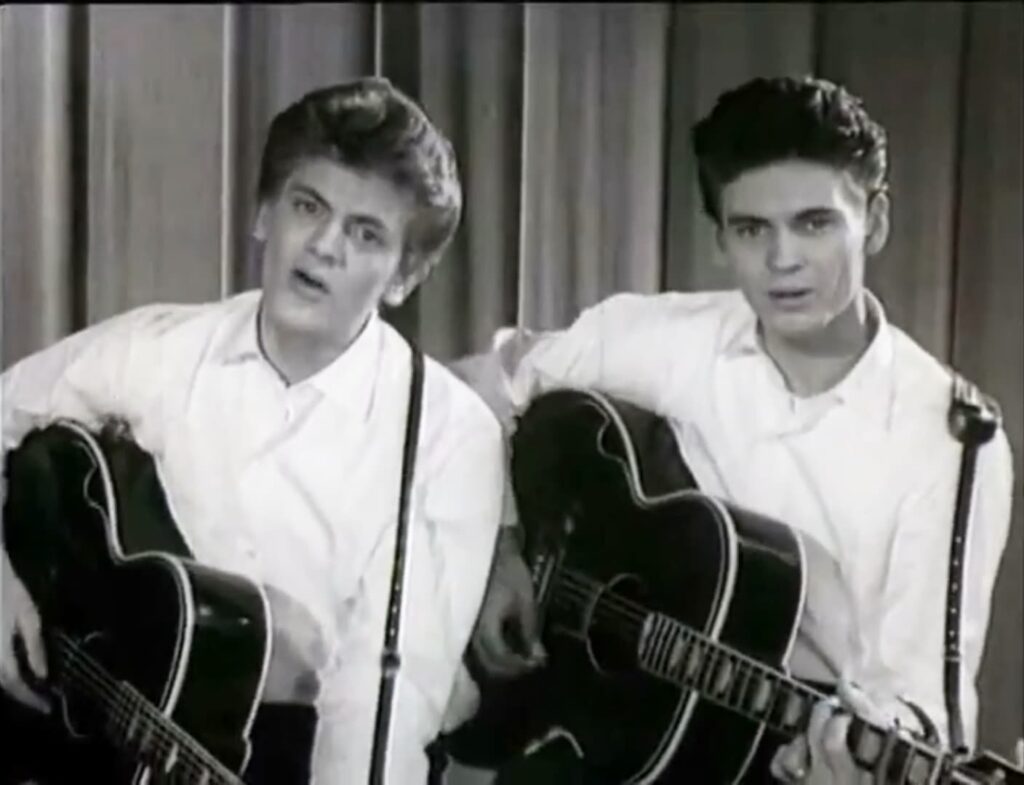
In 1958, while rock and roll was exploding with swagger and rebellion, The Everly Brothers quietly released a song filled with sorrow, regret, and emotional distance. “Long Time Gone” was never one of their biggest hits, yet it carries the haunting intimacy that made Don and Phil Everly so unforgettable. Their harmonies do not merely blend here. They ache.
The lyrics are simple, but devastatingly effective. A betrayed lover warns that once he walks away, he will not easily return. There is no anger in the delivery, no dramatic explosion. Instead, the brothers sing with a calm sadness that somehow cuts deeper than shouting ever could. That emotional restraint became one of the defining qualities of the Everly Brothers’ music and later influenced artists from The Beatles to Simon & Garfunkel.
What makes the recording especially moving is its loneliness. The gentle guitar, the space between the lines, and those close blood harmonies create the feeling of someone already halfway out the door emotionally. By the time they sing, “when I leave I’ll be a long time gone,” it sounds less like a threat and more like quiet resignation.
In many ways, songs like this revealed the deeper emotional side of early rockabilly and country-pop long before confessional songwriting became fashionable. The Everlys understood that heartbreak did not always need drama. Sometimes the saddest goodbye is the softest one.
Even today, “Long Time Gone” still feels timeless because nearly everyone has known the pain of loving someone who realized their worth too late. And few voices in music history could express that feeling more beautifully than the Everly Brothers.