
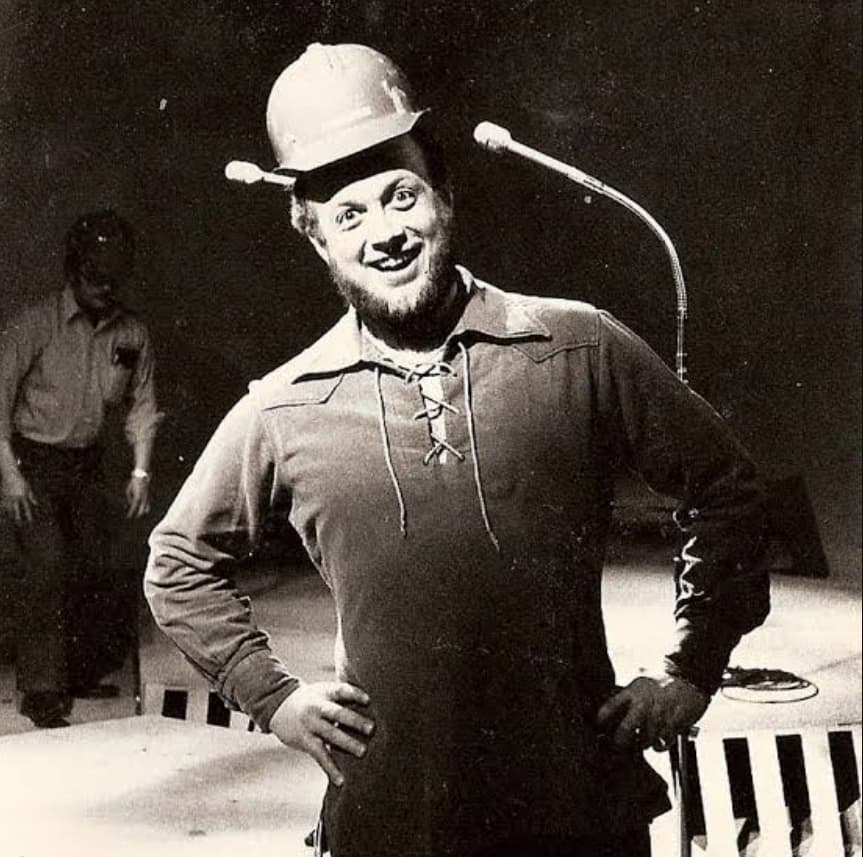
The Enduring Power of Stan Rogers’ “The Idiot”
More than four decades after its release, “The Idiot” remains one of the most compelling songs in the catalog of Canadian folk singer and songwriter Stan Rogers. Originally appearing on the landmark album Northwest Passage in 1981, the song tells a deeply human story about sacrifice, dignity, and the difficult choices people make when economic realities force them away from home.
At its heart, “The Idiot” follows a worker who leaves Canada’s Atlantic Provinces and moves west to Alberta in search of employment. Stan Rogers explained that the song was inspired by the migration of workers from Eastern Canada to Alberta during a period when factory closures and limited opportunities left many communities struggling.
What makes the song so powerful is its refusal to romanticize either side of that journey. The narrator does not describe Alberta as a paradise. Instead, he speaks of refinery dust, industrial landscapes, and the loneliness that comes with leaving behind familiar forests, rivers, and hometown memories. Yet he also finds pride in earning a living through his own labor and maintaining a sense of independence despite the hardships.
The emotional strength of “The Idiot” lies in that tension. It is a song about homesickness, but it is also about resilience. It acknowledges loss while celebrating perseverance. The narrator misses where he came from, but he refuses to surrender his self respect. That balance has allowed the song to resonate far beyond the specific economic conditions that inspired it.
Over the years, listeners have continued to connect with the song’s themes of hard work, personal responsibility, and the emotional cost of pursuing opportunity far from home. Many have described it as a moving portrait of workers who endure difficult conditions while carrying memories of the places they love. Others see it as a reflection on the compromises people make in order to build a future.
Today, “The Idiot” stands as more than a folk song. It is a timeless working class narrative that captures a universal experience. Whether heard as a story of migration, a meditation on freedom, or a tribute to personal determination, the song continues to speak to anyone who has ever left something precious behind in pursuit of a better life. More than forty years later, its message remains as relevant and moving as ever.