
Twenty Years After “Snowbird” Launched Her Career, Another Bird Carried Anne Murray Through One of the Final Great Chapters of Her Hit-Making Journey
Thirty-five years ago, Anne Murray proved that longevity in country music was more than just a dream. While many artists from her generation had already faded from the charts, Murray was still creating major hits, still filling concert halls, and still connecting with audiences through the warmth and sincerity that had defined her remarkable career.
Released on her twenty-fifth studio album, You Will, in 1990, “Bluebird” climbed into the Top 10 of the Billboard Country chart and became one of the standout songs from the later years of her recording career. Today, revisiting this live performance offers more than a nostalgic trip back in time. It captures a legendary artist at a moment when experience, confidence, and artistic maturity had come together in perfect balance.
At first glance, “Bluebird” may seem like a traditional love song. Yet the song’s deeper meaning reaches far beyond romance. Throughout North American folklore, the bluebird has long symbolized hope, freedom, healing, and the promise that brighter days lie ahead. That symbolism gives the song a quiet emotional power that continues to resonate decades later.
Unlike songs that focus on heartbreak or longing, “Bluebird” speaks to renewal. It is about finding light after darkness and believing that happiness can return even after difficult seasons of life. Perhaps that is one reason the song has remained meaningful for so many listeners over the years.
The timing of the song’s success makes its story even more remarkable.
By 1990, Anne Murray was already a music institution. She had spent more than two decades at the top of the industry, sold millions of records worldwide, and built a catalog filled with classics such as “Snowbird,” “Danny’s Song,” and “You Needed Me.” Conventional wisdom in Nashville often suggested that female artists faced increasing challenges receiving radio support as younger performers emerged.
Yet Murray continued to defy expectations.
At forty-five years old, she was still earning major country hits and introducing new music to a loyal audience. “Bluebird” became proof that authenticity and consistency could outlast changing trends.
The performance also reveals a fascinating evolution in Murray’s voice. The bright, youthful tone heard on her early recordings had gradually transformed into something richer and more textured. There is a depth in her delivery that comes only with experience. She no longer sounds like a young singer dreaming about life’s possibilities. Instead, she sounds like someone who has lived through enough triumphs and disappointments to fully understand the value of hope.
Perhaps the most beautiful aspect of the song is its connection to another bird that changed her life twenty years earlier.
In 1970, “Snowbird” introduced Anne Murray to the world and launched her international career. Two decades later, “Bluebird” emerged as one of the final major country hits of her chart-dominating era. The parallel is difficult to ignore.
One bird helped open the door.
Another helped bring a glorious chapter to a close.
Whether coincidence or not, the connection creates a poetic symmetry within one of country-pop’s most enduring careers.
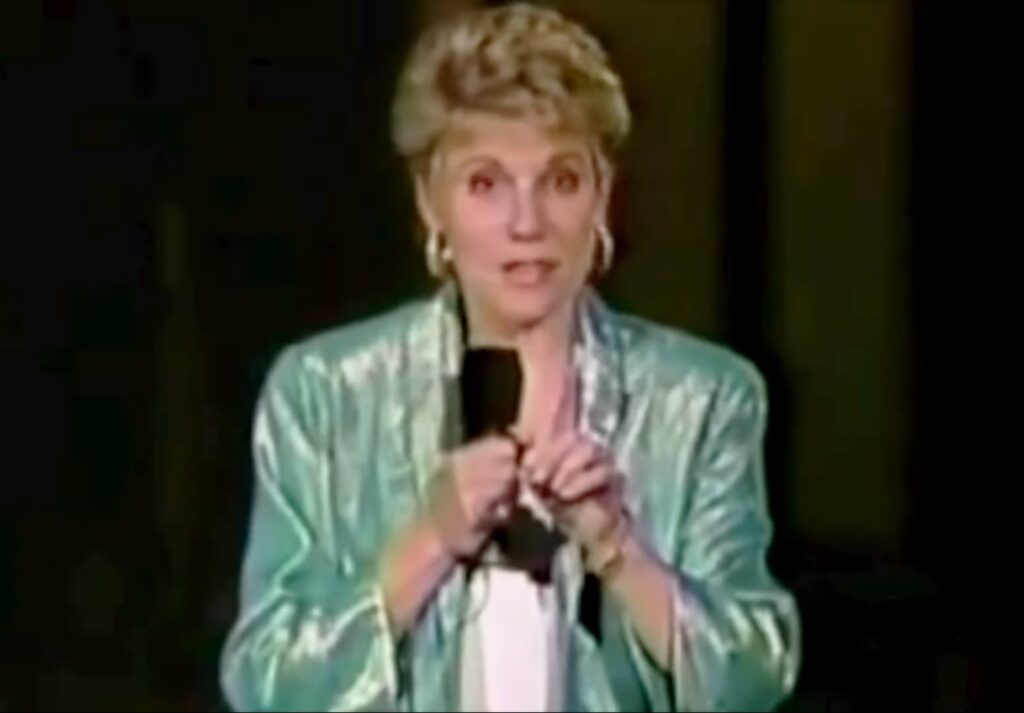
Watching this performance today carries an added layer of emotion. When the song was new, Murray was still actively recording, touring, and appearing regularly on radio and television. She was still writing new chapters in her story.
Now, following her retirement from performing, videos like this have become cherished time capsules. They preserve a moment when one of Canada’s most beloved voices was still standing under the spotlight, sharing songs that offered comfort, optimism, and reassurance.
More than three decades after its release, “Bluebird” remains a reminder that some of life’s most meaningful songs are not about falling in love or losing love. They are about finding the strength to believe that better days are waiting just ahead. And few artists delivered that message with more grace than Anne Murray.