
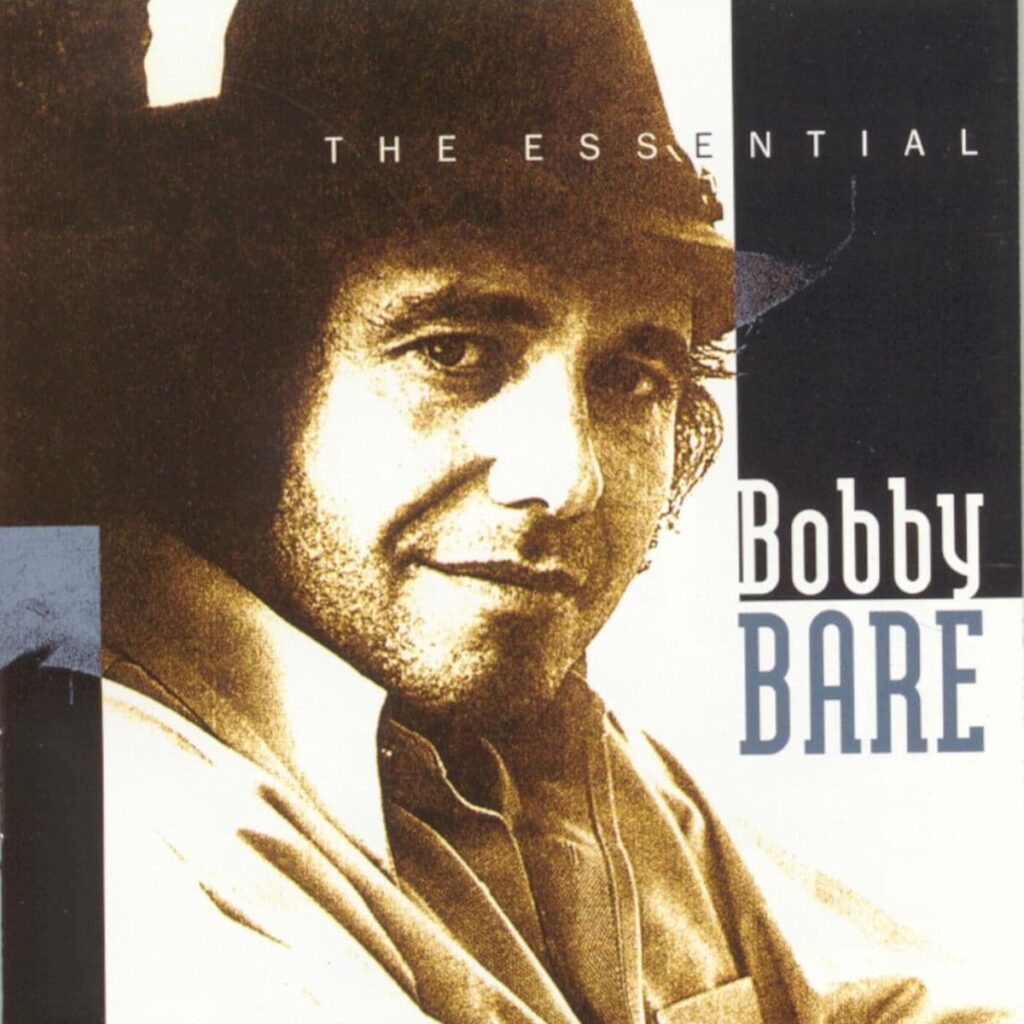
A Country Classic That Captured the Hidden Loneliness Behind the American Dream
When Bobby Bare released “Detroit City” in 1963, he gave country music one of its most enduring portraits of homesickness, sacrifice, and the emotional cost of chasing opportunity. More than sixty years later, the song remains powerful because its story feels timeless. Beneath its simple melody lies the experience of countless people who left home believing they were moving toward a better future, only to discover that success means very little when the people and places they love are left behind.
Featured on the album Detroit City and Other Hits, the song quickly became one of the defining recordings of Bobby Bare’s career. Although officially titled “Detroit City,” many listeners came to know it by its unforgettable opening sentiment: “I Wanna Go Home.” Those four words capture the entire emotional heart of the song.
At the height of Detroit’s industrial boom, thousands of workers traveled north seeking steady employment in the city’s automobile factories. “Detroit City” tells the story of one such man. During the day, he works hard and does everything expected of him. At night, however, the reality of his situation becomes impossible to ignore. Far from home and surrounded by strangers, he finds himself haunted by memories of the South he left behind.
What makes the song especially moving is its honesty about pride and loneliness. The narrator writes cheerful letters home, carefully creating the image of a successful life in the city. He wants his family to believe he is doing well. He wants them to think the sacrifice was worth it. Yet listeners hear the truth hidden beneath the surface. Behind the brave words and optimistic reports is a man counting his money and dreaming of the day he can finally buy a train ticket back home.
That emotional conflict gave the song an authenticity that resonated deeply with audiences. In the early 1960s, America celebrated mobility, opportunity, and economic growth. “Detroit City” quietly explored the other side of that story. It asked a simple but profound question: what happens when achieving a better life requires leaving behind the people who gave your life meaning in the first place?
One of the recording’s most distinctive features is Bobby Bare’s performance itself. His warm, expressive voice brings extraordinary humanity to the narrator’s struggle. Rather than exaggerating the emotion, Bare delivers the song with restraint, allowing the sadness to emerge naturally from the story. That approach makes the heartbreak feel even more real.
The record also stands out because of its spoken-word section, an unusual element for a mainstream country hit at the time. In the middle of the song, Bare shifts from singing into a reflective narration, drawing listeners even deeper into the character’s thoughts. The effect feels less like a performance and more like a personal confession. It is one of the reasons the recording remains so memorable decades later.
Looking back today, “Detroit City” feels even more significant because its themes continue to resonate. The setting may be the factory towns of the 1960s, but the emotions are universal. People still leave home for jobs, opportunities, and dreams. They still tell loved ones everything is going well. And many still discover that success can sometimes feel surprisingly lonely.
For many listeners, that is why the song endures. It is not merely a story about Detroit. It is a story about longing. It is about the distance between where life takes us and where our hearts wish to be.
More than six decades after its release, Bobby Bare’s “Detroit City” remains one of country music’s most poignant reminders that sometimes the greatest dream is not reaching somewhere new. Sometimes it is simply finding the way back home.