
A Chance Meeting, A Heated Confrontation, And The Songs That Changed Country Music Forever
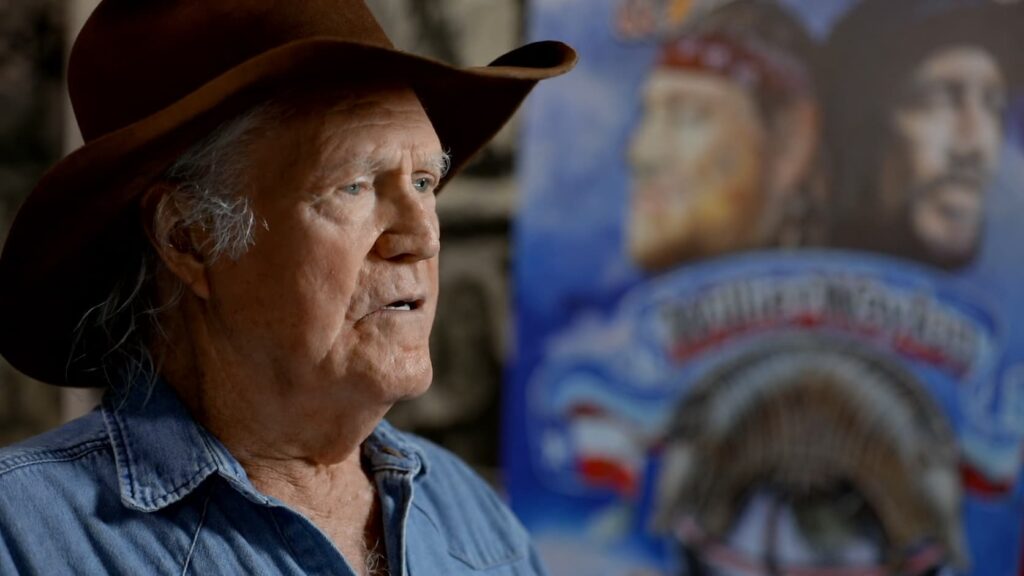
In one of the most colorful stories from country music’s outlaw era, Billy Joe Shaver once recalled how a chance encounter, a series of broken promises, and even a direct threat eventually led to one of the most celebrated collaborations in country music history. The result was Waylon Jennings’ landmark 1973 album Honky Tonk Heroes, a record that helped redefine the sound and spirit of modern country music.
Shaver first met Waylon Jennings at the famous Dripping Springs Fourth of July Picnic in Texas, an event that brought together an unlikely mix of musicians, hippies, cowboys, and country stars. Sitting inside a small trailer, Shaver began performing his song “Willy the Wandering Gypsy and Me.” Before long, Jennings emerged from the back of the trailer, captivated by what he was hearing.
When Jennings asked who had written the song, Shaver replied that it was his own. Jennings immediately promised to record it and eagerly asked if there were more songs like it. Shaver assured him there were plenty. At the time, however, promises in the music business did not always turn into action.
Back in Nashville, Shaver found himself repeatedly trying to reach Jennings. Phone calls went unanswered. Meetings never happened. Weeks passed, and frustration began to replace excitement. Determined not to let the opportunity disappear, Shaver tracked Jennings down during a recording session at RCA Studios, the legendary room where Elvis Presley had often recorded.
What happened next became part of country music folklore.
According to Shaver, Jennings learned that he was waiting backstage and attempted to send him away with a folded $100 bill. Shaver refused. Instead, he sent a message back that left little room for misunderstanding. Moments later, Jennings emerged accompanied by two large bikers and demanded to know what Shaver wanted.
Shaver’s answer was simple. He did not ask for money. He did not ask for favors. He only wanted Jennings to listen to the rest of his songs. If Jennings refused, Shaver bluntly warned that he would settle the matter right there in front of everyone.
The confrontation could have ended badly. Instead, it became the turning point.
Jennings led Shaver into a private room and laid down a challenge. If one song impressed him, he would listen to another. If not, Shaver would leave and never return. Armed with nothing but his guitar and years of hard-earned songwriting, Shaver began playing.
One song became two. Two became three. Then came “Honky Tonk Heroes.”
As Shaver remembered it, Jennings slapped his knee and declared that he had to record the song. At that moment, the project that would become Honky Tonk Heroes was born.
The album would go on to become one of the defining records of the outlaw country movement. Filled with Shaver’s vivid portraits of drifters, dreamers, and broken-hearted survivors, it captured a raw honesty that resonated far beyond Nashville’s traditional boundaries.
Looking back, Shaver never hid his admiration for Jennings. Despite their disagreements and the occasional frustration during the recording process, he believed Jennings was the perfect voice for those songs. Shaver admitted that while he had written them, Jennings possessed the larger-than-life presence and vocal power needed to bring them fully to life.
More than fifty years later, the story remains a reminder that some of country music’s greatest moments were born not in boardrooms or business meetings, but through persistence, conviction, and a songwriter’s refusal to give up on his songs. Sometimes a classic album begins with a promise. Sometimes it begins with an argument. In the case of Honky Tonk Heroes, it began with both.
 Oldies Songs
  Oldies Songs