
Long Before They Became Legends, The Everly Brothers Turned “Lonely Weekends” Into a Joyful Showcase of Their Extraordinary Harmony.
Before they were inducted into the Rock and Roll Hall of Fame, before they inspired generations of artists from The Beatles to Simon & Garfunkel, Don and Phil Everly were simply two young brothers standing side by side with guitars in hand. Their performance of “Lonely Weekends” captures that remarkable period when effortless harmony, youthful confidence, and genuine musical chemistry made them one of America’s most exciting acts.
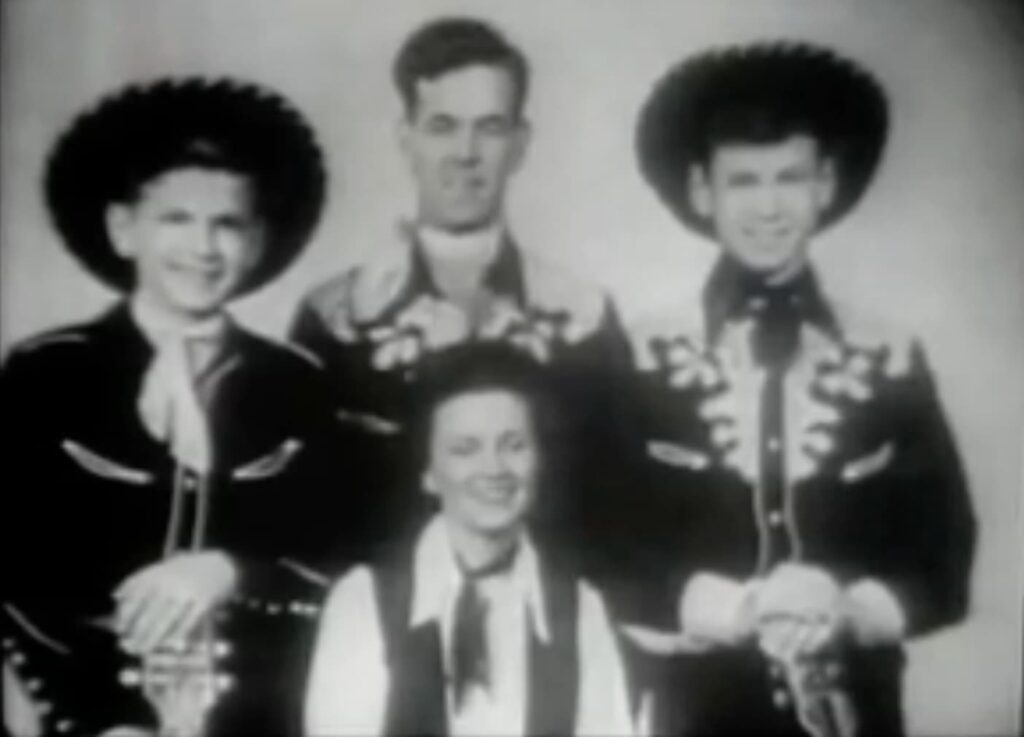
The introduction to the performance sets the tone perfectly. The host humorously credits their parents, Ike and Margaret Everly, both respected country musicians, for “retiring from show business” and leaving their sons to carry on the family tradition. The lighthearted remark drew smiles from the audience, but it also reflected an undeniable truth. Music was woven into the Everly family’s life long before Don and Phil became international stars.
Originally written and recorded by Charlie Rich in 1960, “Lonely Weekends” already carried the infectious blend of rock and roll, country, and rhythm and blues that appealed to a new generation of listeners. When The Everly Brothers performed the song, however, they transformed it into something uniquely their own. Rather than relying on flashy arrangements, they allowed their signature close harmonies to become the centerpiece of the performance.
From the opening verse, the brothers display the vocal blend that would define an era. Their voices move together with astonishing precision, sounding less like two separate singers than a single instrument divided into perfect harmony. That natural connection could never be manufactured. It came from a lifetime of singing together, beginning as children performing on their parents’ radio programs before ever stepping onto national television.
The song itself tells a familiar story of heartbreak and lonely weekends after love has faded away. Yet despite the melancholy lyrics, the performance feels remarkably uplifting. Don and Phil never exaggerate the sadness. Instead, they deliver the song with an easy confidence that reflects the optimism and energy of early rock and roll. Even when singing about lost love, they make it impossible not to smile.
Watching the performance today also offers a glimpse into a simpler era of popular music. There are no elaborate stage effects, dancers, or visual distractions. The spotlight remains exactly where it belongs, on two remarkable singers whose voices carried all the excitement an audience could ask for. Every harmony is delivered live, every phrase shaped by years of shared musical instinct rather than studio technology.
What made The Everly Brothers so influential was not only their commercial success but also the blueprint they created for countless vocal duos that followed. Their seamless harmonies became a direct influence on artists across country, folk, and rock music. Musicians who grew up listening to Don and Phil often spoke of trying to recreate that magical blend, yet very few ever matched its effortless beauty.
Performances like “Lonely Weekends” remind listeners why their music has endured for generations. The brothers never relied on spectacle or dramatic showmanship. Their greatest strength was authenticity. Every note reflected the bond of two siblings who understood each other’s voices instinctively, creating harmonies that continue to sound fresh more than six decades later.
Today, “Lonely Weekends” stands as more than an enjoyable television performance. It captures two young musicians at the height of their natural gifts, carrying forward a family tradition while unknowingly helping shape the future of popular music. Long before they became legends, The Everly Brothers proved that sometimes the most unforgettable sound in music comes from two voices singing as one.