
Two Brothers, Two Guitars, and the Harmonies That Changed Popular Music Forever
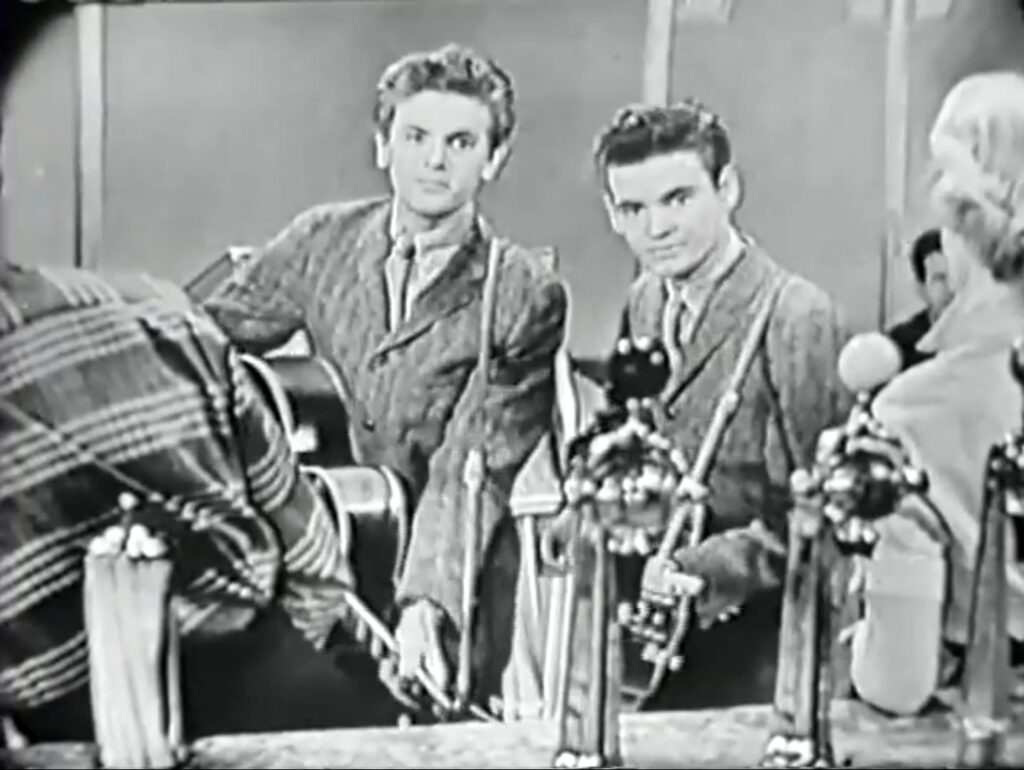
In 1958, The Everly Brothers were still in their teens, but they already sounded like artists who belonged to the future. When Don Everly and Phil Everly appeared on Patti Page’s The Big Record, they delivered a television performance that perfectly captured a moment when rock and roll was transforming American popular culture. Performing their hits “Wake Up Little Susie” and “Should We Tell Him,” the brothers demonstrated why their influence would reach far beyond the charts of the 1950s.
Dressed in matching suits and carrying their acoustic guitars, the duo projected a confidence that seemed effortless. Yet it was their extraordinary vocal blend that immediately commanded attention. Unlike most singing acts of the era, the Everlys did not rely on a traditional lead singer supported by background vocals. Instead, their voices intertwined so naturally that it often became impossible to tell where one brother ended and the other began. That distinctive sound would later inspire generations of artists, from folk-rock pioneers to country duos and classic rock bands.
By the time of this television appearance, “Wake Up Little Susie” had already become one of the defining songs of the young rock and roll era. Released in 1957, it topped multiple charts and sparked controversy for its playful story about two teenagers who accidentally fall asleep at a movie theater and wake up long after curfew. While some critics considered the subject matter too daring for the time, audiences embraced the song’s humor, energy, and unforgettable melody.
On The Big Record, the brothers transformed that familiar hit into something even more exciting. Their harmonies soared across the studio, creating a sound that felt polished yet spontaneous. There was an infectious enthusiasm in their performance, reflecting the optimism and youthful spirit that defined much of late-1950s America.
The transition into “Should We Tell Him” revealed another side of their artistry. Unlike many performers who depended heavily on outside songwriters, the Everlys were deeply connected to the songwriting traditions of country and rockabilly music. The song showcased their ability to blend heartfelt storytelling with rhythmic drive, creating a style that felt equally rooted in Nashville and the emerging rock scene.
Looking back today, this performance serves as more than a nostalgic television clip. It captures a pivotal moment when musical boundaries were beginning to disappear. The Everly Brothers combined country influences, pop melodies, and rock and roll energy into a seamless package that would become enormously influential in the decades that followed.
Many legendary groups later acknowledged their debt to the Everlys’ vocal approach. Their close harmonies became a model for countless artists seeking to create the same emotional power through two voices moving as one. What seemed effortless on stage was actually the result of years of singing together, shaped by family roots and an instinctive musical connection that few performers have ever matched.
More than sixty years later, this 1958 television appearance remains a remarkable time capsule. It preserves the sight of two young brothers standing beneath bright studio lights, armed with little more than guitars, songs, and extraordinary talent. In those few minutes, The Everly Brothers were not simply performing hit records. They were helping define the sound of modern popular music, one harmony at a time.