
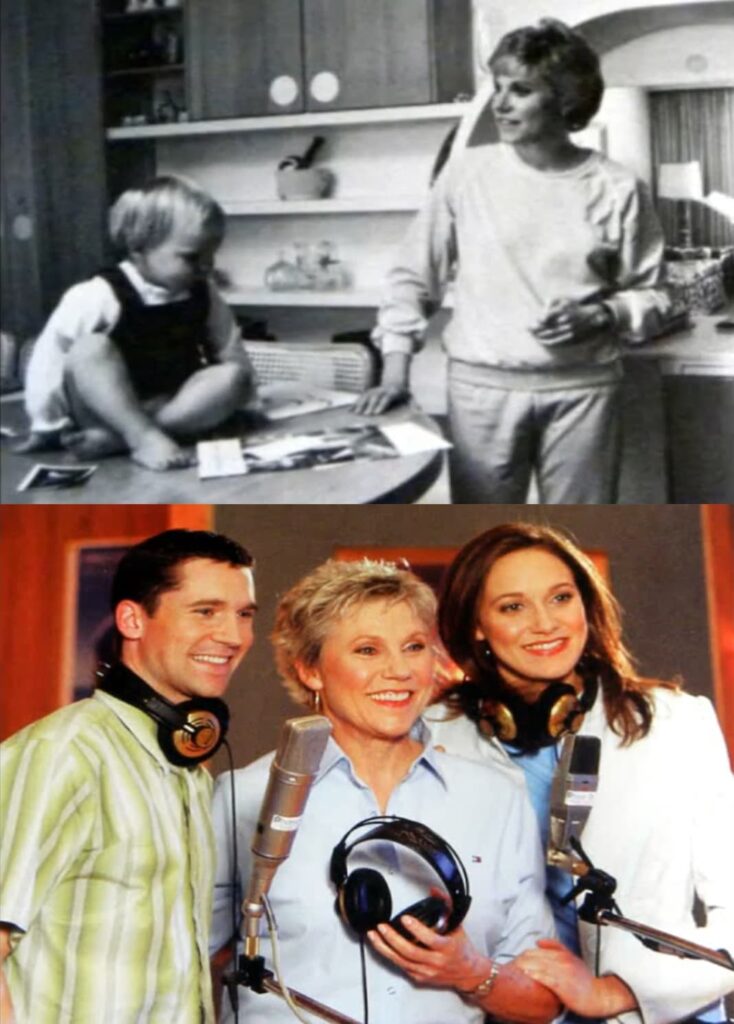
Long Before Modern Parenting Anthems Existed, Anne Murray Quietly Recorded One Of The Most Comforting Songs Ever Sung To A Child
In 1971, as the world was rapidly changing and popular music grew louder and more experimental, Anne Murray recorded something remarkably gentle.
Her version of “Child of Mine” was not designed to shock audiences or dominate headlines. It arrived softly, almost like a private conversation between a parent and a child. Yet over the years, the song became one of the most emotionally enduring recordings of her early career.
Featured on her acclaimed album Straight, Clean and Simple, and later included on the U.S. release Anne Murray that same year, the song showcased exactly why Murray’s voice connected so deeply with listeners across generations.
She sounded believable.
Written by legendary songwriting partners Carole King and Gerry Goffin, “Child of Mine” already carried emotional sincerity at its core. The lyrics offer reassurance, guidance, and unconditional love to a child growing up in an uncertain world. But in Anne Murray’s hands, the song became even more intimate.
She did not oversing it.
That restraint became her secret weapon.
While many vocalists approached emotional material with dramatic flourishes, Murray understood the extraordinary power of simplicity. Her warm contralto voice carried calmness, patience, and emotional honesty. Listening to her sing felt less like attending a performance and more like sitting beside someone who genuinely cared about what they were saying.
That quality transformed “Child of Mine” into something timeless.
The early 1970s marked an important period in Anne Murray’s career. Only a year earlier, she had exploded internationally with “Snowbird,” becoming one of the first Canadian female artists to achieve major crossover success in both country and pop music. Audiences were immediately drawn to her natural warmth and lack of pretension. She never projected glamour or distance. Instead, she felt familiar, approachable, and emotionally trustworthy.
Those qualities shine throughout “Child of Mine.”
The recording avoids heavy orchestration or excessive studio polish. Instead, the arrangement leaves space for the lyrics and Murray’s voice to breathe naturally. Every line feels thoughtful and deeply human. Rather than sounding like a commercial recording chasing radio success, the song unfolds like a heartfelt promise from one generation to the next.
And perhaps that is why it still resonates so strongly today.
Many listeners who first heard the song in the early 1970s were young parents themselves at the time. Decades later, those same people often return to the recording carrying entirely different emotions. Some now hear it as grandparents. Others remember loved ones no longer here. The song somehow evolves alongside the listener’s own life experience.
Very few recordings accomplish that.
Part of the emotional power also comes from Anne Murray’s remarkable ability to sound emotionally steady even while singing deeply vulnerable material. She never forced sentimentality. Instead, she allowed tenderness to emerge naturally through tone, phrasing, and sincerity.
That emotional authenticity became the foundation of her entire career.
Songs like “Danny’s Song,” “You Needed Me,” and “Could I Have This Dance” later solidified her reputation as one of music’s great interpreters of heartfelt material. But “Child of Mine” remains especially moving because it captures Murray at a moment when her artistry still felt wonderfully pure and understated.
Listening to the song now feels almost like opening an old family photo album.
The world inside the recording moves more slowly. The emotions are uncomplicated but profound. There are no distractions, no irony, no cynicism. Just love expressed carefully and honestly through music.
And perhaps that is why Anne Murray’s version continues to endure after so many years.
Because every person, no matter their age, still wants to believe someone once looked at them with that kind of unconditional care and quietly said: You will always be my child.