
David Cassidy: When Teen Idolatry Could Not Silence a Private Loneliness
As a specialist in the popular music culture of the 1960s, 1970s, and 1980s, I see David Cassidy as one of the clearest examples of how fame could elevate a performer to mythic status while quietly eroding the person behind the image. To millions, Cassidy was the golden boy of The Partridge Family, the charming face of a new kind of transatlantic teen stardom. Yet behind the posters, magazine covers, and screaming crowds stood a man shaped by emotional absence, family pressure, and a lifelong search for identity.
David Cassidy was born on April 12, 1950, in New York City, into a family already deeply rooted in show business. His father, Jack Cassidy, was a brilliant Broadway actor, while his mother, Evelyn Ward, was also a dedicated performer. From the beginning, David lived close to glamour, but far from stability. His parents’ divorce wounded him deeply, and his childhood unfolded in the shadow of two stars whose love for performance did not always translate into a secure home life. Later, when Jack married Shirley Jones, David became part of an even more visible entertainment dynasty. Yet for all that prestige, he often felt like an outsider struggling to measure up to a father he admired and feared.
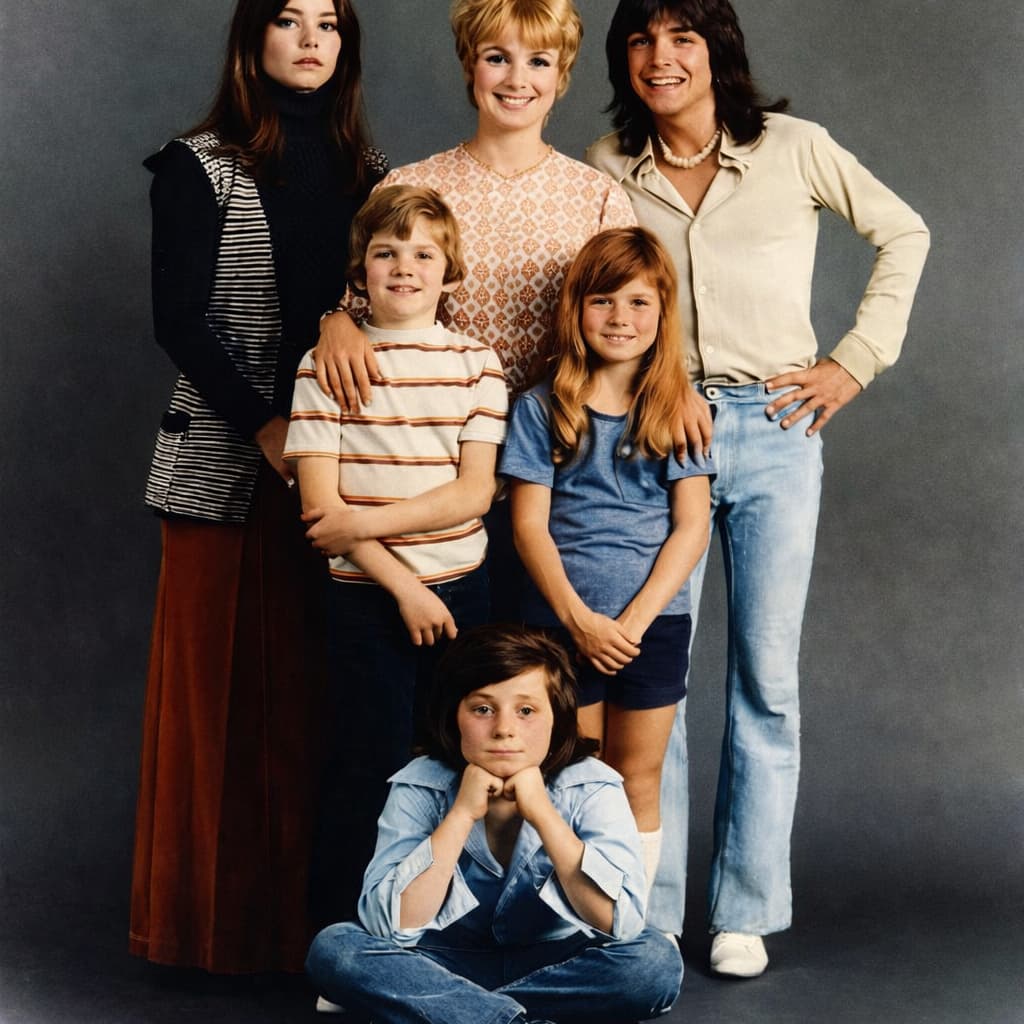
That emotional tension followed him into adulthood. In 1970, his life changed forever when he was cast as Keith Partridge in The Partridge Family, acting alongside his real-life stepmother Shirley Jones. The show became an international sensation, and the song “I Think I Love You” turned Cassidy into perhaps the most recognizable teen idol of the early 1970s. In the history of pop culture, he stands alongside figures such as Elvis Presley in the 1950s and the Beatles in the 1960s as an artist whose popularity exceeded ordinary celebrity and entered the realm of cultural obsession.
But this kind of fame carried a price. Cassidy was trapped inside an image of clean-cut innocence just as he was trying to be taken seriously as a real musician and adult performer. The hysteria surrounding him became unbearable, and the tragedy at a London concert in 1974, when a young fan died in the crush of the crowd, marked a turning point. From then on, fame no longer looked like a dream. It looked like a prison.
His personal life reflected the same instability. Marriages failed, alcohol took a growing hold on him, and his later years were marked by arrests, bankruptcy, and declining health. Yet perhaps the most revealing part of his legacy lies not on stage, but in his children, Katie and Bo. Katie Cassidy grew up at a distance from her father and turned that absence into resilience, grace, and self-reliance. Bo, raised much closer to David, inherited not only pieces of his father’s career but also the responsibility of preserving his memory. Together, they represent two different responses to the same complicated inheritance.
When David Cassidy died in 2017, his final words, “so much wasted time,” carried unusual emotional force. They were not merely the regret of a fading star. They were the confession of a man who had spent a lifetime loved by strangers yet still longing for peace at home. In the end, Cassidy’s story reminds us of a truth that runs through so much music history: applause may fill an arena, but it cannot repair a wounded heart.