
A Quiet Farewell in Rock Form – When Letting Go Becomes an Act of Strength and Clarity
Released in 1971 as part of the album Thirds, “Walk Away” by James Gang stands as one of the defining statements of early 1970s American rock—both musically and emotionally. Written and sung by Joe Walsh, the song reached No. 51 on the Billboard Hot 100, a modest chart position at first glance, yet its cultural resonance has far outlived its initial commercial impact. Over time, it has become one of the most enduring tracks in the band’s catalog, often cited as a precursor to Walsh’s later success with Eagles.
At its core, “Walk Away” is a song about emotional self-preservation—about recognizing when a relationship, whether personal or professional, has reached its breaking point. Unlike the dramatic heartbreak ballads of its era, this track carries a tone of weary acceptance rather than explosive sorrow. The narrator does not plead, nor does he rage. Instead, he chooses dignity. That quiet resolve is what gives the song its lasting power.
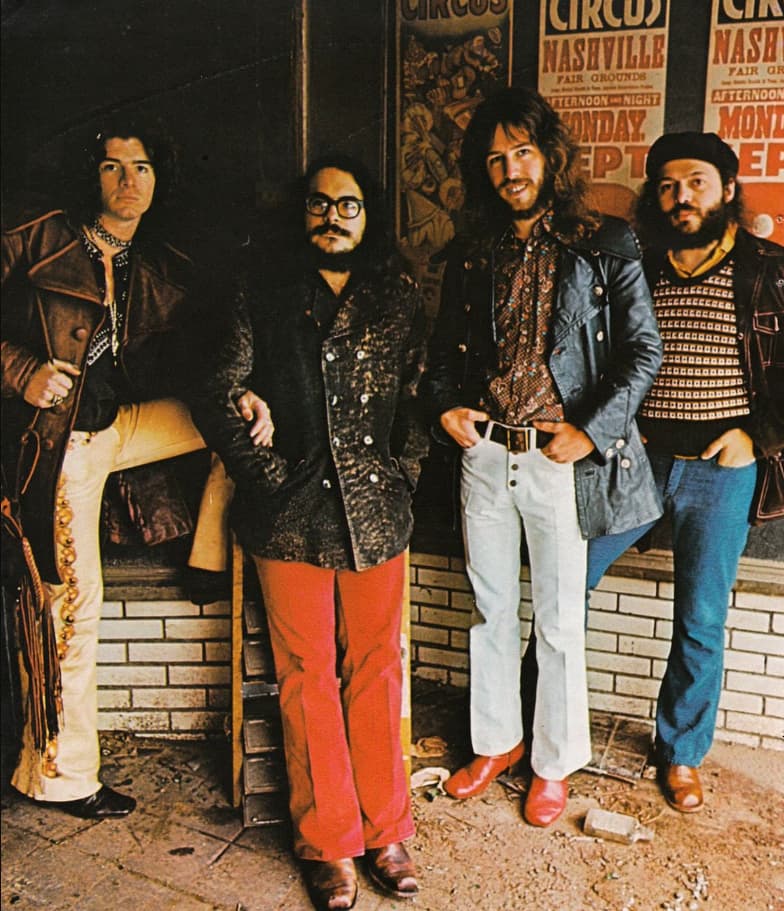
The story behind James Gang during this period adds another layer of meaning. By the time Thirds was recorded, tensions within the band were beginning to surface, particularly as Joe Walsh’s musical ambitions started to diverge from those of his bandmates. Not long after the album’s release, Walsh would leave the group, making “Walk Away” feel almost prophetic in hindsight—a subtle goodbye wrapped in a driving rock arrangement. It is difficult not to hear the song now as a personal statement, a moment where art and life quietly intersect.
Musically, the track is built around a tight, infectious guitar riff—one that feels both restless and controlled. Walsh’s guitar work is particularly noteworthy here: it doesn’t overwhelm the song, but instead serves as its emotional backbone. His tone is crisp, slightly gritty, and unmistakably human. There is a sense that every note has been considered, not for technical showmanship, but for emotional truth. The rhythm section, steady and unpretentious, allows the song to breathe, giving space for the lyrics to settle in the listener’s mind.
Lyrically, “Walk Away” avoids poetic excess. Its language is simple, almost conversational, yet deeply effective. Lines like “Seems to me that maybe / pretty much always means no” capture the ambiguity and quiet disappointment that often accompany the end of something once meaningful. There is no grand conclusion, no moral lesson spelled out—only the realization that sometimes the strongest choice is to leave.
In the broader landscape of early ’70s rock, a time when bands like Led Zeppelin and The Rolling Stones were exploring grandeur and excess, James Gang offered something more introspective with this track. “Walk Away” doesn’t seek to impress with scale; it resonates because it feels lived-in, honest, and unguarded.
Over the decades, the song has remained a staple of classic rock radio, and it continues to connect with listeners who understand its quiet message. It is not just a song about leaving someone behind—it is about reclaiming oneself in the process. That theme, subtle yet universal, ensures that “Walk Away” never truly fades.
Listening to it now, one cannot help but feel a certain stillness settle in—a reminder that sometimes, the most powerful words are the ones left unsaid, and the most meaningful journeys are the ones taken alone.