
A Timeless Lament Reimagined: Power, Politics, and Quiet Vulnerability in “Don’t Cry for Me Argentina”
Few songs in modern musical history carry the emotional and cultural weight of “Don’t Cry for Me Argentina.” Written by Andrew Lloyd Webber (music) and Tim Rice (lyrics) for the 1976 concept album Evita, the song first entered the public consciousness through Julie Covington, whose original recording would go on to reach No. 1 on the UK Singles Chart in 1977. It is a moment suspended in time—half confession, half public address—where political theater and personal longing blur into something almost unbearably human.
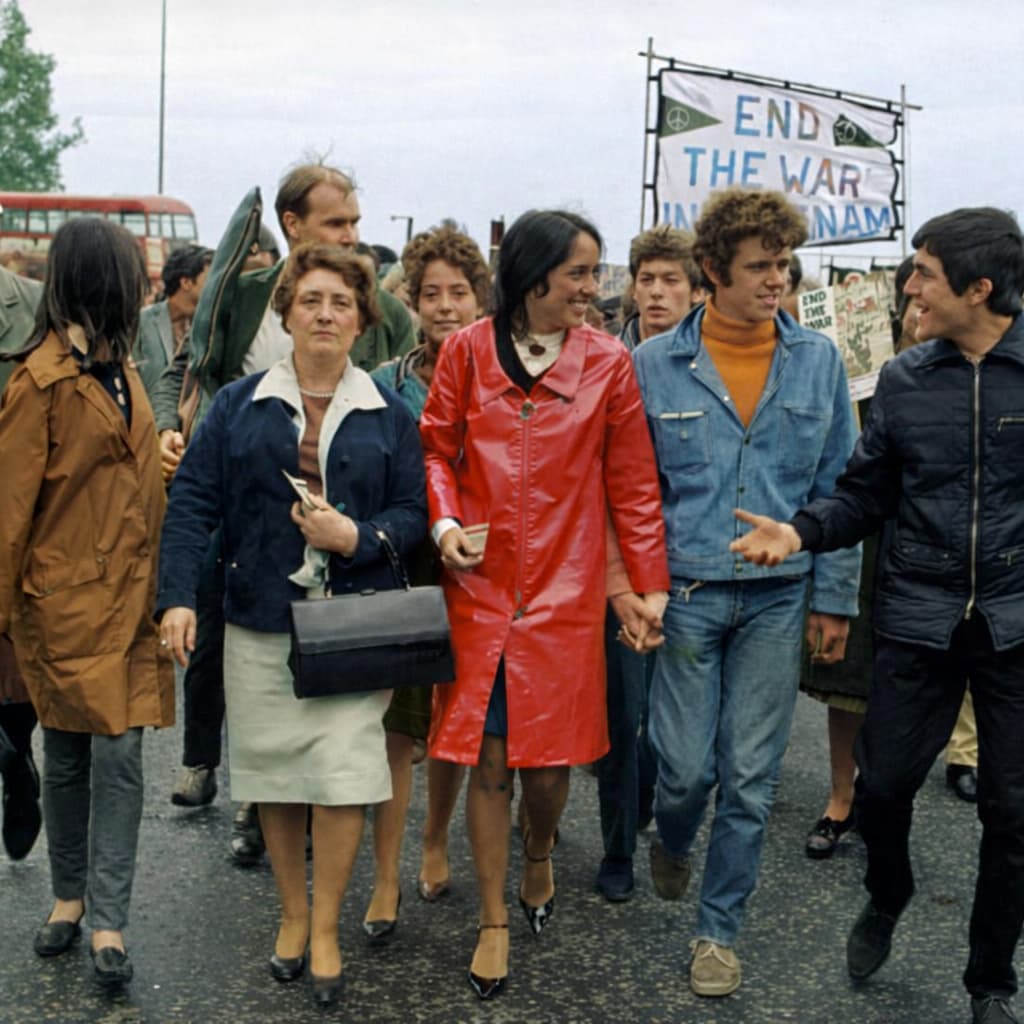
When later interpreted by Joan Baez with guest accompaniment from Donovan, the song took on a different shade entirely. Their version, recorded for Baez’s 1988 live album Diamonds & Rust in the Bullring, does not aim to replicate the theatrical grandeur of the original musical context. Instead, it strips the composition down to its emotional core: a voice speaking not from a balcony in Buenos Aires, but from somewhere quieter, more reflective, and deeply personal. Unlike the chart-topping success of the original release, this interpretation did not enter mainstream singles charts, but its artistic value lies elsewhere—in its restraint, its maturity, and its sense of lived-in understanding.
At its heart, “Don’t Cry for Me Argentina” is not simply a song about political power or historical figures. It is about perception—how leaders are seen, how they are judged, and how they attempt to reconcile public image with private truth. In the musical Evita, the character Eva Perón addresses the people of Argentina from the balcony of the Casa Rosada, asking them not to mourn her ascent or question her intentions. The phrase “don’t cry for me” becomes both reassurance and defense, a carefully constructed emotional barrier between the self and the crowd.
In the hands of Joan Baez, however, that barrier feels more fragile. Her voice, known for its clarity and moral intensity, carries a sense of hindsight. There is less performance and more reflection—less declaration and more quiet questioning. The presence of Donovan alongside her adds another layer of texture, as if two wandering voices from the folk tradition are momentarily stepping into the grand, operatic world of Webber and Rice, only to reinterpret it through the language of acoustic simplicity and emotional honesty.
What makes this version particularly compelling is how it shifts the song’s emotional geography. The original stage version is expansive, designed for spectacle and national symbolism. But Baez and Donovan bring it closer, almost as if sitting in a dimly lit room rather than standing before a vast crowd. The meaning subtly changes: instead of a leader addressing a nation, it feels like an individual confronting memory itself.
Lyrically, the song remains unchanged, yet its interpretation transforms everything. Lines that once sounded like political reassurance begin to feel like personal negotiation. The plea not to be mourned becomes more intimate—less about Argentina, more about the universal human desire to be understood correctly, even after departure or transformation.
Decades after its creation, “Don’t Cry for Me Argentina” continues to resonate because it refuses to settle into a single definition. It is political yet personal, grand yet fragile, iconic yet endlessly reinterpreted. Through Julie Covington’s original chart-topping performance and later reinterpretations like that of Joan Baez & Donovan, the song demonstrates how a composition can evolve beyond its theatrical origins into something more reflective of the listener’s own life experience.
In the end, what lingers is not just the melody, but the emotional contradiction at its core: the desire to be seen, and the equally powerful desire to remain misunderstood just enough to stay human.
 Oldies Songs