
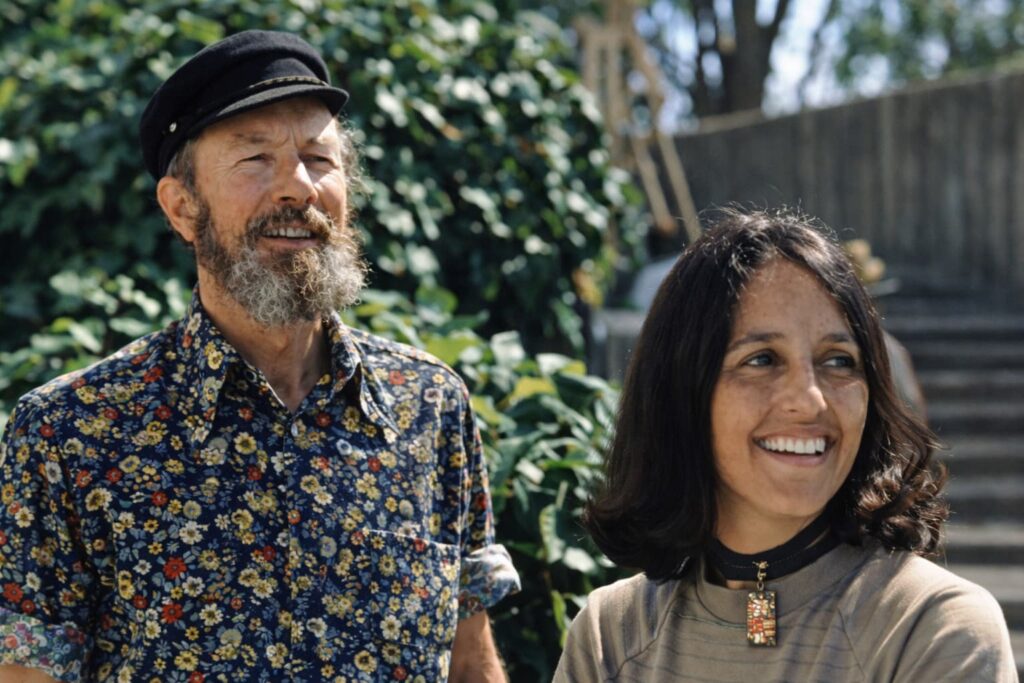
A Song That Carried a Nation’s Conscience—“We Shall Overcome” as the Voice of Hope and Quiet Defiance
Few songs in modern history have traveled so far, or carried such a burden of hope, as “We Shall Overcome.” Immortalized in its most powerful form during the 1963 March on Washington for Jobs and Freedom, the performance led by Joan Baez, alongside voices like Pete Seeger, was not merely music—it was a collective heartbeat. Unlike commercial releases that climb the charts, this version did not enter the Billboard Hot 100 in the traditional sense. Yet its impact eclipsed any numerical ranking. It became, in every meaningful way, the most important “number one” song in the moral consciousness of a generation.
The roots of “We Shall Overcome” stretch back long before 1963. Its lineage can be traced to early 20th-century gospel hymns, particularly “I’ll Overcome Someday” by Reverend Charles Albert Tindley. Over time, it was reshaped through labor movements in the 1940s, then refined and popularized by folk artists like Pete Seeger, who adjusted its phrasing—most notably changing “will” to “shall,” lending the song a more solemn, almost biblical certainty. By the early 1960s, it had already become a quiet anthem within the Civil Rights Movement.
But it was on August 28, 1963, standing before the Lincoln Memorial, that the song found its most enduring voice. As hundreds of thousands gathered, moments before Martin Luther King Jr. delivered his historic “I Have a Dream” speech, Joan Baez stepped forward. Her voice—clear, unwavering, almost fragile in its purity—rose above the crowd. There was no need for orchestration or embellishment. The simplicity was the strength. Each word, each pause, carried the weight of centuries of struggle and the fragile promise of change.
What makes “We Shall Overcome” so enduring is not its melody, which is deceptively simple, nor its lyrics, which are almost childlike in repetition. It is the space it creates—for reflection, for unity, for shared resilience. The phrase “we shall overcome” is not shouted in anger, but offered with quiet conviction. It speaks not of immediate victory, but of patient endurance. That distinction is everything.
In the hands of Baez and Seeger, the song became a bridge between generations, between the deeply rooted traditions of American folk and the urgent demands of the present. It invited participation rather than admiration; it was meant to be sung together, not merely listened to. And in that shared act of singing, barriers—racial, social, emotional—began to dissolve, if only for a moment.
There is also something profoundly spiritual in its delivery. Though not overtly religious, the song carries the cadence of a hymn. It suggests faith—not necessarily in a higher power, but in humanity itself. That belief, fragile as it may be, is what allowed it to resonate so deeply during a time of profound division.
Looking back, one might say that “We Shall Overcome” was less a song and more a promise whispered into the uncertain future. It has since been sung in countless movements across the world—translated into many languages, adapted to new struggles—but its essence remains unchanged. Each time it is sung, it carries with it echoes of that August day in Washington, when voices rose not in harmony alone, but in shared purpose.
And perhaps that is its greatest legacy. Not fame, not chart success, but endurance. A song that does not belong to any one artist, yet was given unforgettable life by Joan Baez, Pete Seeger, and the many unnamed voices who stood shoulder to shoulder, believing—if only for a moment—that change was not just possible, but inevitable.
 Oldies Songs