
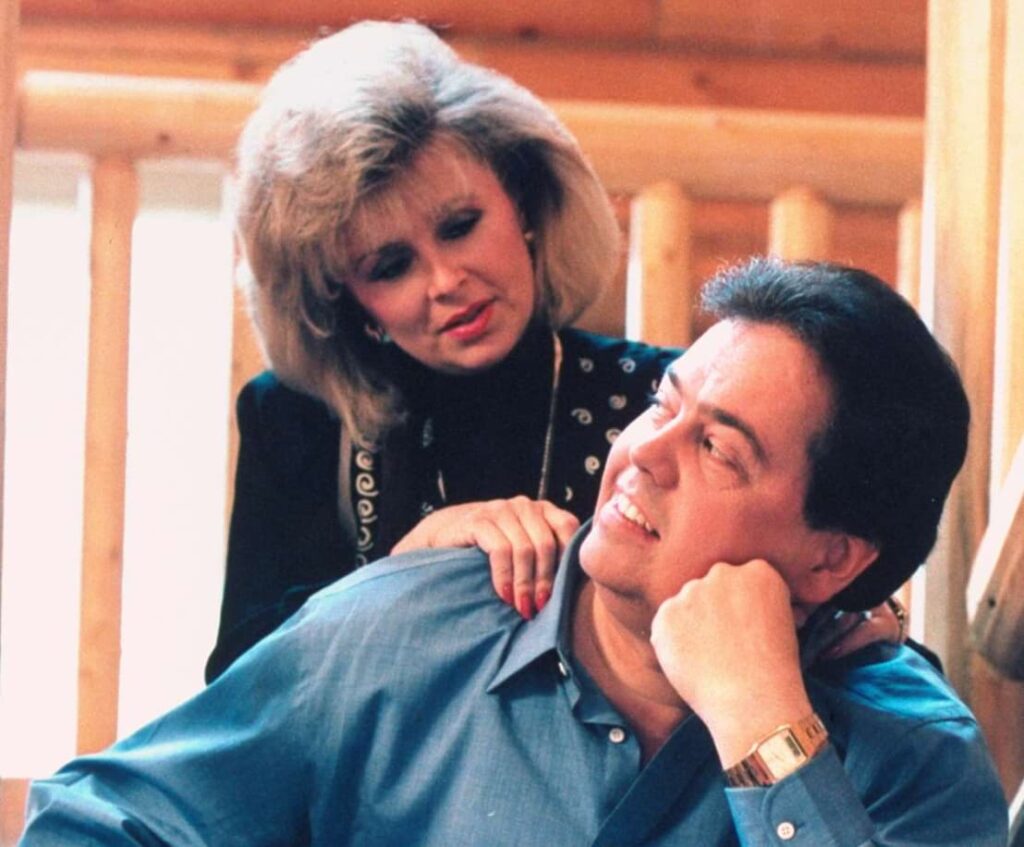
A Life of Strength, Faith, and Enduring Love: The Final Chapter of Alan Osmond
The video tells a deeply moving story about the final days and lifelong legacy of Alan Osmond, a man whose journey extended far beyond music. Best known as the eldest brother of the Osmond family, Alan’s passing on April 20, 2026, at the age of 76 marked not just the loss of an artist, but the closing of a remarkable chapter defined by resilience, devotion, and purpose.
In his final moments at home in Lehi, Utah, Alan was surrounded by the people who mattered most—his wife Suzanne and their eight sons. After a brief period of intensive care due to complications from multiple sclerosis (MS), the family made the heartfelt decision to bring him home, allowing him to spend his last hours in peace. This quiet, intimate setting reflected the values he upheld throughout his life: family, faith, and dignity.
Alan’s battle with MS spanned four decades, beginning in the 1980s and officially diagnosed in 1987. The disease gradually took a toll on his physical abilities, eventually requiring him to use a wheelchair. Yet, what stands out most is not the illness itself, but how he chose to confront it. His powerful motto—“I may have MS, but MS does not have me”—became a source of inspiration for countless individuals facing similar struggles. Rather than surrendering to the disease, he transformed his condition into a platform for hope and encouragement.
Beyond his health challenges, the video highlights a love story that endured for over 50 years. Alan and Suzanne met as students and married in 1974, building a life grounded in shared values and unwavering support. Suzanne remained by his side as both partner and caregiver, embodying a bond that only deepened through hardship. Their relationship stands as a testament to commitment, showing that love can not only survive adversity but grow stronger because of it.
Professionally, Alan Osmond was far more than a performer. As a founding member of the Osmond Brothers, he played a crucial role in shaping the group’s musical direction, contributing as a musician, producer, and creative strategist. From chart-topping hits like “One Bad Apple” to major television appearances, his influence helped propel the group to international success, with over 100 million records sold. Even after his diagnosis, Alan continued to write music and support the careers of his siblings, demonstrating a relentless creative spirit.
His impact also extended into humanitarian efforts. As a co-founder of the Children’s Miracle Network, Alan used his platform to raise funds for pediatric healthcare, turning personal success into meaningful social contribution. His advocacy for MS awareness further cemented his legacy as someone who used adversity to uplift others.
In the end, the video paints a portrait of a man who lived with intention. Alan Osmond’s story is not defined by his illness or even his fame, but by the way he chose to live—with courage, faith, and an enduring commitment to those he loved. His legacy remains not only in music, but in the lives he touched and the strength he inspired.