
A Weathered Soul’s Hymn of Humility, Survival, and Quiet Redemption
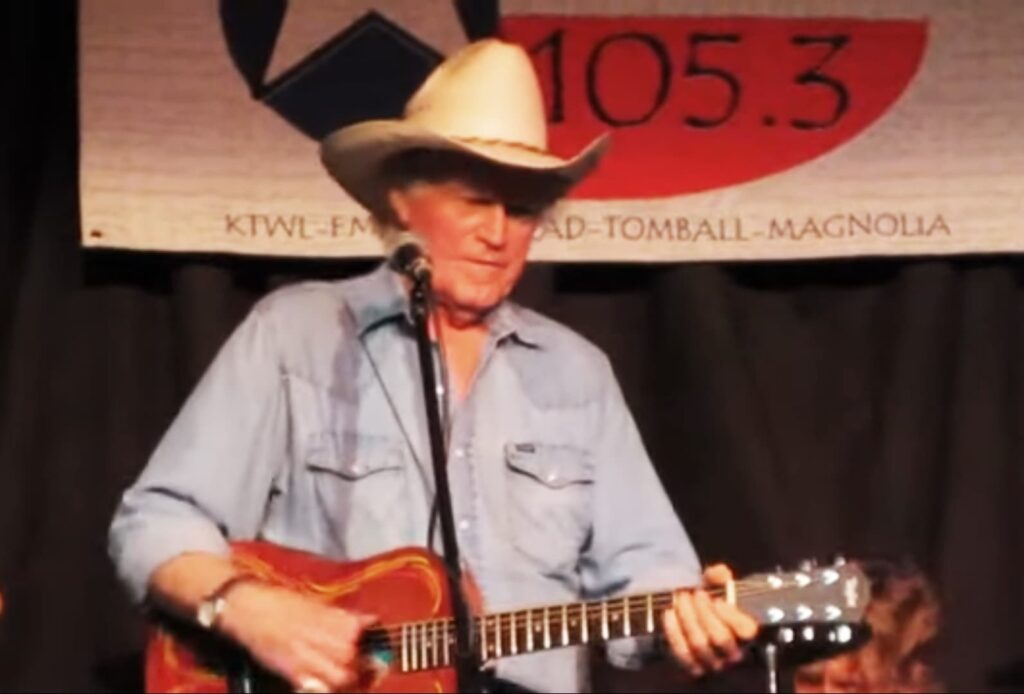
In April 2007, at a small, intimate venue in Texas, Billy Joe Shaver stood before his audience at Main Street Crossing and delivered “Tramp on Your Street” not as a performance, but as a testimony. Written years earlier and long associated with Shaver’s deeply personal catalog, the song had already been recorded by Waylon Jennings on the 1973 landmark album Honky Tonk Heroes, yet in this 2007 appearance, it felt stripped down to its purest emotional core.
Before he even began to sing, Shaver spoke candidly about his physical struggles, the injuries, the long absence, the simple difficulty of standing there again. That brief introduction changed everything. It reframed the song not as fiction, but as lived experience. When he stepped into the opening lines, you could hear the miles in his voice. Barefoot imagery, walking along railroad tracks, the body worn but the spirit still free. These were not just lyrics. They were fragments of a life that had been tested and, somehow, endured.
What gives “Tramp on Your Street” its lasting power is its quiet philosophy. There is no bitterness here, no grand declaration of defiance. Instead, Shaver offers something rarer in outlaw country: acceptance. He sings of surrendering pride, of letting go of the need to win or lose, of living one day at a time. For an older listener, especially one who has weathered their own share of storms, these lines do not feel poetic. They feel true.
The performance itself is unadorned. A voice, slightly frail yet unwavering. A guitar that follows rather than leads. And in that simplicity, every word carries weight. When he reaches the refrain, calling himself a “tramp on your street,” there is no shame in it. Only humility. Only the recognition of one’s place in a larger, often unforgiving world.
By the final moments, as the applause gently rises, there is a quiet understanding in the room. This was not about perfection. It was about presence. About a man who had been knocked down more than once, standing there anyway, still singing.
And perhaps that is what lingers most. Not the melody, not even the words, but the feeling that sometimes, just continuing on is its own kind of grace.
 Oldies Songs
  Oldies Songs